
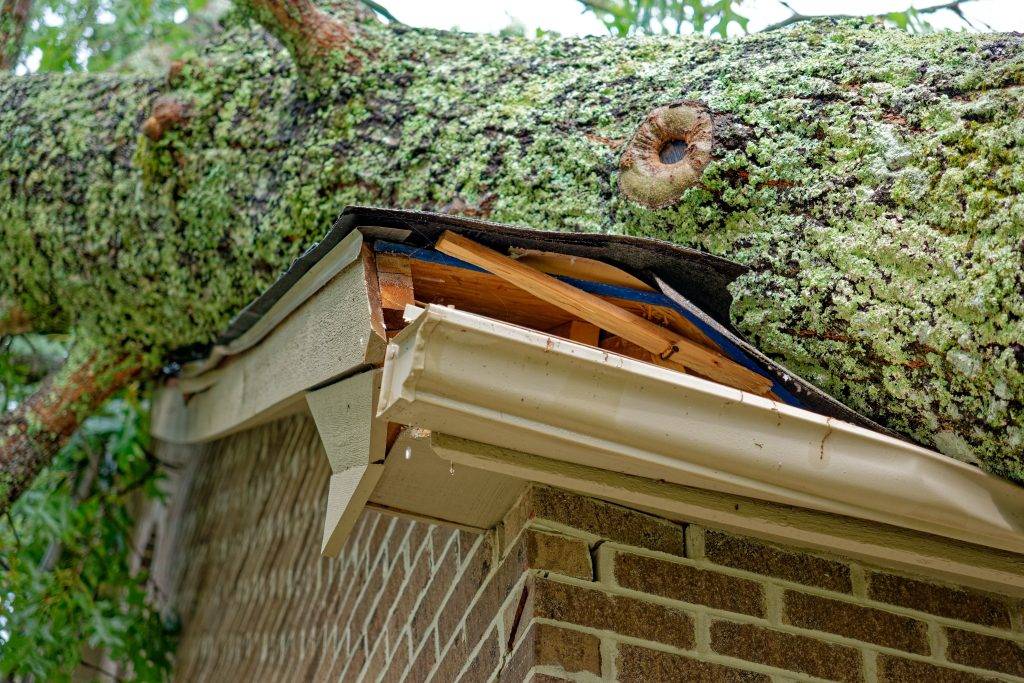
When a strong storm rolls through and you suddenly hear a loud crash outside, it can be a scary and overwhelming moment—especially if you discover that a tree has fallen directly onto your home. Beyond the immediate damage, many homeowners are left asking the same important question: Will my insurance cover this?
Filing a tree falling on house insurance claim can feel confusing at first, particularly when you’re dealing with roof damage, broken windows, or even structural concerns. The good news is that in many situations, homeowners insurance does provide protection for these unexpected events. Understanding your tree damage insurance coverage is the first step toward getting the support you need to repair your home and move forward.
Does Homeowners Insurance Cover Tree Damage?
In many cases, yes—homeowners insurance does cover tree damage, especially when the incident happens suddenly and unexpectedly. If you’re dealing with a fallen tree after a storm, understanding what your policy includes can make the tree falling on house insurance claim process much less stressful.
Most standard homeowners insurance policies provide coverage for damage caused by falling objects, including trees, as long as the event was accidental and not something that could have been prevented through routine maintenance.
That said, coverage can depend on why the tree fell, where it landed, and what parts of your property were affected. Let’s break it down clearly.
When Tree Damage Is Covered
Homeowners insurance typically covers tree damage when it results from sudden, unavoidable events. These are often considered “covered perils” in your policy.
Here are the most common situations where your claim is likely to be approved:
- Storms and High Winds
Strong wind gusts can cause house damage, and during severe weather, can easily knock over large trees or break heavy branches. If a storm causes a tree to crash into your home, this is usually covered under your policy.
- Lightning Strikes
Lightning can split a tree or weaken it instantly, causing it to fall onto a roof or structure. In these cases, coverage is commonly included.
- Unexpected Accidents
If a healthy tree suddenly falls due to an unforeseen event, homeowners insurance generally recognizes this as accidental damage.
In these situations, your policy may help pay for repairs to your roof, siding, gutters, or even interior damage caused by the impact. This is where having a clear understanding of your tree damage insurance coverage becomes especially important.
If the incident occurred during a major weather event, it may also be connected to a storm damage insurance claim, which could involve additional documentation or timelines depending on the severity of the storm.
When Tree Damage May Not Be Covered
While many homeowners are relieved to learn that coverage often applies, there are certain circumstances where insurance may not cover the damage.
Here are some common examples:
- Neglect or Poor Maintenance
If a tree was clearly dead, rotting, or leaning dangerously for a long time, the insurance company may determine that the damage could have been prevented, and can be a denied insurance claim.
- Rotting or Diseased Trees
If the tree fell due to decay rather than a sudden storm, the claim may be denied because it wasn’t considered an unexpected event.
- Lack of Property Upkeep
Homeowners are generally expected to maintain their property. Ignoring visible risks can impact whether a tree falling on house insurance claim is approved.
That’s why it’s helpful to act quickly after the incident and gather strong documentation to show that the fall was sudden and accidental.
How to File a Tree Falling on House Insurance Claim
After a tree falls on your home, it’s completely normal to feel overwhelmed. Between the shock of the damage and the urgency of repairs, you may not know where to start.
The key is to take the right steps early on so your tree falling on house insurance claim goes as smoothly as possible. The process doesn’t have to be complicated—especially when you approach it one step at a time.
Here’s what homeowners should do first.
Step 1 — Document the Damage Immediately
Before anything is moved or cleaned up, start by documenting everything.
This is one of the most important steps in any tree falling on house insurance claim, because photos and written records help show the full scope of what happened.
Be sure to:
- Take clear photos of the tree on the house from multiple angles
- Capture damage to the roof, siding, windows, gutters, or interior ceilings
- Record the date and time of the incident if possible
- Save any storm reports or weather alerts that may support a storm damage insurance claim
Even if repairs need to happen quickly, having solid documentation up front can make the entire claims process easier.
Step 2 — Contact Your Insurance Provider
Once the damage is documented and everyone is safe, the next step is to contact your insurance provider to report the loss.
Most insurance companies have dedicated claims departments and are prepared to guide homeowners through the next steps. They can explain what your policy covers and what information they need to begin reviewing your tree damage insurance coverage.
When you call, be ready to provide:
- Your policy number
- A description of the damage
- Photos or videos if requested
- Details about the storm or event that caused the tree to fall
It’s always a good idea to ask questions and take notes during the conversation so you feel confident about what comes next.
Step 3 — Prevent Further Damage (Temporary Repairs)
After the claim is opened, homeowners are typically expected to prevent additional damage to the property.
That doesn’t mean making major repairs right away—but it does mean taking reasonable temporary steps such as:
- Placing a tarp over a damaged roof
- Boarding up broken windows
- Removing small debris if it’s safe
- Turning off water if pipes were impacted
These temporary measures help protect your home while the insurance process moves forward and may also support your tree falling on house insurance claim by showing you acted responsibly.
Just be sure to keep receipts for any materials or emergency services, since these costs may be reimbursable depending on your policy.
Step 4 — Schedule the Adjuster Inspection
After you file the claim, the insurance company will typically schedule an inspection with an adjuster.
The adjuster’s role is to evaluate:
- The extent of the damage
- The cause of the tree fall
- What repairs may be needed
- How your tree damage insurance coverage applies
This inspection is an important part of the claim timeline, especially when the damage is connected to a broader storm damage insurance claim.
During the inspection:
- Be present if possible
- Share any documentation you collected
- Point out all areas of damage, including interior issues
- Ask questions if anything is unclear
Having support during this stage can be extremely helpful, especially if you want to ensure nothing is overlooked.
Common Mistakes That Can Delay or Reduce Your Claim
Filing a tree falling on house insurance claim is already stressful enough—you don’t want extra delays or complications on top of the damage itself.
While the claims process is usually straightforward, there are a few common missteps that can create setbacks. Being aware of these ahead of time can help you protect your home, your timeline, and your reimbursement.
Here are some of the most frequent mistakes homeowners should avoid:
Waiting Too Long
One of the biggest issues is simply waiting too long to take action.
If a tree falls on your home, it’s important to report the damage promptly. Delaying the claim could lead to:
- Worsening structural issues
- Additional water intrusion
- Questions about when the damage occurred
Even if you’re still sorting things out, starting your tree falling on house insurance claim early helps ensure the process stays on track.
Not Taking Photos
It’s easy to underestimate how important photos are until it’s too late.
Without clear documentation, it can be harder to show the full extent of the damage—especially if cleanup or repairs begin quickly.
Always photograph:
- The fallen tree and impact point
- Roof and exterior damage
- Interior leaks or cracks
- Any storm-related debris nearby
Good evidence supports both your claim and your overall tree damage insurance coverage.
Throwing Away Evidence
Many homeowners want to clean up immediately, which is completely understandable. But throwing away key debris too soon can create problems.
If possible:
- Wait until after the adjuster inspection
- Keep damaged materials (like shingles or broken sections) until documented
- Don’t remove everything unless it’s unsafe
This is especially important if the incident is tied to a larger storm damage insurance claim, where cause and timing matter.
Hiring Unlicensed Contractors
After a major storm, it’s common for contractors to appear quickly offering fast repairs. Unfortunately, not all of them are licensed or reputable.
Hiring an unlicensed contractor can lead to:
- Poor-quality work
- Higher costs
- Insurance reimbursement issues
- Scams or incomplete repairs
Always verify credentials before agreeing to major work. Temporary emergency repairs are fine, but long-term repairs should be handled professionally.
Avoiding these mistakes can help your tree falling on house insurance claim move forward more efficiently and reduce unnecessary stress during an already difficult time.
How Long Does a Tree Damage Insurance Claim Take?
One of the first questions homeowners ask after filing a claim is: How long will this take?
The truth is, the timeline for a tree falling on house insurance claim can vary depending on the severity of the damage, the size of the storm, and how quickly repairs can begin.
That said, here’s a general estimate of what most homeowners can expect:
- Initial claim filing: Within 24–72 hours after the incident
- Adjuster inspection: Usually scheduled within 3–10 business days
- Damage evaluation and estimate: Often completed within 1–3 weeks
- Payment processing and repair timeline: May take several weeks to a few months, depending on complexity
For minor tree damage, the claim may be resolved fairly quickly. However, if the tree caused major structural issues or the event is part of a widespread storm damage insurance claim, the process can take longer simply because many homeowners may be filing claims at the same time.
Pennsylvania Claim Timing Considerations
In Pennsylvania, insurance companies are generally expected to handle claims in a timely and fair manner. While exact timelines depend on the situation, state regulations require insurers to respond and investigate claims promptly.
Still, delays can happen—especially after major storms, when claim volume increases and contractors are in high demand.
That’s why it’s helpful to stay organized, keep records of communication, and make sure your tree damage insurance coverage is being fully considered during the evaluation.
When to Seek Help From a Licensed Public Adjuster
If you ever feel unsure about the process, have unanswered questions, or believe the damage may be more extensive than it appears, it may be worth speaking with a licensed public adjuster.
A public adjuster works on behalf of the homeowner to help:
- Clarify coverage details
- Document all storm- and tree-related damage
- Support the claim with proper estimates
- Ensure nothing important is overlooked
For many homeowners, having professional guidance can bring peace of mind during a stressful situation involving a tree falling on house insurance claim.
Need Help After Storm or Tree Damage? Contact a Local Professional
Dealing with a fallen tree can be overwhelming, especially when you’re trying to protect your home, understand your policy, and move forward with repairs. Whether the damage was caused by high winds, lightning, or another severe weather event, filing a tree falling on house insurance claim doesn’t have to be something you handle alone.
Tree-related property damage is often tied to larger storm events, and navigating a storm damage insurance claim can become complicated quickly—especially when multiple areas of your home are affected. Having the right support can make all the difference in ensuring your tree damage insurance coverage is properly understood and that no part of the damage is missed.
At Alliance Adjustment Group, we work with homeowners across Pennsylvania and New Jersey, helping them through the insurance claims process after unexpected events like fallen trees, roof damage, and severe storms.
If you have questions, concerns, or simply want professional guidance with your tree falling on house insurance claim, our team is here to help.
Contact Alliance Adjustment Group Today
Alliance Adjustment Group
435 N Main St, Doylestown, PA 18901
Call Us:
267-880-3000 (local)
888-890-2288 (toll free)
Don’t wait until damage becomes worse or deadlines approach. Reach out today to speak with a trusted local professional who can help you take the next step with confidence.
Disclaimer:
The information provided on this website is for general informational purposes only and does not constitute legal advice. While we strive to provide accurate and up-to-date information, insurance policies and regulations can vary. It is important to consult with your specific insurance provider or a qualified professional for advice tailored to your individual circumstances.