Storm Damage Claim Adjuster in Eureka, PA
When a storm moves through Eureka, the aftermath can leave homeowners and business owners with more questions than answers about what’s covered, what to document, and what happens next. At Alliance Adjustment Group, we work with property owners in Eureka and throughout Warrington Township to assess storm-related damage and prepare accurate claims, from the day the storm passes through to the day your claim is resolved.
Why Having a Storm Damage Claim Adjuster Matters in Eureka
Eureka sits in Warrington Township, an area of Bucks County that experiences Pennsylvania’s typical storm cycle, with severe thunderstorms clustering in the spring and summer months and often bringing straight-line winds, hail, and lightning with little advance warning. These systems can move through quickly, but it’s usually the wind gusts and hail cores embedded in them, more than the rain itself, that cause the most property damage.
Properties in this part of the township have a mix of older and newer roofing materials, siding types, and mature tree cover, so storm impact can vary quite a bit from one property to the next, even within the same storm event. We don’t rely on assumed statistics for any individual claim — every assessment starts with what actually happened at your property.
What Counts as Storm Damage
Not all storm-related damage is treated the same way by insurers, and understanding the distinctions can help you know what to look for.
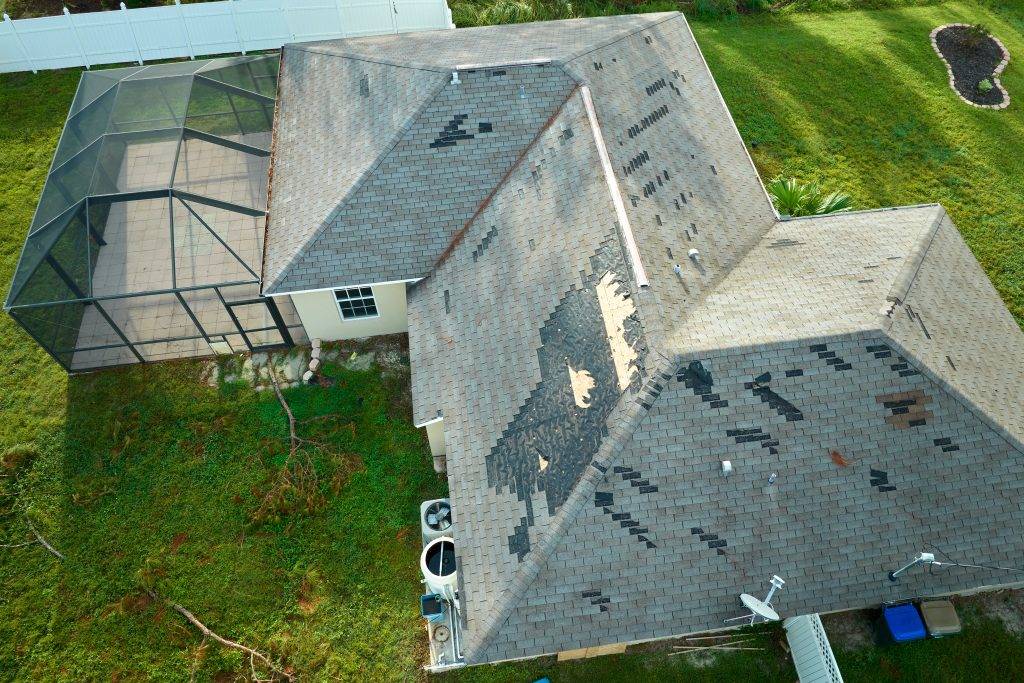
- Wind damage typically includes torn or lifted shingles, damaged siding, downed fencing, and displaced gutters. Insurers usually evaluate wind damage against a documented wind speed for the area or visible physical evidence of force.
- Hail damage is assessed differently. Insurers look for impact marks, bruising, or granule loss on roofing material, dents in siding or gutters, and cracked or pitted surfaces. Cosmetic hail marks and functional hail damage — meaning damage that affects a roof’s ability to keep water out — are often evaluated separately.
- Lightning damage can be direct, such as a strike that causes fire or structural damage, or indirect, such as a power surge that damages electrical systems or appliances. Insurers generally treat lightning as a covered peril, though the cause of the resulting damage still needs to be established.
Knowing which category your damage falls into is often the first step in understanding how a claim will be handled.
Documenting Storm Damage Before You File
Good documentation early on tends to make the rest of the claims process more straightforward. A few things worth doing as soon as it’s safe to do so:
- Photograph the damage immediately after the storm, before any temporary repairs or cleanup. Wide shots of the property alongside close-ups of specific damage give the clearest picture.
- Keep a record of the weather event itself. Local weather service reports, National Weather Service storm data, or even local news coverage can help establish when the storm occurred and what conditions were present.
- Have a contractor assess whether the damage is structural or cosmetic. A roofer or contractor familiar with storm damage can help distinguish damage that affects the function of a roof or structure from damage that’s visual only — a distinction that often comes up during a claim.
We’re glad to walk through this documentation process with you if a storm has recently affected your property.
Why Storm Claims Are Sometimes Underpaid or Delayed
Storm claims can take longer or come back lower than expected for a few common reasons that aren’t necessarily anyone’s fault. After a widespread regional storm, insurers can receive a high volume of claims at once, which can slow down inspection scheduling and claim processing. It’s also common for there to be a genuine difference of opinion about whether certain damage is cosmetic or functional — for example, whether hail marks on a roof are only a surface issue or whether they compromise the roofing material underneath. These kinds of disputes are a normal part of the claims process for storm damage specifically, and clear documentation from early on tends to make them easier to work through.
Talk to Us About Your Storm Damage Claim
If a recent storm has affected your property in Eureka, we’re happy to talk through what you’re seeing and help you understand your options for documenting and filing a claim.
Call us at (267) 880-3000
435 N Main St, Doylestown, PA 18901. See driving directions.
Serving Eureka and Neighboring Communities
Our team doesn’t stop at city lines. While we’re your trusted storm damage claim adjuster in Eureka, our service area spans across several key communities in Montgomery County. That means we’re ready to help even if your home or property is in a nearby town. We offer specialized support in areas including:
If your property is in or around Eureka, we’ve likely helped your neighbor — and we’re ready to help you, too.
Frequently Asked Questions
How soon after a storm should I file a claim?
Most policies require notice of a loss within a reasonable time after the damage occurs, so it’s generally a good idea to file as soon as you’ve documented the damage. Waiting too long can make it harder to establish that the damage is storm-related.
Does wind damage to a fence or shed get covered the same way as roof damage?
Coverage depends on your specific policy, including any limits or exclusions for detached structures. Fences and sheds are often covered under a different section of a homeowners policy than the main dwelling, sometimes with lower coverage limits than the home itself.
What if my neighbor's tree damaged my property during the storm?
In most cases, your own homeowners policy covers damage to your property regardless of where the tree came from, since storm-related tree falls are typically treated as an act of nature rather than a liability issue. Your insurer may still ask for details about the source of the tree for their records.
What's the difference between cosmetic and functional hail damage?
Cosmetic hail damage affects the appearance of a roof or siding without compromising its ability to protect the structure. Functional damage affects performance, such as a roof that no longer sheds water properly. Insurers often evaluate these differently, and this distinction is one of the more common points of discussion in a hail claim.
Do I need a contractor's estimate before contacting an adjuster?
It’s not required, but a contractor’s assessment can be a helpful piece of documentation alongside our own inspection. If you already have one, bring it along. If not, we can help you understand what to look for before one is scheduled.