
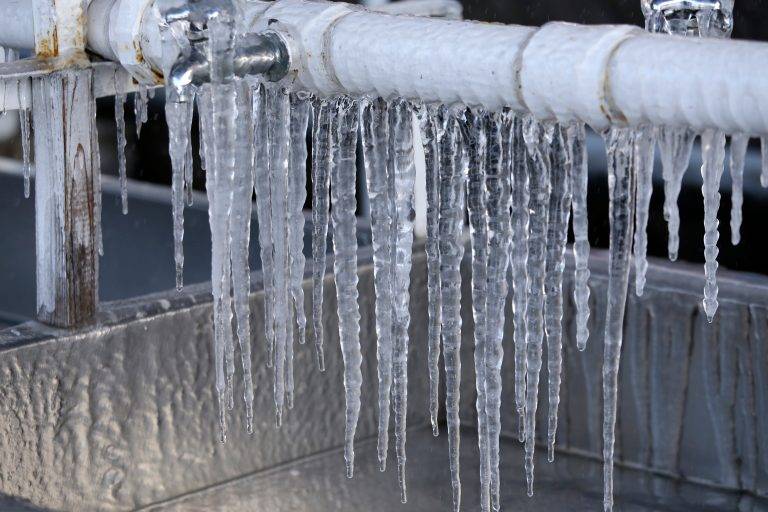
A frozen pipe can go from silent to spraying water in seconds, usually on the coldest night of the year and often inside a wall or ceiling. If you’re standing in that water right now, two things matter most: stopping the damage, and understanding how your insurer is likely to look at what happened.
That second part comes down to one distinction. Most homeowners policies cover sudden and accidental water damage, like a pipe that freezes and bursts. Many policies limit or exclude gradual damage, like a slow leak that dripped for weeks or seepage that caused rot over time. Whether your sudden pipe rupture claim reads as “sudden” or “gradual” is often the single biggest factor in how it’s handled.
What to Do Immediately After a Frozen Pipe Ruptures
When water is spreading, it’s hard to think clearly. Work through these steps in order. Each one limits damage, and each one also creates a record that you acted quickly, which matters later.
Shut Off the Water
Find your main water shut-off valve and turn it off. In many Pennsylvania homes it sits in the basement where the water line enters, near the meter. If the rupture is on a line to a single fixture, a local valve under the sink or behind the toilet may work, but during a major burst the main valve is the safer choice.
If you can’t find or turn the valve, call your water utility’s emergency line. Note the time the water was shut off.
Make the Area Safe
Water and electricity don’t mix. If water has reached outlets, light fixtures, or your electrical panel, stay out of the area and shut off power to that section only if you can reach the breaker safely. Otherwise, call an electrician.
Watch for ceilings that sag or bulge. Trapped water is heavy, and a saturated ceiling can come down without warning. Keep people and pets clear.
Photograph Before You Clean Up
Before you move anything, take a quick round of photos and video of the burst pipe, the water, and every affected room. This takes two or three minutes and captures damage that cleanup will erase. We cover a full checklist below.
Prevent Further Damage
Once you have photos, start limiting the damage:
- Move furniture, rugs, and valuables out of the wet area
- Remove standing water with towels, buckets, or a wet/dry vacuum
- Open cabinet doors and run fans or dehumidifiers if it’s safe
- Keep damaged materials you remove, or photograph them before disposal
Most policies expect you to take reasonable steps to protect the property after a loss. For anything beyond a small cleanup, a professional water mitigation company can dry the structure properly and reduce the risk of mold. Keep every invoice.
Report the Loss Promptly
Once the emergency is under control, notify your insurance company. Policies typically require prompt notice, and early reporting keeps the timeline clean and helps repairs start sooner. Write down your claim number, the date you called, and the name of anyone you spoke with.
Filing a frozen pipe insurance claim involves more than this first call, from the insurer’s inspection to repair estimates, so it helps to know what comes next.
Does Homeowners Insurance Cover Frozen Pipe Damage?
Often, yes. Many standard homeowners policies cover water damage caused by the sudden and accidental discharge of water from a plumbing system, and a pipe that freezes and bursts is a common example. Your own policy language is what decides it, so it’s worth reading the water damage and exclusions sections closely.
Insurers typically look at four questions when reviewing frozen pipe damage:
- Was the rupture sudden and accidental? A burst during a cold snap usually is.
- Was the home reasonably heated or winterized? Many policies exclude freeze damage in a vacant or unoccupied home unless heat was maintained or the water was shut off and the lines drained.
- Were reasonable steps taken to limit further damage? Shutting off the water and starting dry-out counts here.
- Was the loss reported promptly?
None of these are traps. They’re the standard questions an adjuster uses to place the loss within the policy, and clear documentation answers most of them for you.
What to Document for a Sudden Pipe Rupture Claim
Good documentation does two jobs. It shows the full scope of what was damaged, and it shows the rupture was sudden rather than gradual. Once drywall comes down and floors come up, much of that evidence is gone, so capture it early.
Burst Pipe Documentation Checklist
- Photos of the pipe itself, close up, showing the split or crack. Ice-related splits often look different from corrosion or wear.
- Wide photos and video of every affected room, including ceilings, walls, floors, and standing water.
- Damaged belongings, photographed in place before you move or discard them.
- The removed pipe section. Ask your plumber to save it and label it with the date.
- A written plumber’s report stating the cause, such as freezing, and the location of the failure.
- Mitigation records: the drying company’s moisture readings, photos, and invoices.
- Receipts for emergency repairs, equipment rentals, cleanup supplies, and any temporary housing.
- Weather evidence for the date, such as a screenshot of local overnight lows.
- Proof the home was heated, such as a thermostat setting photo or a recent utility bill.
Write Down a Timeline
A simple timeline helps show the loss happened suddenly. Note when you first saw water, when you shut it off, when the plumber and mitigation crew arrived, and when you reported the claim. A few lines in your phone’s notes app is enough.
When you’re ready to list damaged contents room by room, a water damage insurance claim list keeps the inventory organized.
Getting Help With Documentation
Winter water losses often reach areas that are hard to assess without experience, like insulation inside walls or damage under finished flooring. A public adjuster can help make sure the documentation reflects the full scope of the loss, so items aren’t missed in the estimate.
Cracked Pipe Insurance Claim: Does It Count as Sudden Damage?
A pipe doesn’t have to burst wide open to qualify. A cracked pipe insurance claim can still be treated as a sudden and accidental loss when the crack formed quickly, which is common with freezing. Ice expands inside the pipe, a small fracture opens, and the leak often starts in earnest once the pipe thaws.
The question an insurer asks isn’t how dramatic the failure looks. It’s when and how the damage happened.
Sudden Damage vs. Gradual Leaks
Sudden and accidental | Gradual | |
Typical cause | Freezing, pressure surge, abrupt fitting failure | Corrosion, worn seals, slow drip |
Timeline | Minutes to hours | Weeks or months |
Signs | Fresh water, a clean split or crack | Staining, rot, mold, warped subfloor |
How policies often treat it | Commonly covered | Often limited or excluded |
Many policies exclude “continuous or repeated seepage or leakage” over an extended period, often 14 days or more. That’s why the evidence matters so much. Fresh, clean damage and a plumber’s note confirming freezing point toward a sudden event. Old staining or rot in the same area can raise questions, even if the recent burst was clearly sudden.
When the Line Isn’t Clear
Some losses have both: a pipe that froze and split, next to an older slow drip. In those cases, it helps to separate the sudden damage from any pre-existing wear clearly, with photos and a plumber’s written opinion. At Alliance Adjustment Group, we help homeowners present these mixed situations accurately so the sudden portion of the loss is fully documented.
When to Call a Local Public Adjuster for a Sudden Pipe Rupture Claim
Many frozen pipe claims are straightforward, and plenty of homeowners handle them directly with their insurer. Others grow complicated once the walls are open. A licensed public adjuster works for you, the policyholder, and can help when:
- Water damage from a burst pipe reaches several rooms or more than one floor
- You’re unsure how your policy treats the pipe, the tear-out, or the water damage
- There’s a question about whether the damage was sudden or gradual
- The repair estimates don’t seem to cover everything you’re seeing
- Managing contractors, receipts, and adjuster visits is more than you have time for
Our role is to review your policy, document the full scope of the loss, prepare a detailed estimate, and communicate with your insurance company on your behalf. We work alongside the insurer’s adjuster to make sure the claim is complete and clearly presented. Every claim is different, and we can’t predict a specific outcome, but we can make sure nothing is overlooked.
If you’re in the Warrington area, we’ve also written about working with a public adjuster for pipe break insurance in more local detail.
Frequently Asked Questions
What’s the difference between “sudden” and “gradual” pipe damage for insurance purposes?
Sudden damage happens abruptly and unexpectedly, like a pipe that freezes and bursts overnight. Gradual damage builds over weeks or months, like a slow drip behind a vanity that causes rot or mold. Many homeowners policies cover sudden and accidental water damage but limit or exclude damage from continuous or repeated leakage. Photos, a plumber’s report, and a clear timeline help show which category your loss falls into.
Does insurance cover the cost of finding the leak, not just repairing it?
Often, yes. Many policies cover the cost to tear out and replace part of a wall, ceiling, or floor to reach the damaged pipe when the resulting water damage is covered. The repair or replacement of the pipe itself may be treated separately. Because wording varies, check your policy’s water damage section or ask your insurer how it applies to your loss.
Am I responsible for preventing frozen pipes to keep my claim valid?
Policies generally expect reasonable care. Many exclude freeze damage when a home is vacant or unoccupied unless heat was maintained or the water was shut off and the lines drained. In an occupied, heated home, a pipe that freezes during a severe cold snap is typically treated as an accidental loss. Keeping thermostat records or utility bills can help show the home was heated.
How soon do I need to report a burst pipe to my insurer?
As soon as reasonably possible. Most policies require prompt notice of a loss, and reporting early helps the claim move forward while evidence is fresh. Take photos and stop the water first, then call. Pennsylvania policies also include deadlines for filing suit and submitting proof of loss, so it’s worth checking your policy’s conditions section.
Should I wait for the insurance adjuster before starting cleanup?
No. You’re generally expected to protect the property from further damage, so start drying out right away. Before you do, photograph everything, save removed materials when you can, and keep every mitigation invoice. Your insurer’s adjuster can then review the documented condition even after cleanup has started.
Talk to Our Team About Your Frozen Pipe Damage
A burst pipe is stressful, but you don’t have to sort through the policy, the paperwork, and the repairs alone. If a frozen or cracked pipe has damaged your home, our team at Alliance Adjustment Group is glad to talk through your situation, explain how your policy may apply, and help you decide on next steps.
Call us at (267) 880-3000, any time of day, or stop by our office at 435 N Main St, Doylestown, PA 18901. You can also reach us through our contact page.
Disclaimer:
The information provided on this website is for general informational purposes only and does not constitute legal advice. While we strive to provide accurate and up-to-date information, insurance policies and regulations can vary. It is important to consult with your specific insurance provider or a qualified professional for advice tailored to your individual circumstances.