
Water Damage Insurance Adjuster in Kulpsville, PA
When water damage hits your home or business, sorting through the insurance claims process can feel overwhelming on top of everything else you’re dealing with. At Alliance Adjustment Group, we work with homeowners and business owners throughout Kulpsville, PA, documenting the damage, reviewing policy coverage, and communicating with insurance carriers on our clients’ behalf.
Whether you’re dealing with a burst pipe, an appliance leak, or water damage that went unnoticed for weeks before it was discovered, our licensed public adjusters are here to walk through what your policy covers and what the claims process looks like from here.


Kulpsville is part of Towamencin Township, home to a mix of decades-old farmhouses, additions built over time, and updated plumbing or roofing layered over original construction. That variety is exactly why having a public adjuster matters here: we inspect the property, document how the water actually moved through it, and account for older materials or hidden damage a quick walkthrough might miss. Clear, thorough documentation from the start helps keep the claim accurate and easier to follow through the process.
The Three Categories of Water Damage
Not all water damage is treated the same way, and the category of water involved has a direct effect on how a claim is documented and what remediation is required.
1
Category 1: Clean Water
This is water from a clean source, such as a supply line or a malfunctioning appliance, before it has had time to sit or pick up contaminants. Clean water losses generally require the least extensive remediation, provided the water is addressed quickly.
2
Category 2: Gray Water
Gray water carries some contamination — often from sources like dishwasher or washing machine discharge, or clean water that has been sitting for a period of time. It typically requires more thorough cleaning and, in some cases, removal of certain porous materials.
3
Category 3: Black Water
Black water is grossly contaminated, coming from sources like sewage backups or flooding from rivers or streams. It poses health risks and typically requires removal of affected materials along with more extensive remediation.
Knowing which category applies to a loss matters, because it shapes both the scope of the remediation work and how the claim gets documented.
What to Do in the First 24 Hours After Discovering Water Damage
The steps taken right after water damage is discovered can affect how smoothly the claims process goes. Here’s what we recommend:
- Stop the source, if it’s safe to do so. Shut off the main water supply or the fixture involved.
- Turn off electricity to affected areas if there’s any risk of water contacting outlets or wiring.
- Take photos and video before touching anything. Capture the affected areas, damaged belongings, and any visible source of the leak.
- Begin removing standing water if you’re able to safely, but hold onto damaged materials — flooring, drywall, baseboards — until they’ve been documented rather than discarding them right away.
- Contact your insurance company to report the loss, and keep a written record of who you spoke with and when.
- Reach out to a public adjuster before signing any agreements with a remediation company, so you understand your policy’s coverage before work begins.
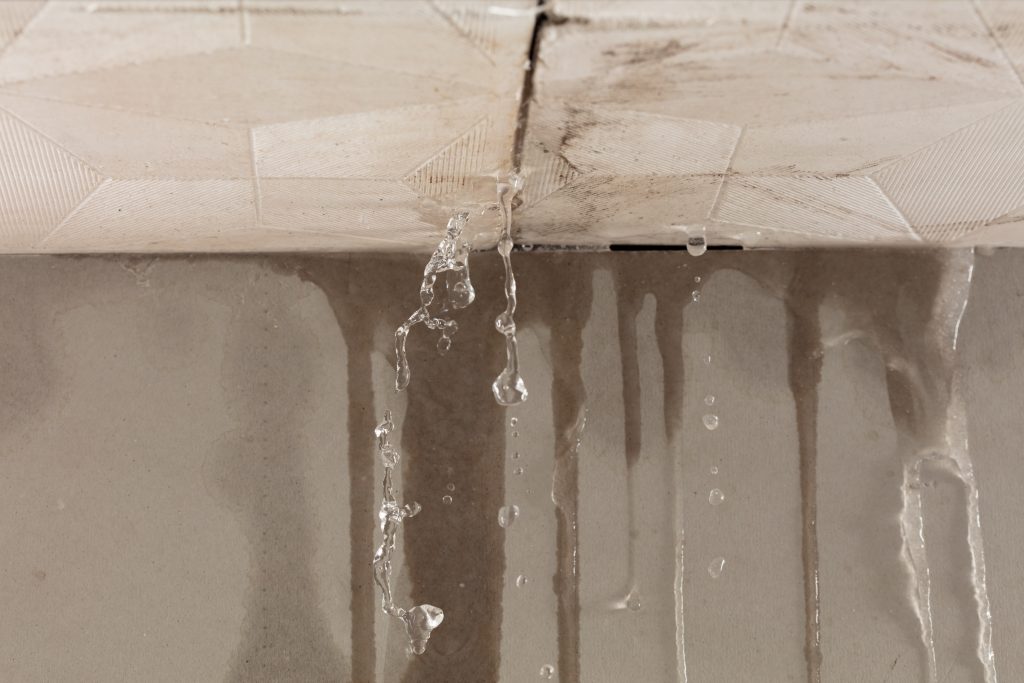
Acting quickly helps limit further damage, but documentation matters just as much as speed.
Actual Cash Value vs. Replacement Cost
Most homeowners policies value damaged property one of two ways: actual cash value or replacement cost.
Actual cash value (ACV) accounts for depreciation — it reflects what the damaged item is worth today, factoring in its age and condition, rather than what it would cost to buy new. Replacement cost value (RCV) covers what it would cost to replace the item with a new one of similar kind and quality, without a deduction for depreciation.
Some policies pay ACV upfront and release the remaining depreciated amount once repairs are completed and documented. Others are written on an ACV-only basis. Knowing which valuation method applies to your policy — and to which categories of loss — is part of what we review when we look at your coverage.
Frequently Asked Questions
Does homeowners insurance cover a slow leak that went unnoticed for weeks?
Coverage for a slow leak depends on the specific policy language and how the leak is classified. Some policies exclude damage from ongoing seepage or from leaks a homeowner reasonably should have discovered and addressed sooner. Reviewing your policy’s specific wording is the best way to know how a particular loss will be treated.
What's the difference between a water damage claim and a flood claim?
Water damage claims typically involve water from an internal source, like a pipe or appliance, and generally fall under a standard homeowners policy. Flood claims involve water from an external source, such as rising rivers, streams, or storm surge, and are usually covered under a separate flood insurance policy rather than a homeowners policy.
Do I need to use a specific remediation company for insurance to cover the cost?
In most cases, you’re able to choose your own remediation company rather than one assigned solely by the insurance carrier. It’s worth confirming this with your specific policy and carrier, and keeping documentation of the work performed and its cost, since that documentation supports the claim.
How long does a water damage claim typically take to settle?
Timelines vary based on the extent of the damage, how quickly documentation is gathered, and how responsive the insurance carrier is. Straightforward claims may move through in a matter of weeks, while claims involving more extensive damage or additional inspection can take longer.
Will filing a water damage claim affect my insurance rates?
It’s possible, though the effect depends on the carrier, the claim history on the property, and state regulations. This is a conversation worth having directly with your insurance agent, since rate factors vary by company and by policy.
Serving Kulpsville and Beyond
Alliance Adjustment Group, Inc.
435 N Main St, Doylestown, PA 18901. See driving direction
Our team proudly serves surrounding communities across Montgomery County and Southeastern Pennsylvania. If you’re searching for reliable claim help or a water damage insurance adjuster in Kulpsville, we’re just a call away.
Looking for nearby services?
- Explore our support for homeowners in Lansdale, where our public adjuster in Lansdale, PA helps clients with a full range of property claims.
- Need guidance in Montgomeryville? We provide tailored home insurance claim help in Montgomeryville with the same expertise and care.
- If you’re in North Wales, our independent insurance adjuster in North Wales services are ready to assist.
- For residents of Hatfield, we also specialize in fire recovery as a fire damage adjuster in Hatfield.
- Storm damage? We offer expert support for storm damage claims in Souderton.
Request a Consultation
If you’re dealing with water damage in Kulpsville and aren’t sure where to start with your insurance claim, we’re glad to talk through your policy and the documentation involved. Reach our team at (267) 880-3000, or fill out our contact form, to schedule a consultation.