
Storm Damage Claim Adjuster in Souderton, PA
Souderton has seen its share of severe weather over the years — from fast-moving summer thunderstorms to winter wind and ice events. At Alliance Adjustment Group, we work with Souderton homeowners and business owners after a storm to document damage and prepare an insurance claim. Below, we’ve outlined what we look for after a storm, how documentation supports a claim, and answers to the questions we hear most often from clients in the area.

A Former Manufacturing Hub With a Mix of Building Types
Souderton’s manufacturing-era roots — early cigar and textile industries — left the borough with a genuine mix of building types, from century-old structures in the Historic District to homes built in recent decades. That variety matters after a storm: older roofing, siding, and structural materials can react differently to wind or hail than modern construction. This is where a storm damage claim adjuster is useful — someone who understands how a building’s age and construction affect what needs to be documented, so nothing gets missed in the process.
What Counts as Storm Damage
Storm damage claims in Souderton typically fall into a few categories:
Wind. Wind can loosen or tear off roof shingles, damage siding, break windows, or bring down tree limbs onto a structure. Wind damage isn’t always obvious from the ground, which is one reason a closer inspection matters.
Hail. Hail can dent siding and gutters, crack or bruise roof shingles, and damage window screens or outdoor equipment. Hail damage is sometimes cosmetic and sometimes structural, and the difference isn’t always visible right away.
Lightning. A direct or nearby lightning strike can damage a roof, start a fire, or send a power surge through a home’s electrical system — affecting wiring or appliances even without visible impact.
If your property was affected by one of these events, it’s worth having it looked at, even if the damage seems minor at first.
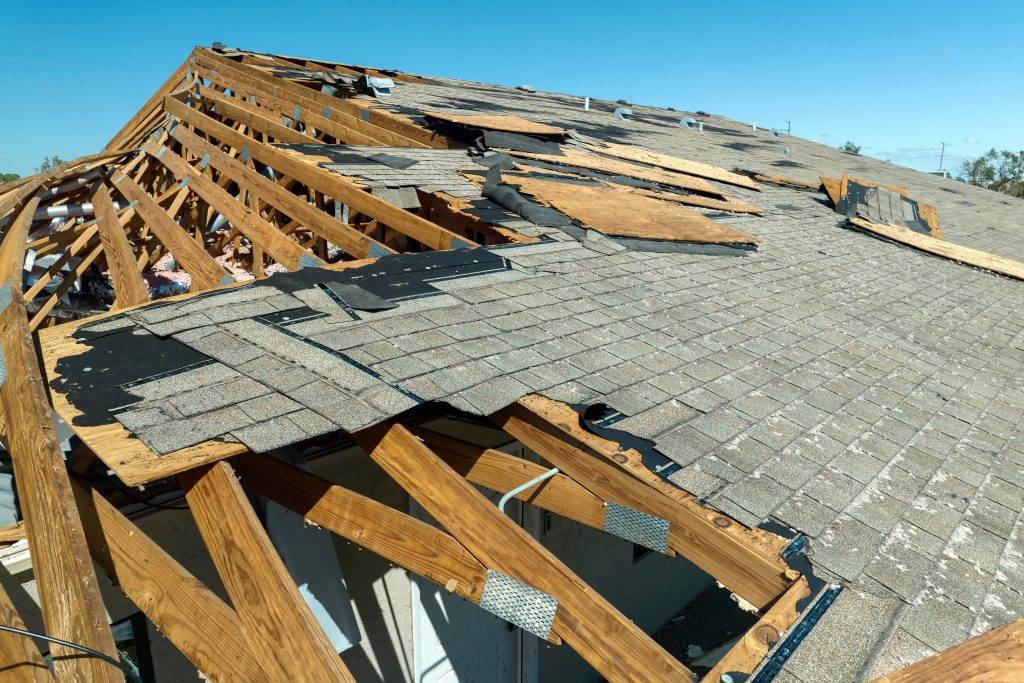
Documenting Storm Damage Before You File
Before filing a storm claim, it helps to gather documentation that supports what happened and when. We typically recommend:
1. Photos.
Clear photos of the damage, taken as soon as it's safe to do so, and again as any temporary repairs are made. Photos from multiple angles — close-ups and wider shots of the surrounding area — tend to be the most useful.
2. Dated weather records.
Local weather reports, National Weather Service alerts, or news coverage confirming the date and type of storm event (wind speed, hail size, etc.) help establish when the damage occurred and what caused it.
3. Contractor assessment.
A written assessment from a licensed contractor can describe the extent of the damage and outline what repairs would involve. This is useful whether the damage is to a roof, siding, windows, or another part of the structure.
Having this information organized before you file can make the claims process more straightforward from the start.
Storm claims can take longer than expected, or come back lower than a homeowner anticipated, for a number of reasons. Sometimes it comes down to timing — when many properties in an area file claims after the same storm, insurers work through them in sequence. Other times, damage that wasn’t well documented at the time of the event is harder to establish later. Policy details matter too: separate wind/hail deductibles, actual cash value versus replacement cost provisions, and specific exclusions can all affect how a claim is evaluated. Understanding your policy and having thorough documentation from the start can help avoid some of these issues.

Frequently Asked Questions
How soon after a storm should I document damage?
As soon as it’s safe to do so. Photographing damage right away, before any temporary repairs or cleanup, gives the clearest picture of what happened. If you make emergency repairs to prevent further damage — such as tarping a roof — photograph the damage first and keep records of the repair costs.
Does an older building in the historic district need a different documentation approach?
Older buildings can have construction details — original roofing materials, older electrical systems, or masonry — that aren’t always found in newer construction. It helps to document the building’s existing condition and materials as part of the claim, since this can affect how repairs are scoped and priced.
What if the storm affected both my home and a home business?
If a storm affects a property used partly for a home business, it’s worth documenting damage to personal and business property separately, since they may fall under different parts of a policy or require different forms.
Do I need a contractor's assessment before I file a claim?
It’s not required, but a written assessment from a licensed contractor can support your claim by describing the damage and outlining repair needs in detail.
What if I already filed a claim and I'm not sure it was documented well?
It’s not too late to gather additional documentation or ask questions about a claim already in progress. Reviewing what’s been submitted so far can help identify anything that may have been missed.
Serving Souderton and Surrounding Communities
Our service doesn’t stop at Souderton. We’re proud to assist homeowners and business owners across Montgomery County and the surrounding region. If you need claim help beyond Souderton, we also work in:
- Lansdale, PA – Public Adjuster in Lansdale
- Montgomeryville, PA – Home Insurance Claim Help
- North Wales, PA – Independent Insurance Adjuster
- Hatfield, PA – Fire Damage Adjuster
- Kulpsville, PA – Water Damage Insurance Adjuster
Whether your property sustained wind, hail, or lightning-related damage, we’re ready to help you take the next steps — wherever you are in the region.
Get in Touch
If you’re dealing with storm damage in Souderton and have questions about documentation or the claims process, our team at is happy to talk through your options. Call us at (267) 880-3000 to get started.
Alliance Adjustment Group
435 N Main St, Doylestown, PA 18901. See driving directions