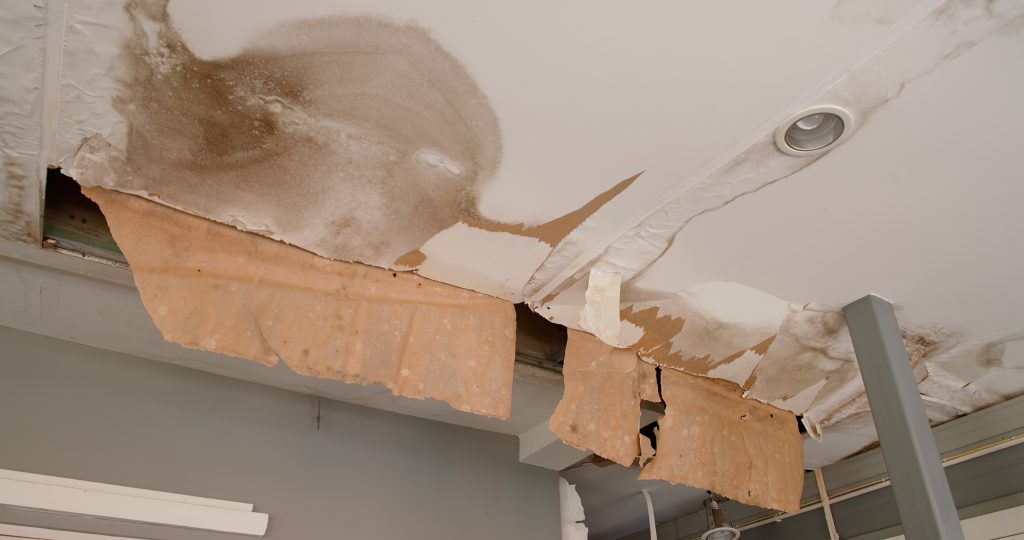
Water Damage Insurance Adjuster in Hatboro, PA
Water can find its way into a home or business in more ways than most property owners realize—a slow leak behind a wall, a failed sump pump during a storm, or a supply line that finally gives out after years of quiet wear. It tends to move fast and hide well, which can make the claim that follows easy to under-document. At Alliance Adjustment Group, we work with Hatboro homeowners and business owners to make sure the full scope of water damage is identified, documented, and presented to the insurance company clearly.
Why Water Damage Claims in Hatboro Need Special Attention
Older plumbing, aging roof lines, and settled foundations don’t always respond to water intrusion the way newer construction does. A leak that’s easy to trace in a five-year-old home can travel along old pipe runs or hide behind layers of past renovation in an older Hatboro property. A claim on an older home often needs a more thorough inspection to capture everything that’s actually affected.
The Three Categories of Water Damage
Not all water damage is treated the same way, either by remediation professionals or by insurance policies. Water is generally classified into one of three categories, and which category applies affects both how the cleanup is handled and how the claim is scoped.
Category 1: Clean Water
Water from a source that doesn’t pose a health risk at the outset, such as a supply line break or an overflow from a clean appliance. It’s the least complicated category to remediate, though it can still cause significant structural damage if it sits too long.
Category 2: Gray Water
Water carrying some level of contamination, often from a washing machine discharge, a dishwasher, or a toilet overflow with no solid waste. It usually calls for more careful cleanup and disposal of affected materials than clean water does.
Category 3: Black Water
Grossly contaminated water—sewage backups, flooding from an outside source, or water that’s been standing long enough to support bacterial growth. Black water intrusion typically requires more extensive remediation, and it changes what needs to be documented, since more materials may need to be removed rather than dried and restored.
Because a loss can shift from one category to another the longer it goes untreated, the category assigned early on matters for how the claim is scoped from the start.
Documentation That Strengthens a Hatboro Water Damage Claim
The best time to document water damage is before remediation begins, not after—once materials are removed or dried out, it’s much harder to show the full extent of what was affected. A few things make a meaningful difference:
- Photos and video of the damage before any cleanup or repairs start, including areas that may not look obviously damaged yet.
- Moisture readings taken with a meter, which help establish how far water traveled behind walls, under flooring, or into other materials that aren’t visible.
- A professional scope of damage, prepared with an understanding of both the property’s construction and the applicable policy language, so nothing affected gets left off the estimate.
We help put this documentation together as part of our work on a claim, so the record reflects what actually happened, not just what’s visible after the fact.
Actual Cash Value vs. Replacement Cost for Water Damage Repairs
Most homeowners policies pay covered losses using one of two methods: actual cash value (ACV) or replacement cost value (RCV). Actual cash value accounts for depreciation, so a damaged item or material is valued at what it’s worth today rather than what it would cost to buy new. Replacement cost value pays what it actually costs to replace the item with a new equivalent, without subtracting for depreciation.
Some policies pay RCV up front; others pay ACV first and release the depreciation, known as recoverable depreciation, once repairs are completed and documented. Knowing which method applies to your policy makes a real difference in how a claim is structured and what to expect at each stage.
Let's Talk About Your Water Damage Claim
If you’re dealing with water damage in a Hatboro home or business, a clear, well-documented claim from the start can make the process easier to navigate. At Alliance Adjustment Group, we’re available to walk through what’s involved and help you understand your options.
Call us at (267) 880-3000, or reach out through our website to set up a time to talk.
435 N Main St, Doylestown, PA 18901. See driving directions.
Serving Hatboro and Surrounding Communities
We proudly serve residential and commercial property owners throughout Montgomery County, with Hatboro as a key hub. As a local water damage insurance adjuster in Hatboro, we understand the unique architectural features, weather conditions, and local insurance market—insights that give your claim a distinct edge.
Need help beyond Hatboro? You’re covered. Our network of licensed public adjusters serves clients across the region, including:
- Public Adjuster in Horsham, PA
- Fire Damage Adjuster in Ambler, PA
- Independent Insurance Adjuster in Maple Glen, PA
- Homeowners Insurance Claim Help in Montgomeryville, PA
- Loss Adjuster in Prospectville, PA
- Storm Damage Claim Adjuster in Eureka, PA
These nearby locations often experience the same seasonal water risks as Hatboro—from winter freeze-ups to summer downpours—so we’re always ready with local insights and fast response times.
Frequently Asked Questions
Does an older Hatboro home complicate a water damage claim?
It can. Older plumbing, roofing, and foundation systems don’t always show damage the way modern construction does, and water can travel further behind original materials before it’s noticed. This usually means the inspection needs to go a bit deeper to capture the full scope of what’s affected.
What's the difference between a water damage claim and a flood claim?
Water damage claims typically cover sudden, accidental intrusion from an internal source, like a burst pipe or a failed appliance. Flood damage, caused by rising water from an outside source such as an overflowing creek, is generally excluded from standard homeowners policies and covered separately, often through a flood insurance policy.
How quickly does mold become a concern after water damage?
Mold can begin developing within 24 to 48 hours under the right conditions, which is one reason prompt documentation and drying matter. The longer materials stay wet, the more likely mold becomes part of the damage that needs to be addressed.
What's typically covered under a homeowners policy for water damage?
Coverage generally depends on whether the damage was sudden and accidental versus the result of long-term neglect, along with the specific language in the policy. Reviewing the policy alongside the cause and history of the loss is usually the clearest way to understand what applies.
How long does a water damage claim typically take to resolve?
Timelines vary based on the extent of the damage, the category of water involved, and how quickly documentation is gathered. Straightforward claims may move faster, while claims involving structural damage or contamination often take longer to fully assess.