
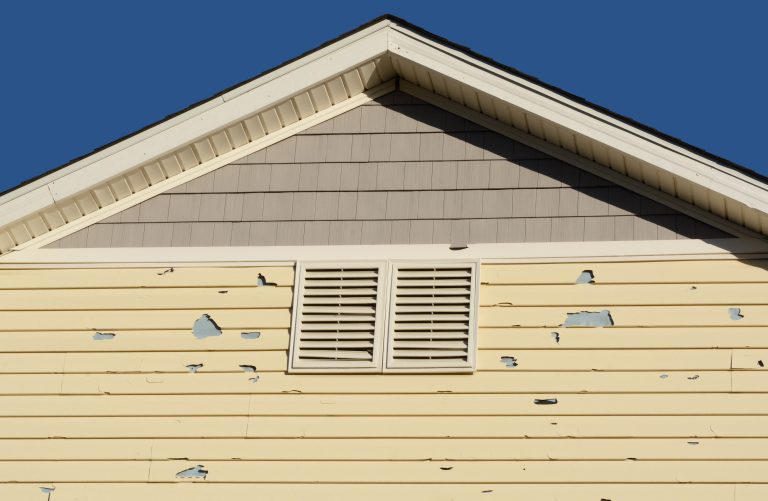
When strong winds move through Chalfont, siding is often the first part of a home to show it. Panels crack, loosen, or tear away entirely, and the damage isn’t always as simple as it looks from the ground. Understanding what your policy actually covers — and how to document the damage properly — makes a real difference in how your claim is handled.
At Alliance Adjustment Group, we work with homeowners across Bucks County on siding claims specifically, and we know the details insurers look for when they review them. Here’s what to know if a recent storm left your siding damaged.
What Counts as Wind Damage to Siding
Wind damage to siding typically includes panels that are missing, cracked, bent, or lifted away from the wall, along with dents and impact marks from wind-driven debris. If a storm recently passed through Chalfont and you’ve noticed any of these signs, it’s worth having the damage reviewed, even if it looks minor.
Not all siding damage is easy to categorize. Insurers sometimes describe visible damage as “cosmetic” or note that it may have existed before the storm — two of the most common reasons cited in underpaid claims across Pennsylvania. That distinction matters because it can affect whether a section of siding is replaced, repaired, or excluded from coverage entirely.
Beyond what’s visible, wind can also cause issues that show up later, including:
- Moisture getting behind panels that have shifted or lifted
- Weakened fastening points that affect how securely the siding is attached
- Warping that becomes more noticeable in the days after a storm as temperatures change
Because these effects aren’t always immediate, a full inspection soon after the storm — not just a glance from the street — is worth doing before you file.
For the broader process of filing a wind damage claim in Pennsylvania, including deductibles and general policy language, see our guide on filing an insurance claim for wind damage in Pennsylvania. This post focuses specifically on siding damage in Chalfont.
Documenting Wind Damage to Siding Insurance Claim in Chalfont Before You File
How a siding claim is documented often shapes how it’s evaluated. Before you file, it helps to gather a few specific types of information.
Photograph every affected side of the house. Wind doesn’t always hit a home evenly, and damage on a side that isn’t visible from the street or driveway can be easy to overlook. Walk the full perimeter of your home and photograph each section, including wide shots that show context and close-ups of specific damage. Date-stamping your photos, or including something like a newspaper or phone screen showing the date, helps establish when the damage was recorded.
Pull a local weather or storm report. Chalfont sits in an area where storm intensity can vary block to block. A dated record of wind speeds or storm activity from the National Weather Service, or a local news report referencing the event, helps connect the damage to a specific date and storm system rather than leaving the timeline open to question.
Get a contractor’s assessment of the damage type. A siding contractor or public adjuster can help determine whether the damage is structural — meaning it affects the integrity or weatherproofing of the wall — or cosmetic, meaning it’s primarily visual. This distinction often comes up in how insurers evaluate siding claims, so having a documented, professional opinion on file before you submit your claim can be useful.
Together, dated photos, a weather record, and a contractor’s assessment give your insurer a clear, well-supported picture of what happened and when.
Why Siding Claims Are Often Underpaid
Even with clear damage, siding claims are sometimes settled for less than homeowners expect. A few factors tend to come up repeatedly.
Cosmetic Damage Distinctions
Insurers may classify siding damage as cosmetic rather than functional, particularly when panels are cracked or dented but not missing. In practice, damage that seems minor can still affect how well siding sheds water or stays securely attached, which is part of why a documented professional assessment matters.
Questions About Timing
If it isn’t clear when the damage occurred, an insurer may ask whether it predates the storm being claimed. Filing promptly, with a dated weather report and time-stamped photos, helps establish a clear connection between the damage and the specific event.
Incomplete Inspections
An insurance company’s field adjuster may not always inspect every side of a home, particularly areas that are harder to see from the ground or the street. When part of the damage isn’t included in the initial inspection, it may not appear in the resulting estimate.
Matching Limitations
Pennsylvania policies vary in how they handle siding that can no longer be matched — for example, an older or discontinued style. Whether a policy covers replacing additional, undamaged siding to maintain a uniform appearance depends on the specific policy language, and this is often a point of discussion during the claims process.
Why Work With a Local Public Adjuster on a Siding Claim
The insurance company’s adjuster represents the insurer’s interests during the claims process. A public adjuster works on behalf of the policyholder instead, reviewing the same damage and policy language from the homeowner’s side.
For a siding-specific claim, that typically includes:
- A full inspection of all affected areas, including sides of the home that are easy to miss from a quick walk-around
- A review of your specific policy language, so you understand how your policy defines covered wind damage, matching, and cosmetic exclusions
- Organized documentation, including photos, weather records, and contractor assessments, prepared in the format insurers expect
- Communication with the insurance company on your behalf, so you’re not navigating calls and paperwork alone during an already stressful time
We work on wind and siding claims across Chalfont and the rest of Bucks County, and we’re happy to take a look at your situation and explain what the process would involve for your specific policy.
Frequently Asked Questions
Does my insurer have to replace all the siding, or just the damaged section?
It depends on your policy’s language around matching. Some policies include provisions for replacing additional siding when an exact match isn’t available, while others limit coverage to the specific damaged section. This is worth reviewing carefully, since older or discontinued siding styles are more likely to raise matching questions.
What if the damaged siding is no longer manufactured and can’t be matched?
This is a common situation with older homes in Chalfont. Some Pennsylvania policies address “reasonably uniform appearance” in this scenario, but coverage varies by carrier and policy. A public adjuster can help you find and interpret the relevant language in your specific policy.
Is minor siding denting from wind usually covered?
Coverage for minor denting depends on your policy and how the damage is classified. Some insurers treat minor dents as cosmetic and outside of coverage, while others may cover them if they’re clearly tied to a wind event. Documentation of when and how the damage occurred plays a significant role in this determination.
How soon after a storm should I document siding damage?
As soon as it’s safe to do so. Documenting damage promptly — with dated photos and a corresponding weather report — makes it easier to connect the damage to a specific storm and reduces the chance that timing becomes a point of dispute later.
Do I need a contractor’s report before filing, or can I file first?
Either approach is workable, but having a contractor’s or public adjuster’s assessment before you file gives you a clearer picture of the scope of the damage and how it may be classified. Some homeowners prefer to have that information in hand before starting the claims process.
Get Help With Your Siding Claim in Chalfont
If a recent storm left your siding damaged, our team at Alliance Adjustment Group can walk through the details with you, help you understand what your policy covers, and support you through the documentation and filing process. Contact us today through our contact page or call us at (267) 880-3000 to talk through your situation and next steps.