
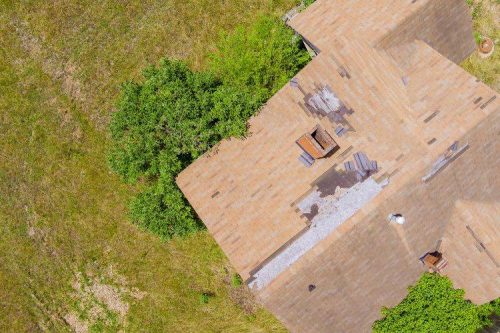
Most wind damage claims in Pennsylvania don’t get denied outright — they get delayed, underpaid, or complicated by a step that got skipped early on. A shingle that wasn’t photographed before a tarp went up. A call to the insurer that opened the claim on the wrong date. A first offer that was accepted before anyone checked it against an actual repair estimate.
At Alliance Adjustment Group, we’ve walked homeowners and business owners across Pennsylvania through this process after nor’easters, summer thunderstorms, and everything in between. This guide covers what your policy typically covers, the five-step claims process itself, and the mistakes we see most often — so whether you’re just starting a claim or you’re a few weeks into one, you know what to expect next.
Understanding Wind Damage Coverage Under a Pennsylvania Homeowners Policy
Most standard homeowners policies in Pennsylvania cover wind-related losses, but how much they cover — and what you’ll pay out of pocket first — depends on your specific carrier and policy language.
Wind damage after a Pennsylvania storm commonly includes:
- Roof shingles blown off or lifted
- Siding damage or detachment
- Broken windows and doors
- Tree limbs falling on structures
- Power surges that damage appliances or electronics
These losses are typically covered under the “dwelling” or “structure” portion of a policy. That said, insurers sometimes question whether wind was the direct cause of damage, or scope an estimate more narrowly than the actual repair will require. Thorough documentation from the outset — which we cover in the next section — is the best way to head off that kind of dispute.
One detail worth checking before a storm ever hits: many Pennsylvania policies carry a wind/hail deductible that’s separate from, and higher than, your standard deductible. It’s often calculated as a percentage of your home’s insured value rather than a flat dollar amount, which can mean a larger out-of-pocket cost than homeowners expect.
If you’re not sure what your policy covers, request a full copy from your agent and review the declarations page for deductible details, along with any endorsements or exclusions specific to wind. A licensed public adjuster can also review the policy with you and explain how its terms apply to your specific damage.
Steps to Take Immediately After Wind Damage
What you do in the first hours and days after a storm can shape how smoothly the rest of the claim goes.
- Confirm it’s safe. Don’t enter or remain in a structure if there’s a risk of collapse, exposed electrical hazards, or a gas leak. Call emergency services first if you suspect any of these.
- Document everything. Take clear, high-resolution photos and video of all damage, inside and out, from multiple angles — roof and siding, broken windows or doors, fallen trees or debris, and any water intrusion. Avoid discarding damaged items or making permanent repairs before an adjuster has inspected the property, unless a repair is needed to prevent further damage (like tarping an open roof). Keep every receipt for emergency repairs.
- Notify your insurance company. File your initial notice of loss as soon as you reasonably can, typically through a 24-hour claims hotline or mobile app. Stick to the facts of what happened rather than speculating about cause or extent — that’s what the inspection is for.
- Keep a claim log. Note every interaction with your insurance company: who you spoke with, when, what was discussed, and anything you were told. This record can matter if questions come up later in the process.
- Consider bringing in help early. Pennsylvania homeowners have the right to hire a public adjuster — a licensed professional who works for the policyholder, not the insurance company — to help assess damage, interpret the policy, and handle communication with the insurer.
Filing the Claim: A Step-by-Step Guide
Once you’ve taken the steps above, filing insurance claim for wind damage in Pennsylvania generally follows this sequence, though timelines vary by insurer and the extent of the damage.
Step 1: Submit A Formal Claim.
Your insurer will typically require a Proof of Loss form along with supporting documentation. A claims adjuster will be assigned to evaluate the damage — it’s worth remembering this adjuster represents the insurance company.
Step 2: Schedule An Inspection.
Inspections are usually scheduled within a few days to a week of the claim being opened. Being present, or having your contractor or public adjuster attend on your behalf, helps make sure nothing gets missed.
Step 3: Review the insurance estimate.
After the inspection, the insurer issues a repair estimate. Compare it against your own documentation and any contractor or public adjuster assessment. If the estimate looks low or incomplete, you have the right to dispute it.
Step 4: Negotiate If The Numbers Don’t Line Up.
You’re not required to accept the first offer. After large storms in particular, initial estimates can be produced quickly and may not reflect the full cost of repair. A public adjuster can help build documentation to support a revised offer.
Step 5: Receive Payment And Begin Repairs.
Once a settlement is finalized, payment is issued based on either actual cash value or replacement cost value, depending on your policy terms. Keep records of all repair work as it’s completed.
Common Pitfalls That Slow Down or Reduce a Wind Damage Settlement
Most of the problems we see in wind damage claims trace back to one of a few avoidable missteps.
Underestimating the damage. Wind damage can look minor at first glance and turn out to be more serious underneath — lifted shingles that aren’t leaking yet, for example, can still lead to deterioration over time. A quick visual inspection may not catch this, which is why a second opinion from a contractor or public adjuster experienced with storm damage can be useful.
Accepting the first offer without review. Initial estimates can be based on outdated pricing or leave out line items that belong in the scope of repair. Comparing the insurer’s estimate against an independent one before signing off gives you a clearer picture of whether it holds up.
Not knowing the policy’s fine print. The difference between replacement cost and actual cash value, or the existence of a separate wind/hail deductible, often only becomes clear once a claim is already underway. Reviewing this ahead of time — or having someone walk through it with you — avoids surprises later.
Waiting too long to file. Pennsylvania insurers generally expect notice of damage within a reasonable timeframe. Opening a claim early preserves your options, even if you’re still gathering estimates or assessing the full scope of damage.
Managing the process without support. Every step above can be handled solo, but for many homeowners, having someone familiar with the process — reviewing documentation, interpreting policy language, communicating with the adjuster — makes the process considerably less time-consuming.
Frequently Asked Questions
How is wind damage different from storm or hurricane damage for insurance purposes?
“Wind damage” typically refers to loss directly caused by wind — such as shingles torn off a roof or a fence blown down — regardless of the storm system that produced it. Broader storm or hurricane damage can involve additional causes of loss, like flooding, which may fall under separate coverage (such as flood insurance) rather than a standard homeowners policy. Reviewing your specific policy language helps clarify which category your damage falls under.
Does my policy cover a fallen tree limb that damaged my roof in a windstorm?
In most cases, yes — if a tree or limb falls onto a covered structure due to wind, the resulting damage to the structure is typically covered under the dwelling portion of a standard homeowners policy. Coverage for removing the tree itself, separate from structural repair, can vary by policy and may carry its own limit.
How soon after wind damage should I file a claim?
As soon as it’s reasonably possible to do so. Pennsylvania insurers generally expect prompt notice of loss, and waiting too long can complicate a claim or give an insurer grounds to question it. You can open a claim and provide additional documentation as it becomes available.
What’s the difference between actual cash value and replacement cost coverage?
Actual cash value accounts for depreciation, so payment reflects what damaged property was worth at the time of loss. Replacement cost coverage pays what it costs to repair or replace the item with new materials, without a depreciation deduction, though it may require completing repairs first. Your policy’s declarations page will specify which type applies.
Do I need a public adjuster for a wind damage claim?
Not every claim requires one. Smaller, more straightforward claims are sometimes resolved directly with an insurer without issue. A public adjuster tends to be most useful for larger or more complex losses, when there’s disagreement over the scope or value of an estimate, or when you’d simply prefer to have someone familiar with the process handling documentation and communication on your behalf.
Have Questions About Your Wind Damage Claim?
Every wind damage claim is a little different, and the right next step depends on the specifics of your policy and the damage itself. If you’re weighing whether to file, reviewing an estimate that doesn’t look right, or just want a second set of eyes on where things stand, our team at Alliance Adjustment Group is available to talk it through.
Contact us today through our contact page or call us at (267) 880-3000 to discuss your situation — we’re happy to answer questions and help you understand what your options are.