
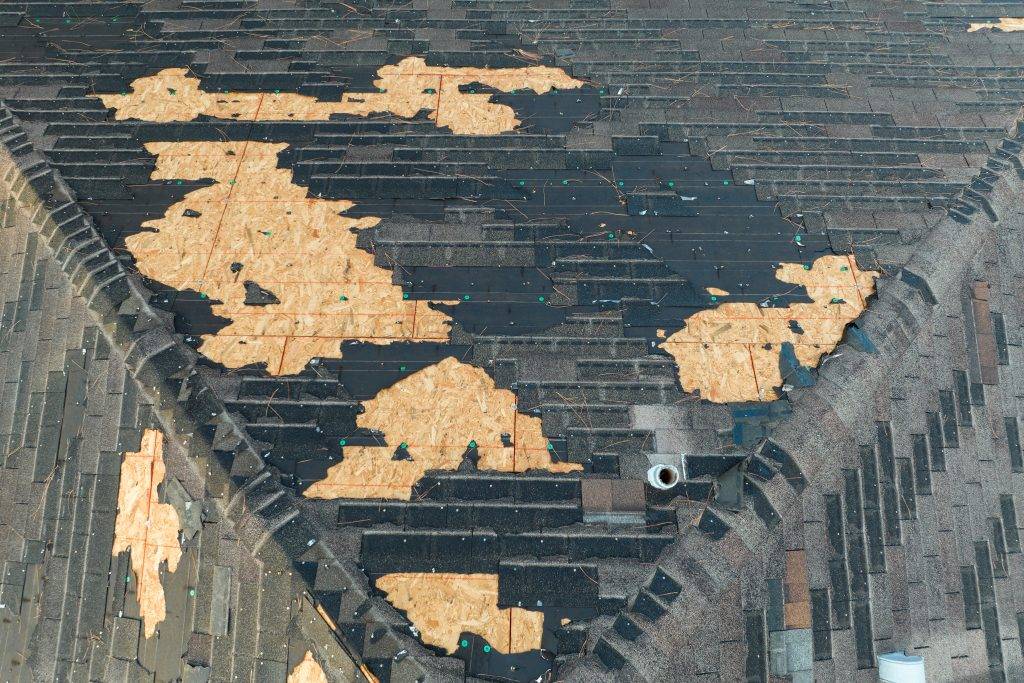
A powerful wind storm can leave behind more than just scattered debris and missing shingles—it can cause serious house structural damage after wind storm events that may not be obvious right away. Even if your home looks mostly fine from the outside, strong winds can weaken key structural areas like the roof, walls, framing, or foundation, creating problems that can worsen over time.
For many homeowners, the aftermath can feel overwhelming. Between making sure your family is safe, assessing the damage, and figuring out what to do next, it’s easy to feel unsure about where to begin—especially when insurance is involved. Filing a windstorm damage insurance claim may sound straightforward, but the process can quickly become stressful if you don’t know what your policy covers or how to properly document structural issues.
Common Signs of Structural Damage After Windstorm Events
After a major storm, it’s not always easy to tell whether your home has suffered serious structural issues. Some damage is obvious right away, while other problems may stay hidden until weeks or even months later. Catching house structural damage after wind storm events early is key to preventing bigger repairs and protecting your insurance rights.
Below are some of the most common visible and hidden warning signs homeowners should watch for:
Cracked Walls
Cracks in interior or exterior walls can be one of the first indicators that high winds have affected your home’s structure. While small hairline cracks may be cosmetic, larger cracks—especially those that appear suddenly after a storm—could signal shifting or stress in the framing or foundation.
If you notice new cracks forming, it may be a sign of house structural damage after wind storm conditions that should be inspected quickly.
Leaning Fences or Chimneys
Strong winds can cause outdoor structures to tilt or weaken, including fences, brickwork, and chimneys. A leaning chimney is especially concerning because it may indicate structural movement or instability, which can become dangerous if not addressed.
These issues are often connected to deeper storm impact and may support a windstorm damage insurance claim if properly documented.
Roof Separation
One of the most serious forms of storm-related damage is roof separation, where parts of the roof begin pulling away from the walls or support beams. This can happen when wind uplift forces loosen connections over time.
Roof separation is a major red flag for house structural damage after wind storm events and should be evaluated immediately to prevent collapse or water intrusion.
Shifting Doors and Windows
If your doors suddenly won’t close properly or your windows feel misaligned, your home may have shifted slightly due to wind pressure. This is often a subtle but important sign that the structure has been impacted.
Misaligned openings may seem minor, but they can point to larger structural movement—and could play a role in a windstorm damage insurance claim.
What to Do Immediately After a Wind Storm Damages Your House
When a wind storm hits, the first few hours and days afterward are critical. Even if the damage doesn’t look severe at first, house structural damage after wind storm events can develop quickly and become more expensive to repair the longer you wait.
Here are the most important steps to take right away:
Prioritize Safety First
Before inspecting anything, make sure your family is safe. If you notice major roof damage, fallen power lines, or signs of structural instability, avoid entering certain areas of the home until professionals can assess the risk.
Prevent Further Damage
If it’s safe to do so, take temporary measures such as covering exposed areas with tarps or moving belongings away from leaks. Insurance policies often require homeowners to mitigate additional damage after a storm.
Document Everything
Take clear photos and videos of all visible damage, including cracks, roof issues, or shifted doors and windows. Strong documentation is essential when dealing with insurance and proving house structural damage after wind storm conditions.
Call a Public Adjuster for Help
This is one of the most important steps many homeowners don’t realize they can take.
Insurance companies assign their own adjusters to evaluate your claim—but those adjusters work for the insurance company, not for you. If you’re dealing with serious structural concerns, the claim process can become confusing, stressful, and time-consuming.
A public adjuster works on your behalf to make sure the full extent of the damage is properly identified, documented, and fairly valued.
At Alliance Adjustment Group, we help homeowners through the entire process—from inspecting the damage to negotiating with the insurance company—so you don’t have to handle it alone.
If you suspect house structural damage after wind storm impact, getting professional support early can make a major difference in your outcome.
Does Homeowners Insurance Cover Structural Damage From High Winds?
One of the first questions homeowners ask after a major storm is: Will my insurance actually cover this?
In many cases, yes—homeowners insurance may cover house structural damage after wind storm events, especially when the damage is caused directly by high winds. This can include structural issues such as roof damage, broken framing, collapsed sections, or other wind-related impacts to the integrity of your home.
However, coverage depends on several important factors:
Your Specific Policy Coverage
Not all homeowners policies are the same. Some include windstorm protection as a standard part of coverage, while others may have limitations, exclusions, or higher deductibles for wind-related claims.
That’s why reviewing your policy carefully is so important before moving forward with repairs or filing a claim.
The Extent and Cause of the Damage
Insurance companies typically look at whether the damage was caused suddenly by the storm—or whether it was related to pre-existing wear and tear. Unfortunately, structural problems are sometimes underestimated or disputed, which can make the claims process more difficult.
If the insurer claims the damage existed before the storm, it could reduce or delay your payout.
Hidden Structural Damage Can Be Overlooked
Some of the most serious storm damage isn’t immediately visible. Shifting support beams, roof separation, or internal wall stress may take time to show up—but they still qualify as house structural damage after wind storm conditions when properly evaluated.
This is where having an experienced professional involved can make a big difference.
If you’re unsure what your homeowners insurance covers—or if you’re worried about getting a fair settlement—Alliance Adjustment Group can help you understand your policy and ensure nothing is missed.
How to File a Windstorm Damage Insurance Claim Successfully
Filing a claim after a storm might sound simple, but when you’re dealing with serious house structural damage after wind storm conditions, the process can quickly become stressful—especially if you don’t fully understand your homeowners policy or don’t want to deal with back-and-forth negotiations.
If handling a windstorm damage insurance claim feels overwhelming, you’re not alone. Many homeowners struggle with paperwork, deadlines, and making sure the full extent of the damage is properly included.
Here’s a quick overview of the basic steps:
- Contact your insurance company promptly to report the storm damage
- Document all visible and structural damage with photos, videos, and notes
- Schedule an inspection with the insurance adjuster
- Keep records of repairs and expenses, including temporary fixes
- Review the settlement offer carefully before accepting
Even with these steps, structural damage is often underestimated, and homeowners may not receive the full amount they need for repairs.
That’s why working with a public adjuster can make a major difference. If you don’t want to go through the process alone—or if your claim feels confusing or too stressful—Alliance Adjustment Group can step in to help manage your windstorm damage insurance claim from start to finish.
Our goal is to make sure your house structural damage after wind storm loss is fully documented and fairly covered.
Work with a Local Public Adjuster
When your home suffers house structural damage after wind storm conditions, having the right support can make all the difference. Structural claims are often complex, and insurance companies may overlook hidden damage or undervalue the true cost of repairs.
That’s where a local public adjuster comes in.
Unlike insurance company adjusters—who work for the insurer—a public adjuster works for you. At Alliance Adjustment Group, we represent homeowners and fight to make sure your claim is handled fairly and completely.
We understand how stressful it can be to deal with inspections, paperwork, and settlement negotiations while also trying to repair your home. Our team helps take that burden off your shoulders, especially when you’re facing a difficult windstorm damage insurance claim.
Proudly Serving Pennsylvania and New Jersey Homeowners
Alliance Adjustment Group works with homeowners across Pennsylvania and New Jersey, providing trusted guidance and hands-on support after storm-related losses.
Alliance Adjustment Group
435 N Main St, Doylestown, PA 18901
Call Us:
267-880-3000 (local)
888-890-2288 (toll free)
If you’re dealing with house structural damage after wind storm impact, don’t wait until the damage worsens or the insurance process becomes more frustrating. Getting professional help early can protect your home and your settlement.
Call Today for Expert Support With Windstorm Damage Repairs and Claims
Dealing with house structural damage after wind storm events can feel overwhelming, especially when you’re trying to protect your home, your family, and your finances all at once. Structural issues are serious, and the insurance process can be confusing, time-consuming, and stressful—particularly when you’re facing a major windstorm damage insurance claim.
Don’t let storm damage or insurance stress take control. Contact Alliance Adjustment Group today for expert help with your repairs, your recovery, and your windstorm damage insurance claim.
Disclaimer:
The information provided on this website is for general informational purposes only and does not constitute legal advice. While we strive to provide accurate and up-to-date information, insurance policies and regulations can vary. It is important to consult with your specific insurance provider or a qualified professional for advice tailored to your individual circumstances.