
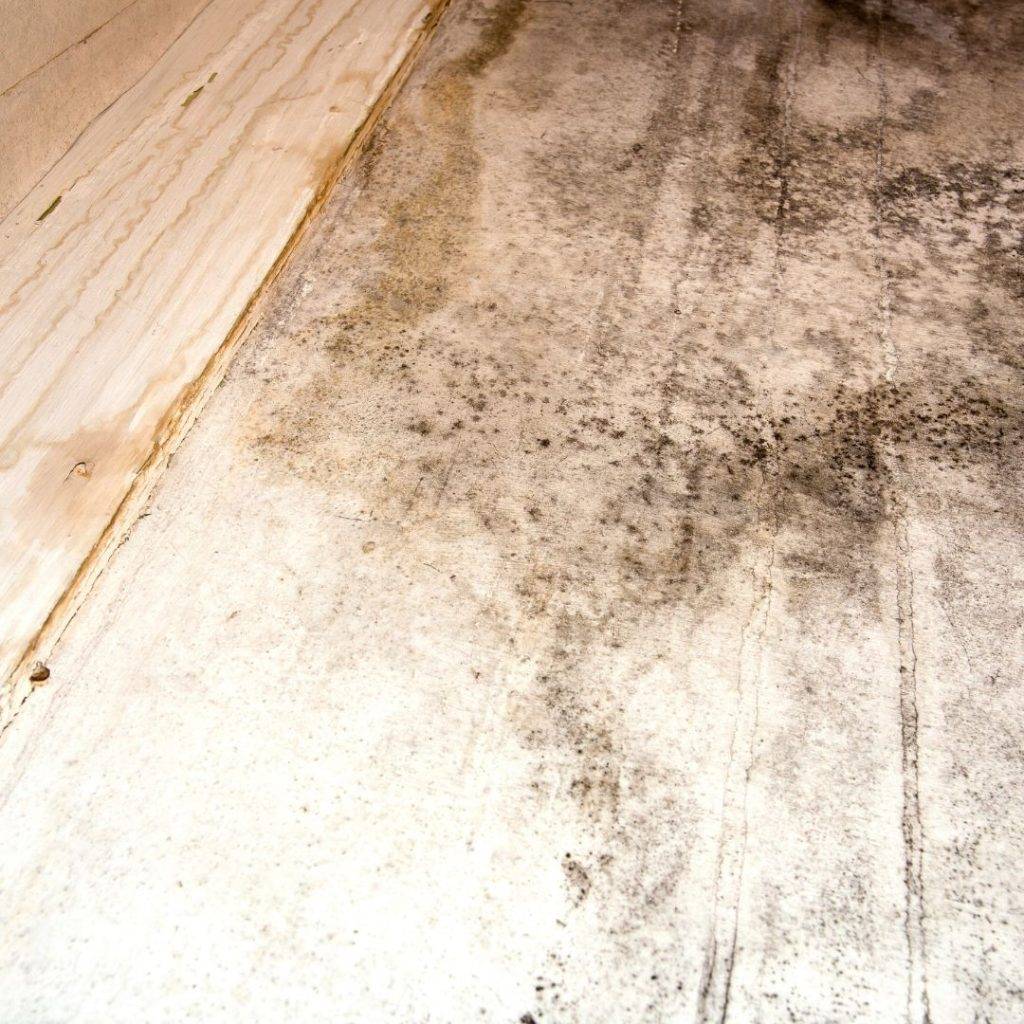
Dealing with water damage is stressful enough, but it can be even more frustrating when hidden damage discovered after claim closed suddenly comes to light. Many Hatboro homeowners assume that once an insurance claim is settled, the chapter is closed for good. Unfortunately, water has a way of lingering behind walls, under floors, and inside structural components—causing damage that isn’t always visible during the initial inspection.
If you’re facing a situation where hidden damage discovered after claim closed is impacting your home, you’re not alone. This is a common issue in many water damage insurance claim scenarios, especially when moisture-related problems take time to surface. From slow-forming mold to weakened structural materials, these hidden issues can threaten both your property and your peace of mind if left unaddressed.
Common Types of Hidden Damage in Water Damage Insurance Claims
When hidden damage discovered after claim closed becomes apparent, it’s often because water didn’t just affect what you could see—it seeped into areas that are easy to overlook during an initial inspection. Water damage has a sneaky way of spreading quietly, and by the time symptoms show up, the original claim may already be settled.
Below are some of the most common types of hidden damage homeowners in Hatboro encounter after a water damage insurance claim has already been closed:
1. Mold Growth Behind Walls and Ceilings
Mold is one of the most frequent issues associated with hidden damage discovered after claim closed situations. Moisture trapped behind drywall, insulation, or ceilings creates the perfect environment for mold to grow. It may take weeks or even months before musty odors or visible patches appear, long after the insurance adjuster has left.
2. Water-Damaged Insulation
Insulation can absorb and hold water without showing obvious signs on the surface. Wet insulation loses its effectiveness and can contribute to higher energy bills, lingering odors, and mold growth. Because it’s concealed inside walls and attics, this type of damage is often missed during the original water damage insurance claim inspection.
3. Structural Wood Rot
Water intrusion can slowly weaken wooden framing, subfloors, and support beams. This type of deterioration doesn’t happen overnight, which is why hidden damage discovered after claim closed often includes sagging floors, soft spots, or cracking drywall that wasn’t present right after the loss.
4. Electrical System Damage
Moisture can infiltrate outlets, wiring, and breaker panels, leading to corrosion or safety hazards. Electrical damage may not be immediately obvious, but over time it can cause flickering lights, tripped breakers, or even fire risks—clear signs that hidden water damage was present all along.
5. Plumbing and Pipe Corrosion
Leaks caused or worsened by water damage can lead to pipe corrosion inside walls or under flooring. Homeowners may only notice the issue when water pressure drops, stains reappear, or another leak develops—once again pointing to hidden damage discovered after claim closed.
Can You Reopen a Closed Insurance Claim for Hidden Damage?
Discovering hidden damage discovered after claim closed can leave homeowners feeling stuck, especially if the insurance company already issued payment and finalized the claim. The good news is that, in many cases, you can reopen a closed insurance claim—particularly when the damage was not visible or reasonably discoverable at the time of the original inspection.
Insurance companies understand that water damage doesn’t always reveal its full impact right away. That’s why reopening a claim is sometimes allowed, as long as certain conditions are met and the request is handled correctly.
When Insurance Companies Allow Claims to Be Reopened
In Pennsylvania, insurers may allow homeowners to reopen a claim when new damage is discovered that is directly related to the original covered loss. This is especially relevant in water damage cases, where moisture can remain hidden behind walls, under flooring, or within structural components.
While Pennsylvania insurance law does not set a single, rigid statute specifically titled “reopening claims,” state regulations and case law generally require insurers to act in good faith. If hidden damage discovered after claim closed could not have been identified during the initial inspection—and you can show it stems from the original water event—you may have valid grounds to request a claim reopening.
Insurance companies are more likely to allow a claim to be reopened when:
- The damage was concealed or inaccessible during the original inspection
- The homeowner acted promptly after discovering the issue
- The damage is clearly tied to the original water loss
- Proper documentation supports the new findings
This is where having support from a professional experienced in water damage insurance claim matters. A knowledgeable expert can help connect the dots between the original loss and the newly uncovered damage, making it harder for the insurer to deny responsibility.
Time Limits for Reopening a Water Damage Insurance Claim in Pennsylvania
Even though reopening a claim is possible, timing is critical. Most insurance policies include specific language about “supplemental claims” or “additional damage,” and these provisions often come with deadlines.
In Pennsylvania, the time limits to reopen a claim typically depend on:
- The terms outlined in your individual insurance policy
- Whether the damage was truly hidden and undiscoverable
- How quickly you notified the insurer after discovering the issue
Many policies allow anywhere from one to two years—or sometimes longer—to reopen or supplement a claim, but delays can work against you. If hidden damage discovered after claim closed sits unreported for too long, insurers may argue that it resulted from wear and tear or a new incident rather than the original water loss.
That’s why acting quickly and seeking guidance from a water damage insurance adjuster in Hatboro can make a significant difference. They understand policy language, timelines, and how to present your claim in a way that protects your rights.
Steps to Take When Hidden Damage Is Discovered After Claim Closed
Finding hidden damage discovered after claim closed can feel overwhelming, but taking the right steps—quickly and in the right order—can significantly improve your chances of getting your claim reopened and properly compensated. Water damage situations require urgency, documentation, and strategy. Here’s exactly what Hatboro homeowners should do when hidden issues surface after a claim has already been settled.
1. Stop Further Damage Immediately
The first and most important step when hidden damage discovered after claim closed is to prevent the problem from getting worse. Insurance companies expect homeowners to mitigate additional damage as soon as it’s discovered.
This may include:
- Shutting off the water source
- Drying out affected areas with fans or dehumidifiers
- Making temporary repairs to prevent further moisture intrusion
Failing to act promptly could give the insurance company grounds to deny additional coverage, claiming negligence or lack of mitigation.
2. Document the Hidden Damage Thoroughly
Strong documentation is critical when reopening a water damage insurance claim. As soon as you discover the damage, begin collecting evidence that clearly shows the issue was hidden and related to the original loss.
Be sure to:
- Take clear photos and videos of all affected areas
- Capture moisture readings if possible
- Keep damaged materials if they are removed
- Write down when and how the damage was discovered
The more proof you have, the easier it is to demonstrate that the hidden damage discovered after claim closed was not something you could have reasonably identified earlier.
3. Call a Water Damage Insurance Adjuster
This is one of the most important steps homeowners can take. A professional water damage insurance adjuster works for you, not the insurance company. They know how to identify hidden damage, assess its true scope, and link it back to the original claim.
An experienced adjuster can:
- Perform a detailed inspection
- Prepare a supplemental damage estimate
- Communicate directly with the insurer
- Help you reopen a closed insurance claim properly
For Hatboro homeowners, working with a local expert ensures familiarity with Pennsylvania policies, claim practices, and carrier tactics.
4. Review Your Water Damage Insurance Policy
Before contacting your insurance company, carefully review your policy. Look for sections related to:
- Supplemental or additional damage
- Time limits for reporting new damage
- Water damage exclusions or endorsements
Understanding your coverage helps you avoid mistakes and ensures you’re prepared when discussing the hidden damage discovered after claim closed with your insurer.
5. Notify the Insurance Company Promptly
Once the damage is documented and you’ve consulted with a professional, notify your insurance company as soon as possible. Delays can weaken your position, even if the damage was truly hidden.
When contacting the insurer:
- Clearly explain that new damage has been discovered
- Emphasize that it is related to the original water loss
- Avoid speculation or unnecessary statements
- Stick to the facts and documentation
If possible, have your water damage insurance adjuster assist with or handle this communication to prevent missteps.
6. Request a Reinspection for Hidden Damage
The final step is formally requesting a reinspection or supplemental review of your claim. This allows the insurer to reassess the property with the newly discovered damage in mind.
A reinspection is especially important when:
- Structural issues are uncovered
- Mold or moisture is found behind walls
- Damage extends beyond the original estimate
With proper support, documentation, and expert representation, homeowners facing hidden damage discovered after claim closed can significantly improve their chances of a successful outcome.
How a Water Damage Insurance Adjuster in Hatboro Can Help
When hidden damage discovered after claim closed turns your life upside down, trying to handle the insurance process on your own can feel like a second full-time job. This is where working with a professional makes a real difference. A qualified water damage insurance adjuster in Hatboro serves as your advocate, helping level the playing field with the insurance company.
Insurance carriers have their own adjusters whose goal is to limit payouts. A public adjuster, on the other hand, works exclusively for you. They understand how water damage behaves over time and know exactly how to identify, document, and present hidden losses that insurers often overlook or downplay.
Here’s how a water damage insurance adjuster can help when hidden damage discovered after claim closed becomes an issue:
- Comprehensive Damage Assessment: An experienced adjuster knows where to look for concealed moisture, mold, structural issues, and other problems that weren’t visible during the original inspection.
- Clear Connection to the Original Loss: One of the biggest challenges when trying to reopen a closed insurance claim is proving that the new damage is related to the original event. A skilled adjuster builds that connection using evidence, timelines, and expert reporting.
- Policy Expertise: Water damage insurance policies can be complex and full of technical language. An adjuster reviews your policy line by line to ensure all applicable coverage is used to your advantage.
- Accurate Supplemental Estimates: Hidden damage is often costly. A professional prepares detailed, defensible estimates that reflect the true scope of repairs—not just surface-level fixes.
- Negotiation with the Insurance Company: Insurance companies may resist reopening claims or offering fair compensation. Having a knowledgeable advocate handle communications can significantly improve outcomes and reduce stress.
For homeowners in Hatboro dealing with a water damage insurance claim that didn’t fully address the damage, expert guidance can mean the difference between paying out of pocket and receiving the compensation you’re entitled to.
Get Help from Alliance Adjustment Group
If you’re facing hidden damage discovered after claim closed, you don’t have to navigate the process alone. Alliance Adjustment Group has extensive experience helping Pennsylvania homeowners reopen claims, uncover hidden water damage, and secure fair settlements.
Their team understands how insurers operate and knows how to protect your rights every step of the way.
Alliance Adjustment Group
📞 Call: (267) 880-3000
📍 Address: 435 N Main St, Doylestown, PA 18901
If you suspect hidden water damage or believe your claim was settled too quickly, reach out to Alliance Adjustment Group today for professional guidance and peace of mind.