Theft and Vandalism Claims

We can help you maximize your claim on all of the most common property damage

Are you covered?

we can help!

find out if we can help you with your insurance claim!

THEFT

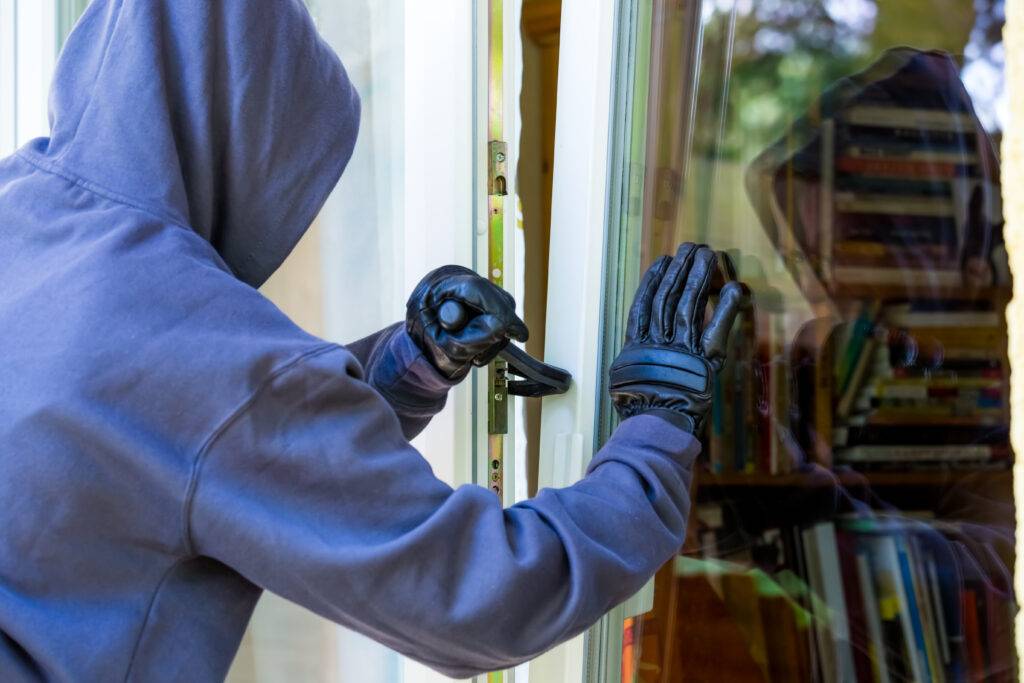
If you were the victim of a burglary or other theft of your possessions, we are here to help you navigate this process.
Depending on what was stolen, it may be covered under your insurance policy, but this depends on your individual coverage, which we will help you decipher. If the thief caused damage to your home in the process, then please call us right away so that we can assess the damage and determine coverage.

VANDALISM

If you are the owner of a rental property, and your tenants have caused deliberate damage, you may have a vandalism claim. Whether the tenants still occupy the property or not, we can help you through the process. Property damage by tenants that is not deliberate may still be covered,
just not under the heading of vandalism. 

Contact us today!

If you do have a claim our expert public adjusters will fight for you to ensure that you receive maximum compensation on your claim. We will persevere on your behalf to make sure your insurance company gives you what you deserve. We work for you not the insurance company, therefore, we have your best interests at heart throughout the entire claims process. Contact us today at 267-880-3000 or use the form below for an obligation free consultation on your water damage claim.

Theft & Vandalism Claims FAQs

Yes. Most standard Pennsylvania homeowners policies include coverage for theft and malicious mischief under both dwelling and personal‑property coverage. Damage to your home — such as broken windows, graffiti or destroyed doors — and stolen or damaged personal belongings are generally covered when caused by someone outside your household. Always confirm the scope of coverage and deductibles in your specific policy.
There are. Everyday items like furniture and electronics are typically insured up to the full personal‑property limit (often 50–70 % of your dwelling coverage). High‑value items — such as jewelry, fur coats, silverware, art, rare coins or cash — have much lower sub‑limits and may only be insured for a few hundred or a couple of thousand dollars. To protect expensive items, consider adding a scheduled personal‑property endorsement (also called a floater) that lists each item and insures it for its full value.
Coverage is usually dependent on occupancy. If your home is vacant (empty of people and furnishings) for more than 30–60 consecutive days, most policies reduce or eliminate coverage for vandalism, theft and glass breakage. Should you need to leave a property vacant for an extended period, talk with your agent about a vacancy endorsement, a specialized vacant‑home policy or builders‑risk coverage to maintain protection.
Safety comes first; do not enter if the scene could be dangerous. Contact the police right away to report the incident and obtain a police report — insurers typically require this. Document all damage and missing items with photos and videos, and make a detailed inventory of losses. Take temporary steps to secure the property (e.g., board up a broken window), but do not make permanent repairs until an adjuster has inspected the damage. Notify your insurance company or a public adjuster as soon as possible, and have receipts, serial numbers and repair estimates ready.
Yes. Pennsylvania insurance carriers generally require a police report for theft and vandalism claims. The report should list the damage, stolen items and any supporting evidence (such as security footage or witness statements). Delaying or failing to file a report can slow the claim process or jeopardize coverage.
Replacement‑cost coverage reimburses you for the cost to replace stolen or damaged items with new equivalents, without subtracting for depreciation. Actual cash value pays only what the item is worth today after factoring in age and wear. Replacement‑cost coverage typically results in higher payouts, while actual cash value may leave you responsible for the difference. Review your policy to see which valuation method applies to your personal property.
A detailed home inventory is essential. Record descriptions, purchase dates, values and serial numbers for your belongings, and keep receipts or appraisals for high‑value items. After a loss, provide photos or videos of the damage, the police report, and written estimates for repairs. Storing this documentation securely (e.g., in the cloud or a fireproof safe) ensures you can prove your losses and streamline the claim process.
Yes. Renters insurance (HO‑4) protects personal property against perils such as theft, vandalism, fire and certain weather‑related damage. It also offers liability coverage and additional living expenses if your rental becomes uninhabitable after a covered loss. If you rent your home, a renters policy is the primary way to protect your belongings from theft or malicious mischief.
Install quality locks, an alarm system, motion‑activated lighting and, if possible, a monitored security system. Keep doors and windows locked, trim shrubs that could conceal intruders, and use timers on lights to give the appearance that someone is home when you’re away. Arrange for a neighbor to collect mail and check on your house during long absences. These measures reduce risk and may qualify you for insurance discounts.
Ask your insurer to explain the denial or calculation in writing and compare it with your policy’s terms. You can provide additional documentation, invoke the appraisal clause to let independent appraisers estimate the loss or hire a licensed public adjuster to negotiate on your behalf. If you believe your insurer has acted unfairly, you may file a complaint with the Pennsylvania Insurance Department’s Bureau of Consumer Services.