

Montgomery County's housing stock runs the full spectrum — from pre-1960s Cape Cods in Ambler and Willow Grove to newer builds in Lansdale and Montgomeryville — and every one of those properties comes with its own claim complexities. When a burst pipe, fire, or hailstorm hits, the insurance process can feel just as overwhelming as the damage itself. At Alliance Adjustment Group, we work exclusively for you — documenting your loss, building your claim, and advocating on your behalf from start to finish.
Why Montgomery County Property Claims Have Their Own Complexity
Montgomery County is one of Pennsylvania's most diverse counties in terms of housing stock. Along the Main Line's outer edge, in communities like Ambler, Horsham, and Willow Grove, you'll find neighborhoods filled with homes built in the 1940s, 1950s, and 1960s — Cape Cods, split-levels, and ranches that have been updated over the decades but still carry the bones of an earlier era. Further north and west, in the Lansdale, North Wales, and Montgomeryville corridors, newer developments sit alongside older borough housing and commercial strips that bring their own set of claim complexities.
A few things make claims in this county particularly nuanced:
Aging infrastructure in older neighborhoods.
Homes built before 1970 may still have original plumbing, older electrical panels, and foundation drainage systems that weren’t designed to handle modern moisture loads. When these fail, the damage can be extensive — and insurers don’t always account for the true scope of restoration needed to bring an older home back to its pre-loss condition.
Freeze-thaw cycles and their cumulative toll.
Montgomery County winters are hard on buildings. The repeated cycle of freezing temperatures followed by above-freezing thaws puts sustained stress on plumbing supply lines, foundation walls, and masonry. A single hard freeze can burst pipes in uninsulated spaces; years of freeze-thaw movement can crack foundations and open pathways for water intrusion that become obvious only after a storm.
A mix of residential and commercial exposures.
The county includes dense residential neighborhoods, suburban commercial corridors along Route 309 and Route 202, light industrial areas, and mixed-use properties — all of which carry different policy structures and claim considerations. Whether you own a home, a retail property, or a multi-tenant building, the documentation and negotiation requirements are different, and they matter.
Newer construction in Warminster, Warrington, and Chalfont
Presents a different challenge. Vinyl siding, architectural shingles, and modern HVAC systems mean storm damage can sometimes look minor on the surface while underlayment or internal components are compromised. Hail events in particular can be deceptive — granule loss on a shingle roof may not be visible from the ground, but it dramatically shortens the roof’s service life. Documenting that kind of damage accurately, at the right time, matters.
We understand these variables because we work here every day. When we inspect a property, we’re not just checking boxes — we’re looking at your specific home or building, its age, its construction, and the full extent of what the loss has affected.

Fire Damage
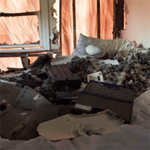
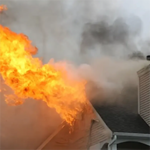
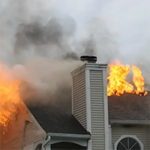
Older homes in communities like Ambler, Hatboro, and Willow Grove often still have original or early-generation electrical systems — knob-and-tube wiring in the oldest cases, or panels that were updated once in the 1970s and haven’t been touched since. When fires occur in these homes, the damage frequently extends well beyond what’s immediately visible: smoke penetrates wall cavities, insulation retains odor, and structural components may need replacement rather than cleaning. We conduct thorough inspections to identify the full extent of fire and smoke damage, and we make sure your claim reflects the true cost of restoring your home — including code upgrades that may be required when rebuilding older systems.
Water Damage
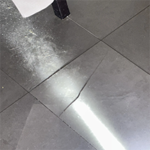
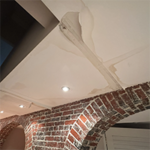
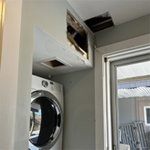
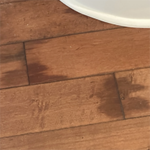
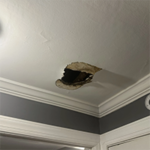
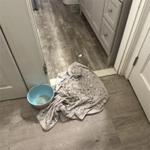
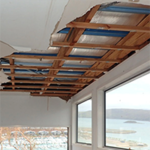
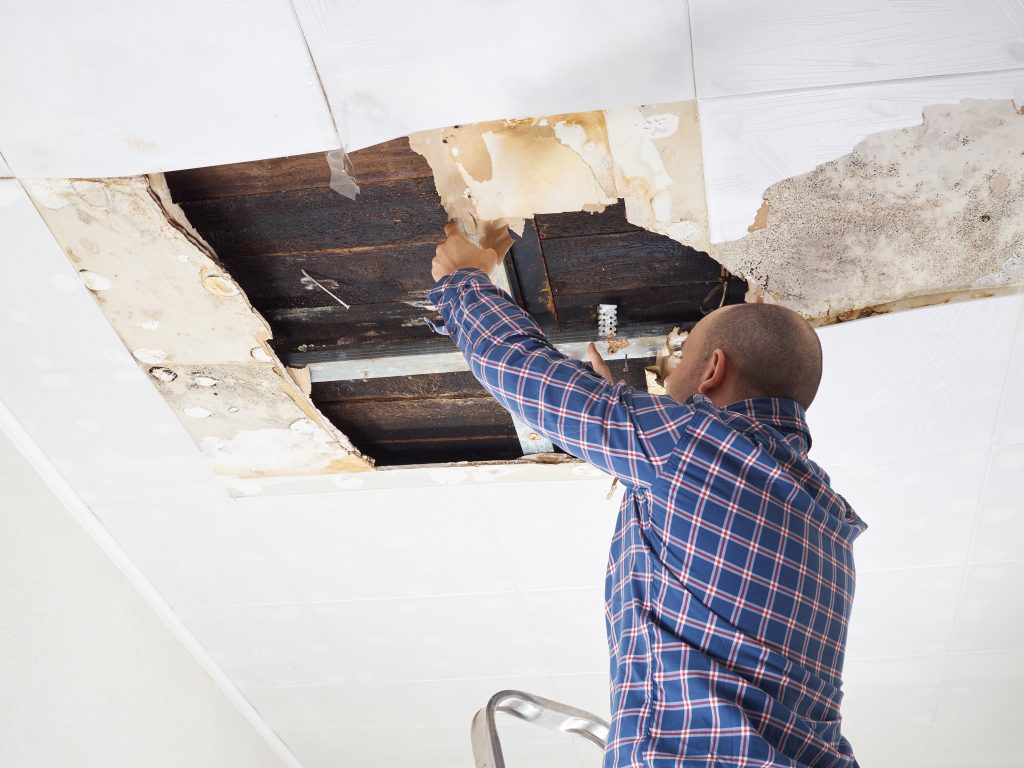
Water damage is the most common claim type we see across Montgomery County, and it takes many forms. Basement flooding is especially prevalent in neighborhoods near Wissahickon Creek, Sandy Run, and other waterways, where heavy rain can quickly overwhelm drainage systems. Sump pump failures during storm events are a frequent culprit, and coverage for these losses depends heavily on how your policy is written — a detail that matters enormously when you’re standing in four inches of water. We also handle claims from burst pipes, appliance failures, ice dam formation at rooflines, and slow leaks that caused hidden mold growth. We trace damage to its source, document it completely, and build a claim that accounts for everything the water touched.
Storm Damage
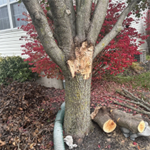
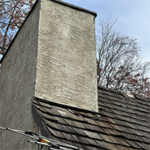
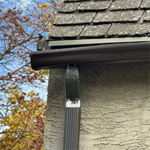
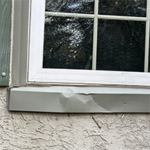
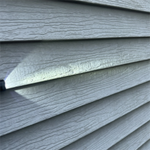
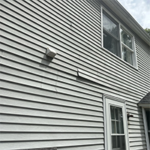
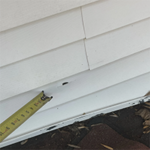
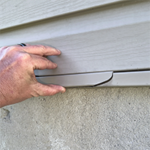
Montgomery County sits in a region that sees regular hail events and damaging wind from spring and summer thunderstorms, as well as heavy snow loads and ice accumulation in winter. Split-level and ranch-style roofs — common throughout the county’s mid-century neighborhoods — are particularly vulnerable to hail impacts and wind-driven debris. Damage to shingles, flashing, gutters, and siding isn’t always obvious from the ground, and insurance company inspectors don’t always catch everything. We conduct our own detailed inspection of every storm-damaged surface and document what we find with the level of specificity your claim requires.
Our Claims Process
We believe the process should be as clear as the outcome. Here’s how we work with Montgomery County clients from the first call through final resolution:
Step 1 — Free Consultation
We start with a conversation. You tell us what happened; we ask questions and give you an honest assessment of your situation, your coverage, and whether we think we can add meaningful value to your claim. There's no charge for this initial conversation, and no pressure to move forward.
Step 2 — Property Inspection
If you decide to work with us, we schedule a thorough inspection of your property. We examine the visible damage and look for secondary damage that's easy to overlook — moisture in wall assemblies, structural movement, smoke migration, compromised insulation. We take detailed photographs, measurements, and notes that become the foundation of your claim.
Step 3 — Claim Preparation
We prepare a complete claim package on your behalf. This includes a detailed scope of loss, line-item estimates based on current local costs, supporting documentation, and any additional materials your policy and the nature of the loss require. We do this work so that your claim reflects the full picture — not a condensed version of it.
Step 4 — Negotiation
We present your claim to the insurance company and manage the negotiation process. If the insurer disputes any part of the claim, we respond with documentation and advocate for a fair resolution. Our role throughout is to represent your interests clearly and persistently.
Step 5 — Resolution
When your claim is settled, we walk you through the settlement so you understand exactly what was agreed to and what it covers. If additional damage is discovered during repair work, we can help address supplemental claims as well.
Frequently Asked Questions
What does a public adjuster actually do?
A public adjuster is a licensed insurance professional who works for you — the policyholder — rather than for your insurance company. While the insurance company has its own adjusters and inspectors whose job is to evaluate your claim from their perspective, a public adjuster’s job is to evaluate your loss from yours. We document the damage thoroughly, prepare a detailed claim, and handle the negotiation process so you don’t have to navigate it alone.
How is Alliance Adjustment Group paid?
We work on a contingency fee basis, meaning our fee is a percentage of the final claim settlement. You don’t pay us anything upfront. Our compensation is tied directly to the outcome of your claim, which means we’re motivated to do thorough work and pursue the most accurate and complete settlement possible.
Does filing a claim through a public adjuster take longer?
Not necessarily. In many cases, having an experienced public adjuster manage the process from the start can actually streamline things, because the claim is properly documented and presented the first time. Poorly prepared claims often result in back-and-forth with the insurer that extends the timeline. We work efficiently and communicate proactively with all parties throughout the process.
My insurance company already sent an adjuster. Is it too late to bring you in?
No. You can hire a public adjuster at any point during an open claim — even if an adjuster has already been out and an initial offer has been made. If you feel the offer doesn’t reflect the true scope of your loss, or if damage was missed during the initial inspection, we can review the claim and help you pursue a more complete settlement.
What kinds of properties do you handle in Montgomery County?
We work with residential homeowners, condo and townhome owners, landlords with rental properties, small business owners, and owners of commercial properties. Montgomery County has a wide variety of property types — from single-family homes in Ambler and Hatboro to commercial corridors in Montgomeryville and North Wales — and we have experience with the range of policies and claim structures that apply to each.
What if my claim was already denied?
A denial isn’t necessarily the final word. Depending on the reason for the denial and the specifics of your policy, there may be grounds to appeal or reopen the claim. We review denial letters carefully, examine policy language, and advise you on whether a denial can be challenged. We don’t take on cases we don’t believe in, but we’ve helped clients successfully reverse or supplement improperly handled denials.
Communities We Serve in Montgomery County
We work with homeowners and property owners across all of Montgomery County. Below are the communities where we’re especially active, each with its own page covering local claim considerations:
435 N Main St, Doylestown, PA 18901.
Monday to Sunday, Open 24 hours
Ready to Talk About Your Claim?
If you’ve experienced property damage in Montgomery County and aren’t sure where to start — or if you’ve already filed a claim and aren’t confident in the outcome — we’re happy to have a conversation. There’s no obligation, and we’ll give you an honest assessment of your situation.
Call us at (267) 880-3000, reach us toll-free at 888-890-2288, or email claims@allianceadjustment.com. We’re available 24 hours a day, seven days a week.