
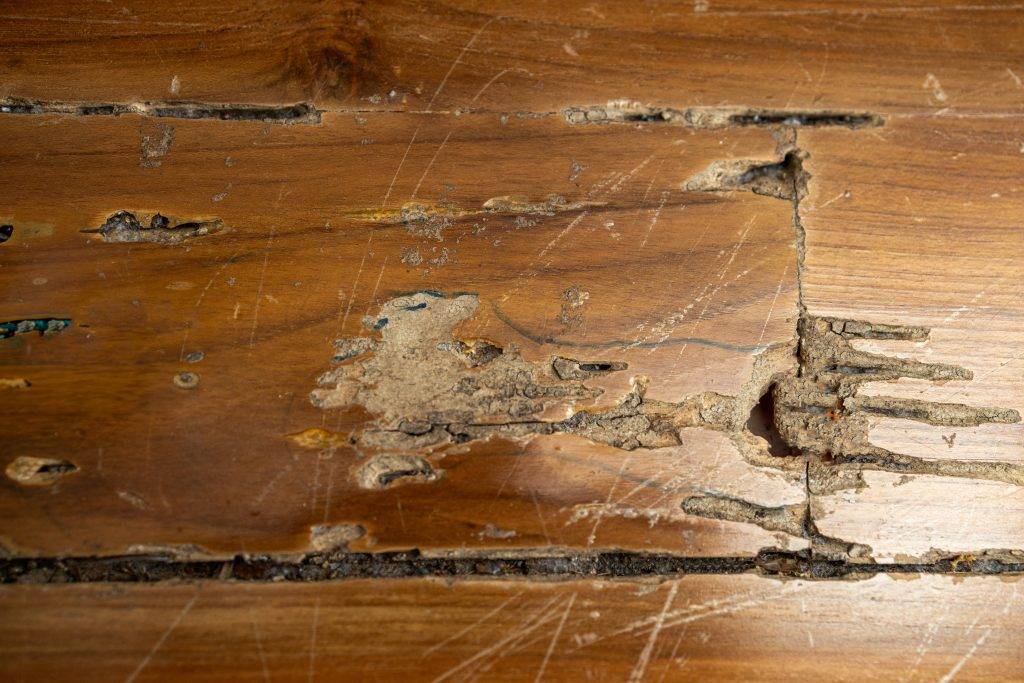
Water problems in a home aren’t always obvious. While many homeowners notice visible issues like ceiling stains or damp drywall, some of the most serious damage can be happening out of sight—beneath your floors. Water damage in subfloors can quietly weaken your home’s structure, create unhealthy living conditions, and lead to costly repairs if it goes undetected for too long. In areas like Newtown, where seasonal storms, aging plumbing, and everyday wear can all play a role, this type of damage is more common than many people realize.
Because subfloors are hidden below finished flooring, identifying the source and extent of moisture intrusion can be challenging. Homeowners often discover the problem only after floors begin to feel uneven, odors appear, or repairs become unavoidable. At that point, filing a water damage claim can feel overwhelming—especially when documentation and proper evaluation are required to fully understand what’s happening beneath the surface.
What Is Water Damage in Subfloors?
To understand why this issue can be so serious, it helps to know what a subfloor actually is. The subfloor is the structural layer beneath your finished flooring—whether that’s hardwood, tile, vinyl, or carpet. It provides stability and support for everything you walk on every day. When water damage in subfloors occurs, moisture seeps into this hidden layer and begins to weaken it over time.
Unlike surface-level water problems that dry quickly, moisture trapped below flooring materials can linger. This creates the perfect environment for wood rot, mold growth, and structural deterioration. Because homeowners can’t easily see what’s happening under their floors, damage may progress quietly until it becomes extensive and expensive to repair.
In many homes, subfloors are made of plywood or oriented strand board (OSB), both of which are highly vulnerable to moisture. Once these materials absorb water, they can swell, warp, and lose their strength. Left untreated, this kind of damage can compromise the safety and comfort of your home.
Common Causes of Water Damage in Subfloors
There are several ways moisture can find its way beneath your floors. Understanding these causes can help you recognize potential risks early and act before the damage worsens.
Plumbing Leaks
Small plumbing leaks are one of the most common culprits. A slow drip from a pipe under a sink, behind a wall, or beneath a bathroom floor can go unnoticed for months. Over time, this steady exposure leads to water damage in subfloors, even if there’s no visible water on the surface.
Appliance Failures
Dishwashers, washing machines, refrigerators, and water heaters all rely on hoses and connections that can fail unexpectedly. When these appliances leak, water often spreads across the floor and seeps down into the subflooring before it’s detected.
Roof Leaks
A damaged or aging roof doesn’t just affect ceilings. Water can travel through walls and framing before settling beneath floors, particularly on upper levels. This indirect path makes it harder to trace the source of moisture.
Flooding and Stormwater Intrusion
Heavy rains, poor drainage, or foundation issues can allow stormwater to enter your home. Even minor flooding can saturate flooring materials and cause lasting damage underneath, especially in basements and ground-level rooms.
Signs of Hidden Water Damage Under Your Floors
Because subfloors are concealed, the warning signs are often subtle at first. Paying attention to these indicators can help you catch problems earlier.
Soft or Sagging Floors
If certain areas of your floor feel spongy, bouncy, or uneven, it may signal that moisture has weakened the subfloor beneath. This is a common symptom of water damage in subfloors that has progressed beyond the early stages.
Warped Hardwood or Loose Tiles
Flooring materials react to moisture differently, but they almost always show distress. Hardwood may cup or buckle, while tiles can loosen or crack as the subfloor shifts below them.
Musty Odors and Mold Growth
Persistent musty smells are often a sign of trapped moisture. In some cases, mold may begin growing beneath the flooring before it becomes visible on walls or surfaces.
Unexplained Increases in Humidity
If certain rooms feel more humid than usual or require constant dehumidifier use, hidden moisture may be present below the floor. This can be an early clue that damage is developing out of sight.
Why Water Damage in Subfloors Is Often Missed by Insurance Companies
It’s important to understand that subfloor damage is not intentionally overlooked—it’s simply harder to identify. Water damage in subfloors occurs in a concealed area, and without invasive inspection methods, it can be difficult to fully assess during an initial evaluation.
Insurance professionals typically rely on visible evidence to determine the scope of damage. If moisture hasn’t yet caused obvious surface issues, the extent of the problem may not be immediately apparent. In many cases, flooring must be removed to reveal the true condition of the subfloor, which doesn’t always happen during early assessments.
Additionally, moisture-related damage can develop gradually. What starts as a minor issue may worsen over time, becoming noticeable only after structural materials have already been affected. This is why documentation, moisture readings, and thorough inspections play such a critical role when pursuing a water damage claim related to hidden areas of your home.
Get Help With a Water Damage Claim in Newtown
When dealing with damage beneath your floors, having professional guidance can make the process far less stressful. Filing a water damage claim involving subfloors often requires detailed documentation, accurate estimates, and a clear understanding of how moisture has impacted structural components.
Working with a public adjuster in Newtown allows homeowners to better understand the scope of their loss and ensure nothing is overlooked. A public adjuster focuses on evaluating damage thoroughly, including hidden areas like subfloors, and helps present the claim clearly and accurately.
Alliance Adjustment Group Is Here to Help
If you suspect water damage in subfloors or are struggling with a complex insurance process, Alliance Adjustment Group is ready to assist. Their experienced team understands how hidden moisture affects homes and knows how to navigate the claims process with care and professionalism.
Alliance Adjustment Group
📞 (267) 880-3000
📍 435 N Main St, Doylestown, PA 18901
Don’t let unseen damage compromise your home or delay your recovery. If you’re unsure how to move forward or want support from a trusted public adjuster in Newtown, contact Alliance Adjustment Group today for guidance, clarity, and peace of mind.