
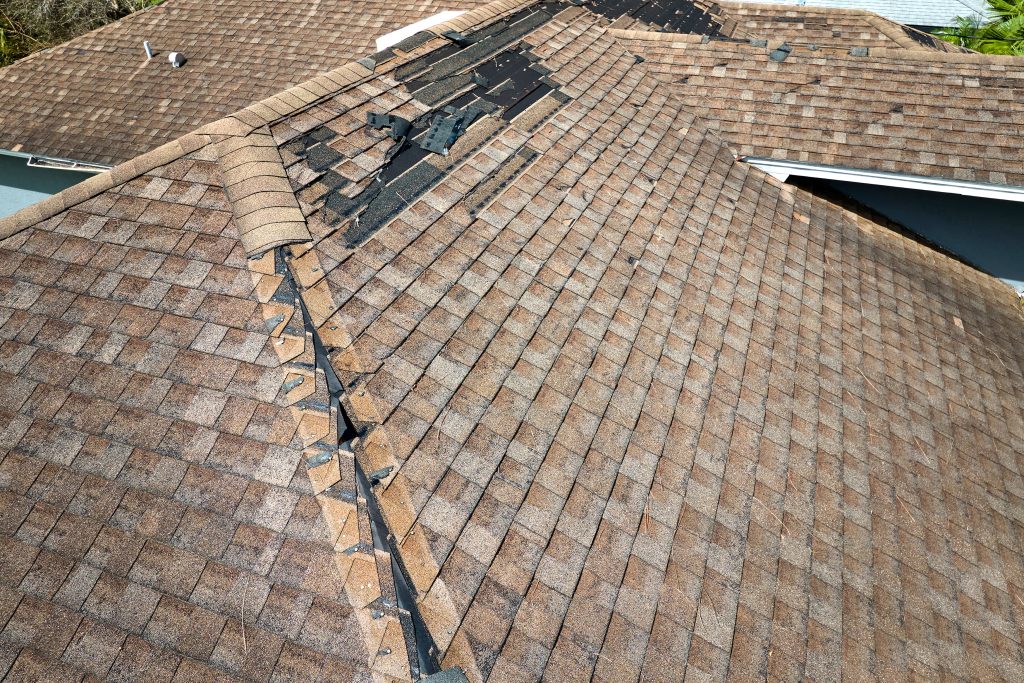
Roof damage rarely announces itself conveniently. A missing shingle after a windstorm, a slow drip in the ceiling, a section that looks “off” after a hard rain — and suddenly you’re deciding whether the situation is worth a call to your insurance company. In Pennsylvania, where storms, wind, and freeze-thaw cycles all take a toll on roofs, that decision comes up often. This guide walks through how coverage typically works, what to document before you file, and how to weigh the decision.
Will Homeowners Insurance Cover a Leaking Roof?
Whether a leak is covered usually comes down to why it’s leaking. If the leak followed a covered event — a storm, high winds, or a tree limb coming down on the house — most standard policies will cover the resulting repairs. Leaks caused by gradual wear, aging materials, or deferred maintenance typically fall outside standard coverage, since insurance is built to respond to sudden, accidental damage rather than the normal effects of time.
A few things matter once you notice a leak:
- Act quickly to limit further damage. Insurers generally expect reasonable steps — like a temporary tarp — to keep a small leak from becoming a bigger interior problem.
- Document as you go. Photos of the leak, any ceiling or wall damage, and anything pointing to a specific cause (a recent storm, debris on the roof) all support your claim.
- Get a professional opinion. A licensed roofer’s inspection can help confirm whether the leak traces back to a sudden event or ongoing wear — often the deciding factor in how an insurer responds.
Does Homeowners Insurance Cover Full Roof Replacement, or Just Repairs?
Whether your policy pays for a full replacement or only the repair of the damaged section depends on the cause of the damage, your policy’s terms, and your roof’s age and condition. A roof damaged extensively by a single event — a severe storm or a fire, for example — is more likely to qualify for full replacement than one with a small area of isolated damage.
A few factors worth checking in your policy:
- Age of the roof. Many policies adjust payouts based on roof age, and older roofs may be covered at depreciated (actual cash value) rather than full replacement cost.
- Type of damage. Damage from a named natural disaster is treated differently than damage attributed to gradual deterioration.
- Replacement cost vs. actual cash value. Some policies pay to replace the roof outright; others factor in depreciation and pay only the roof’s current value.
If you’re unsure which of these applies, a public adjuster can review your policy language and explain what your specific coverage allows before you decide how to proceed.
Documenting Roof Damage Before You File
Good documentation doesn’t guarantee a particular outcome, but it gives your insurer a clear, complete picture of what happened — which tends to make the process smoother. Before filing, it’s worth gathering:
- Photos from the ground. Wide shots from multiple angles establish the overall condition and visible damage. Avoid climbing onto the roof yourself; ground-level photos, plus zoomed-in shots where safe, are usually sufficient.
- Closer inspection photos, if it’s safe to get them. If a professional is already up there, ask them to photograph specific problem areas — missing shingles, exposed underlayment, cracked flashing.
- Dated weather and storm records. Local weather reports, National Weather Service storm data, or news coverage of a storm date can help tie the damage to a specific covered event.
- A licensed roofer’s written assessment. An independent inspection report describing the cause and scope of damage gives your insurer a professional, third-party account to work from.
Keeping these records together, with dates, before you file gives you a clearer sense of what you’re dealing with and makes any conversation with your insurer more straightforward.
Claiming Wind or Storm Damage on Your Roof
Wind and storm events are among the most common reasons Pennsylvania homeowners consider filing a roof claim. Once the weather clears, take a careful look at the roof from the ground — missing or lifted shingles, visible dents, or debris are all worth photographing right away, along with a video walk-around if possible.
From there, review your policy for how it defines and handles wind and storm damage, including any relevant deductibles, since these vary from policy to policy. If the storm involved hail specifically, coverage often hinges on the distinction between cosmetic and functional damage — we cover that in detail in Does Home Insurance Cover Hail Damage?, so we won’t repeat it here.
For wind and storm damage more broadly, having an experienced adjuster review the damage alongside you can help you understand what your policy covers and how to present the claim clearly.
Weighing the Decision: Should You File an Insurance Claim for My Roof?
At the end of the day, deciding whether to file comes down to a few practical questions: How extensive is the damage? What does your policy actually say about the cause? And how does the estimated repair cost compare to your deductible? If the damage is minor and close to your deductible amount, paying out of pocket may make more financial sense than filing. If the damage is significant, affects your roof’s function, or resulted from a clear covered event, filing is usually the more sensible path.
It’s also worth thinking beyond the immediate repair — a claim can factor into future premiums, so it’s reasonable to weigh the size of the claim against that longer-term picture. There’s no universal right answer here; it depends on your specific damage, policy, and circumstances.
If you’d like a second set of eyes on the decision, our team at Alliance Adjustment Group can walk through your documentation and policy with you and help you think through the options — without pressure to file one way or another.
Frequently Asked Questions
How old can my roof be and still be covered?
There’s no single age cutoff that applies across all policies — it depends on your specific insurer and policy terms. Many insurers do adjust how they calculate payouts as a roof ages, shifting from replacement cost to actual cash value after a certain point. Checking your policy directly, or asking your agent, is the most reliable way to find out how your roof’s age factors into your coverage.
Will my insurer require multiple estimates?
Some insurers ask for more than one repair or replacement estimate before processing a claim, while others accept a single detailed estimate along with an inspection report. Requirements vary by carrier, so it’s worth confirming what your specific policy calls for before you start collecting quotes.
What if the damage is only on one section of the roof?
Localized damage doesn’t automatically rule out a claim, but it can affect whether your insurer approves a full replacement or a section repair. Some policies and building codes require matching materials across an entire roof slope, which can factor into the outcome. A licensed roofer’s assessment can help clarify whether a partial repair is realistic or whether a broader replacement is warranted.
Do I need to file a claim right after the damage happens?
Most policies include a window for reporting damage, but waiting too long can complicate a claim — it may become harder to tie the damage to a specific date or event. As a general practice, documenting damage as soon as you notice it and reporting it promptly gives your insurer the clearest picture to work from.
Will filing a roof claim affect my premium?
It’s possible, though the impact varies by insurer, your claims history, and the size of the claim. This is one of the factors worth weighing when you’re deciding whether a smaller repair might be more sensible to handle out of pocket versus filing a claim for more extensive damage.
Ready to Talk Through Your Roof Claim?
Every roof and every policy is a little different, and the right decision depends on the specifics of your situation. If you’re not sure where your damage and your coverage line up, our team at Alliance Adjustment Group is happy to look at what you have and help you think it through. Contact us through our contact page or call us at (267) 880-3000 to talk through your options — there’s no obligation, just a clearer picture of where you stand.
Disclaimer: The information provided on this website is for general informational purposes only and does not constitute legal advice. While we strive to provide accurate and up-to-date information, insurance policies and regulations can vary. It is important to consult with your specific insurance provider or a qualified professional for advice tailored to your individual circumstances.