
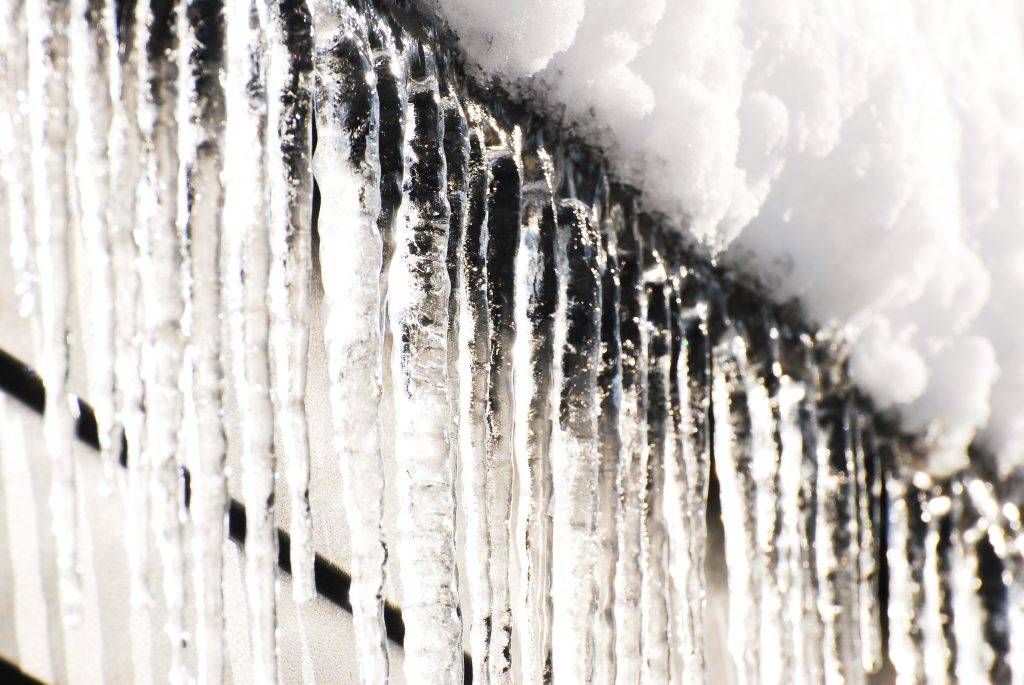
Winter storms can be beautiful from inside your home — until the snow and ice start causing unexpected damage. One of the most common (and costly) winter roofing problems homeowners face is an ice dam. These thick ridges of ice form along the edge of your roof, preventing melting snow from draining properly. Instead, water can back up under shingles and leak into your home, leading to interior water damage, ruined insulation, and expensive repairs.
If you’re dealing with this type of winter issue, you may be wondering what your policy actually covers. Understanding ice dam insurance coverage is an important first step toward protecting your home and avoiding unnecessary stress during the claims process.
The good news is that many homeowners insurance policies may provide help in these situations — but filing a claim correctly matters. Knowing how to navigate a winter storm damage insurance claim can make a major difference in how smoothly the process goes and what kind of settlement you ultimately receive.
If you’re unsure about what your policy includes, working with an experienced professional can help you understand your options and avoid costly mistakes.
Does Homeowners Insurance Cover Ice Dam Damage?
One of the first questions homeowners ask after discovering a roof leak or water damage during the winter is: does homeowners insurance cover ice dam damage? The answer is often yes—depending on the specific situation and the details of your policy.
In many cases, ice dam insurance coverage may apply when an ice dam causes sudden and accidental damage to your home. Ice dams typically form when snow melts on a warmer part of the roof, then refreezes near the edges. Over time, this creates a thick ridge of ice that prevents proper drainage. When water has nowhere to go, it can back up under shingles and enter your home.
When Ice Dam Damage Is Commonly Covered
Homeowners insurance policies often cover damage related to ice dams when it results in:
- Water leaking into your attic or ceilings
- Damage to drywall, insulation, or interior walls
- Mold issues that develop from hidden moisture
- Roof collapse caused by the weight of ice buildup
The key factor is that the damage is usually considered a sudden winter-related event, not something that developed over many years.
Why Policy Details Matter
Every insurance policy is different, and coverage can vary depending on:
- The cause of the damage
- How quickly the issue was addressed
- Whether the home was properly maintained
- Specific exclusions written into the policy
That’s why it’s always helpful to review your coverage carefully and document everything as soon as damage occurs.
Understanding your ice dam insurance coverage early can make a major difference in how smoothly the claims process goes—and how much support you receive for repairs.
How Do You File a Winter Storm Damage Insurance Claim?
If an ice dam leads to water intrusion or roof damage, taking the right steps early can make the claims process much smoother. Filing a winter storm damage insurance claim doesn’t have to feel overwhelming, especially when you know what to do from the start.
Below is a simple step-by-step guide homeowners can follow after discovering damage related to ice or snow.
Document Damage Immediately
As soon as you notice signs of a problem—such as ceiling stains, dripping water, or ice buildup along the roofline—start documenting everything.
Helpful documentation includes:
- Photos of the ice dam and affected areas
- Videos of active leaking or water intrusion
- Notes about when you first noticed the issue
- Any visible interior or exterior damage
Clear documentation supports your claim and helps explain the situation to your insurance provider.
Prevent Further Loss
Most policies expect homeowners to take reasonable steps to prevent additional damage. This doesn’t mean making major repairs right away, but it does mean doing what you can safely.
Examples include:
- Placing buckets under leaks
- Moving furniture away from water
- Using towels or tarps to limit interior damage
- Hiring emergency mitigation services if needed
These actions show that you acted responsibly after the storm.
Contact Your Insurance Company
Once damage is documented, the next step is to notify your insurance company promptly. The insurer will explain the claim process, assign an adjuster, and provide guidance on what information they need.
It’s important to stay organized, ask questions if anything is unclear, and keep communication professional and timely.
Many homeowners find that starting the claim early helps prevent delays and keeps repairs moving forward.
Keep Receipts
During winter storm cleanup and temporary repairs, you may have expenses that are reimbursable under your policy.
Be sure to save receipts for:
- Emergency roof tarping
- Water mitigation services
- Damaged personal property
- Hotel stays (if the home becomes unlivable)
Keeping accurate records can strengthen your ice dam insurance coverage claim and ensure nothing is missed.
Be Cautious With Quick Settlement Offers
Sometimes, insurance companies may offer an early settlement amount based on initial assessments. While this can be helpful in some situations, it’s important to make sure the full extent of the damage has been properly evaluated.
Ice dam damage can sometimes involve hidden moisture behind walls or insulation, so taking time for a thorough review is often a smart approach.
Pro Step: Get Support From a Public Adjuster Who Works for You
Filing a winter claim can involve detailed paperwork, inspections, and repair estimates. That’s where professional support can make a big difference.
A licensed public adjuster can help homeowners:
- Understand their policy and coverage
- Document damages thoroughly
- Communicate clearly throughout the process
- Pursue a fair and accurate settlement
At Alliance Adjustment Group, we work for you—not the insurance company—so you don’t have to handle the claim alone. If you need help with ice dam insurance coverage or the next steps after winter damage, our team is here to guide you.
What to Do If Your Ice Dam Insurance Claim Is Denied
A claim denial can feel frustrating, but it doesn’t always mean the process is over. If you believe your ice dam insurance coverage should apply, there are still important steps you can take.
Review the Denial Explanation
Insurance companies typically provide a written reason for the denial. Reading this carefully can help you understand what information may be missing or what part of the policy was referenced.
Keep Receipts and Documentation
Continue saving receipts and records related to:
- Temporary repairs
- Water mitigation
- Contractor inspections
- Damaged personal property
Strong documentation can support a reconsideration of your claim.
Consider Professional Claim Help
If your claim is denied or undervalued, working with a licensed public adjuster can help clarify your options and strengthen your case. Many homeowners turn to professional support when dealing with complex winter losses.
Pennsylvania Law and Denied Claims
In Pennsylvania, insurance companies are expected to follow fair claim-handling practices under state regulations, including standards outlined in the Unfair Insurance Practices Act. Homeowners have the right to request clear explanations and submit additional evidence when appropriate.
Pro Step: Call Us for Further Help — We Work for You
If you’re unsure what to do next, Alliance Adjustment Group can help homeowners across PA and NJ navigate denied claims and pursue the coverage they deserve.
How a Local Public Adjuster Can Help With Ice Dam Insurance Claims
Dealing with winter roof leaks and interior water damage can be stressful, especially when you’re trying to understand what your policy covers and how to move forward. That’s where working with a local expert can make a big difference.
A public adjuster helps homeowners navigate the insurance process by:
- Evaluating the full scope of damage
- Organizing proper documentation
- Communicating clearly throughout the claim
- Ensuring nothing is overlooked during inspections
When it comes to ice dam insurance coverage, having professional guidance can help homeowners feel more confident and supported from start to finish.
At Alliance Adjustment Group, we work with homeowners across Pennsylvania and New Jersey, providing trusted help with winter-related property damage claims.
Alliance Adjustment Group
435 N Main St, Doylestown, PA 18901
Call Us:
267-880-3000 (local)
888-890-2288 (toll free)
If you’re feeling uncertain about your claim or need help making sure nothing gets overlooked, working with a trusted public adjuster can bring clarity and confidence to your situation. At Alliance Adjustment Group, we work for homeowners—not insurance companies—to help you navigate even the most complex claims.
Whether it’s understanding coverage details, organizing damage documentation, or presenting your claim effectively, our team is here to support you through every step.
Disclaimer:
The information provided on this website is for general informational purposes only and does not constitute legal advice. While we strive to provide accurate and up-to-date information, insurance policies and regulations can vary. It is important to consult with your specific insurance provider or a qualified professional for advice tailored to your individual circumstances.