
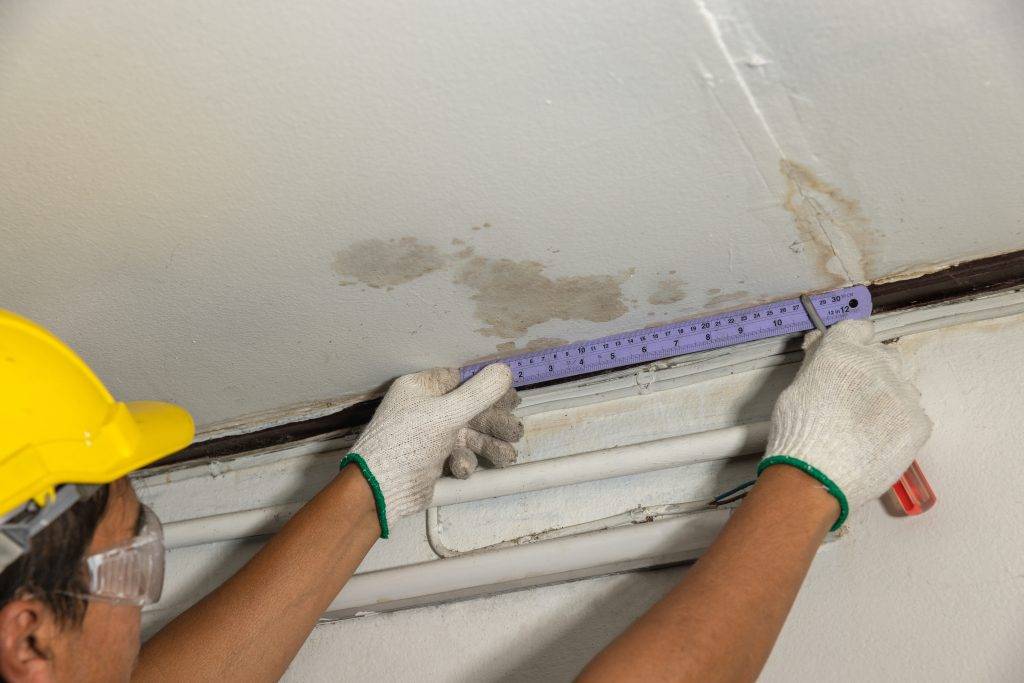
Water damage is one of the most common — and most misunderstood — types of homeowners insurance claims. What starts as a burst pipe or a failed sump pump can quickly turn into a complicated process involving categories of water, structural assessments, and policy language that isn’t always easy to interpret on your own.
At Alliance Adjustment Group, we work with homeowners across Bucks and Montgomery Counties who are trying to understand how to maximize a water damage claim, often for the first time. Below, we walk through the factors that shape how a claim is evaluated, the documentation that supports it, and the common missteps that can make the process harder than it needs to be.
What Determines the Value of a Water Damage Claim in Pennsylvania
Learning how to maximize a water damage claim starts with understanding what actually determines its value. Several factors go into how an insurer evaluates a water damage claim, and knowing them ahead of time can help you know what to expect as your claim moves forward.
Category of Water
Water damage is typically classified into three categories, and the category assigned to your loss affects both the remediation approach and how the claim is handled:
- Category 1 (clean water) comes from a sanitary source, such as a supply line or an overflowing sink. It generally poses the lowest health risk and the most straightforward remediation path.
- Category 2 (gray water) contains some contamination — for example, water from a washing machine, dishwasher, or a toilet overflow without solid waste. It typically requires more thorough cleaning and monitoring for bacterial growth.
- Category 3 (black water) is grossly contaminated, such as water from sewage backups or flooding that has picked up outside contaminants. This category usually requires the most extensive remediation, including removal of porous materials that can’t be safely cleaned.
The category matters because it affects the scope of work an insurer is likely to approve, and because contamination level can influence how quickly water needs to be addressed to prevent further loss.
Extent of Structural Damage
Surface-level water damage — a stained ceiling or a few feet of wet drywall — is assessed differently than water damage that has reached subfloors, framing, insulation, or electrical systems. A thorough assessment of how far the water traveled and what it touched, not just what’s visible, is central to an accurate claim value. This is one of the most common areas where the initial estimate and the actual scope of damage don’t match, particularly when moisture has spread behind walls or under flooring.
Policy Limits
Your policy’s dwelling coverage, personal property coverage, and any sub-limits for specific types of loss (such as water backup or sump pump overflow, which are often separate, optional coverages) set the outer boundary of what can be paid. It’s worth reviewing your declarations page early in the process so you understand which coverages apply to your specific loss and what limits exist for each.
Documentation That Strengthens Your Claim
One of the most practical ways to approach how to maximize a water damage claim is through the documentation gathered in the first days after the damage occurs. This plays a significant role in how a claim is evaluated. A few concrete steps can make a meaningful difference:
- Photograph and video everything before remediation begins. Once cleanup or repairs start, the original condition of the damage is gone. Wide shots of each affected room, along with close-ups of specific damage (water lines on walls, warped flooring, damaged belongings), give a clear record of what occurred.
- Build an itemized inventory of damaged personal property. Include a description of each item, its approximate age, and, where possible, proof of purchase or value. This supports the personal property portion of your claim and reduces back-and-forth later in the process.
- Get a professional scope of the damage. A written assessment from a licensed contractor or restoration professional documents the extent of the damage in technical terms, which can help clarify what’s included in the loss versus what may be considered pre-existing or unrelated.
- Keep a written log of key dates and communications. Note when you first noticed the damage, when you reported it, and the substance of any calls or emails with your insurer or their adjuster.
Actual Cash Value vs. Replacement Cost Value
How your claim is paid often depends on whether your policy settles losses at Actual Cash Value (ACV) or Replacement Cost Value (RCV). In short, ACV factors in depreciation based on the age and condition of the damaged item or material, while RCV covers the cost to repair or replace it without deducting for depreciation — though RCV payments are often issued in two parts, with the depreciated amount released first and the remainder paid once repairs are completed and documented.
Common Mistakes That Reduce a Water Damage Settlement
Even straightforward water damage claims can end up underpaid when a few common missteps occur along the way:
- Delaying documentation. Waiting even a day or two to photograph damage — while everyday life understandably takes priority — can mean losing the chance to capture the full extent of the loss before drying, cleanup, or further damage changes the scene.
- Starting repairs before documenting the damage. Most policies require you to take reasonable steps to prevent further damage, but full repairs before an adjuster has seen (or thoroughly documented) the loss can make it harder to substantiate the original scope.
- Not reading policy sub-limits closely. Many policies cap coverage for specific causes of loss, such as water backup from a sump pump or sewer line, at an amount lower than the dwelling’s overall coverage limit. Assuming your full dwelling limit applies to every type of water loss can lead to an unwelcome surprise.
- Treating the initial estimate as final. An initial inspection may not capture damage that becomes visible only after walls are opened or flooring is removed. Supplemental documentation can matter as much as what’s gathered on day one.
- Overlooking additional living expenses. If your home is temporarily uninhabitable, your policy may include coverage for hotel stays or other costs under a “loss of use” provision — costs that are easy to forget to track and submit.
A Note on Claim Timelines in Pennsylvania
Pennsylvania insurers are subject to state standards, under 40 P.S. § 1171.5, that govern how promptly they must acknowledge, investigate, and respond to claims. If your water damage claim is moving more slowly than you’d expect, it’s reasonable to ask your insurer where things stand and what’s causing the delay.
Frequently Asked Questions About How to Maximize a Water Damage Claim
How long do I have to file a water damage claim in Pennsylvania?
Timeframes vary by policy, so the specific deadline for filing and for submitting supporting documentation is set out in your individual policy — it’s worth checking your declarations page or contacting your insurer directly to confirm the timeline that applies to you. In general, reporting a loss as soon as it’s discovered helps keep the documentation process straightforward.
What’s the difference between a water damage claim and a flood claim?
Homeowners insurance typically covers water damage that is sudden and accidental, such as a burst pipe or an appliance failure. Damage caused by rising water from outside the home — flooding from a storm, overflowing waterways, or similar events — is generally excluded from standard homeowners policies and instead falls under separate flood insurance, most often through the National Flood Insurance Program or a private flood policy.
Does filing a water damage claim affect my premium?
It can, depending on your insurer and your claims history. Some carriers consider prior water damage claims when calculating renewal premiums, particularly if there have been multiple losses. Your agent can speak to how your specific carrier handles this.
Is mold damage covered under a water damage claim?
Coverage for mold varies significantly by policy. Some policies include limited mold coverage when the mold results directly from a covered water loss, while others exclude it or cap the amount payable. Reviewing your policy’s mold provisions — or asking your insurer directly — is the best way to know where you stand.
Do I need a public adjuster for a water damage claim?
Not every claim requires a public adjuster, but for losses involving significant structural damage, contested scope, or a settlement that doesn’t seem to reflect the extent of the damage, a public adjuster can help review the claim and communicate with your insurer on your behalf.
We’re Here to Help
Understanding how to maximize a water damage claim involves a lot of moving pieces — categories of water, documentation, policy language, and timelines that aren’t always intuitive. If you’re working through a water damage claim in Bucks, Montgomery County, or the surrounding area and have questions about your policy or the process, our team at Alliance Adjustment Group is available to talk through your specific situation. Call us at (267) 880-3000 or reach out through our contact page to speak with someone about your claim.
Disclaimer: The information provided in this article is for general informational purposes only and does not constitute legal or insurance advice. Insurance policies, regulations, and claim procedures vary by carrier, policy terms, and state. Laws referenced are current as of the date of publication but are subject to change. For guidance specific to your situation, consult with a licensed public adjuster, insurance professional, or attorney.