
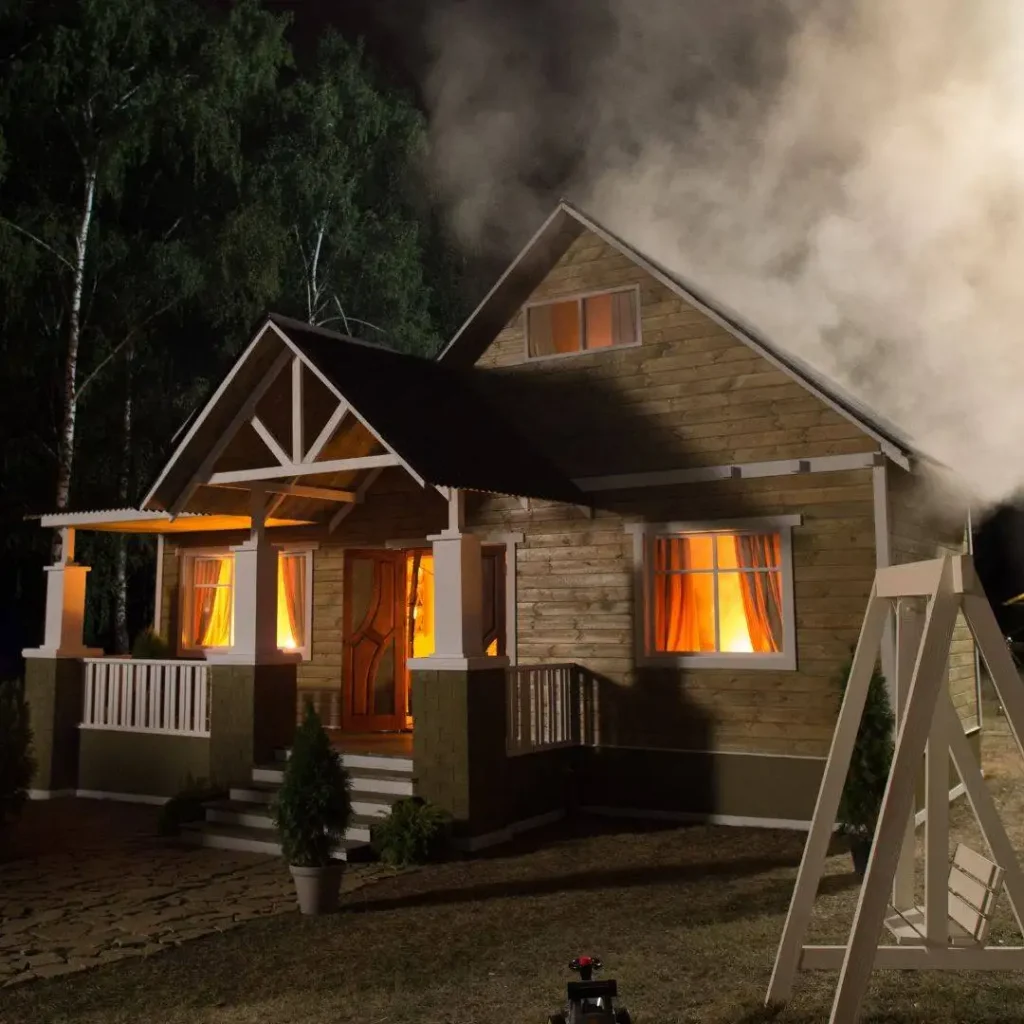
A house fire is one of the most disorienting things a homeowner can go through. Even after the smoke clears and everyone is safe, there’s still a claim to file, an adjuster to work with, and a long list of decisions to make while you’re still processing what happened. Knowing how to file an insurance claim for fire damage — and what to expect at each stage — can make that process feel a lot less overwhelming.
Immediate Steps to Take After a Fire
Before anything related to the claim, safety comes first. Only re-enter your home once the fire department has confirmed it’s safe to do so — structural damage isn’t always visible, and floors, ceilings, and electrical systems can be compromised even after flames are out.
Once you and your family are safe, a few things typically need to happen fairly quickly:
- Contact your insurance provider. Most policies require “prompt notice” of a loss, and starting the process early helps avoid any question about delayed reporting. A phone call is a reasonable first step, but plan to follow it up in writing (more on that below).
- Ask about temporary housing. If your home is unsafe or uninhabitable, most homeowners and renters policies include Additional Living Expenses (ALE) coverage, sometimes called “loss of use.” This can help pay for a hotel, short-term rental, meals above your normal food budget, and other reasonable costs while repairs are underway. Ask your insurer directly what ALE covers under your policy and what documentation (receipts, a place to stay, dates) they’ll want to see.
- Take reasonable steps to prevent further damage. Insurers generally expect policyholders to protect the property from additional loss — boarding up broken windows, covering an open roof, or shutting off utilities if instructed to do so by the fire department. Keep receipts for any materials or services you pay for; these costs are often reimbursable.
- Avoid major cleanup or disposal before documenting damage. It’s tempting to start clearing debris right away, but doing so before you’ve photographed and inventoried the loss can make it harder to substantiate your claim later.
How to File an Insurance Claim for Fire Damage, Step by Step
Once the immediate safety and housing questions are addressed, the claim itself moves through a fairly predictable sequence.
- Notify your insurer in writing. Follow your initial phone call with a written notice — an email or letter that includes the date of the fire, a brief description of what happened, and a request for your claim number and adjuster contact information. This creates a clear record of when and how you reported the loss, which can matter if there’s ever a question about timing.
- Ask about an advance or emergency payment. Many insurers can issue a partial advance against the claim before the full assessment is complete, particularly for urgent needs like temporary housing, board-up services, or emergency repairs. Not every policy or insurer offers this, but it’s worth asking directly rather than assuming it isn’t available.
- Document the damage room by room. Before repairs or cleanup begin, walk through the property methodically and photograph or video every room — including areas that don’t look obviously damaged. Fire and smoke rarely stay contained to one part of a structure, and damage that isn’t visible on the surface can still be part of a legitimate claim. For each room, note:
- Structural damage (walls, ceilings, flooring, windows)
- Damaged or destroyed personal property, with make/model and approximate age where possible
- Visible smoke or soot residue, even if faint
- Any water pooling, staining, or dampness
- Distinguish direct fire damage from smoke and water damage. A fire claim usually involves more than the areas actually burned. Three categories tend to come up:
- Direct fire damage — structural and material damage from the flames themselves.
- Smoke and soot damage — residue and odor that can spread well beyond the room of origin, often through HVAC ductwork, and can affect fabrics, electronics, and painted surfaces.
- Water damage from firefighting efforts — water used to extinguish the fire can soak flooring, drywall, and insulation, sometimes leading to secondary issues like mold if not addressed quickly.
Each of these can be treated differently depending on your policy’s language, so it’s worth documenting them as distinct categories rather than lumping everything together as “fire damage.”
- Keep a communication log. Track every call, email, and in-person interaction with your insurer — date, who you spoke with, and what was discussed or agreed to. This becomes useful if there’s ever a disagreement about what was said or promised earlier in the process.
- Complete and submit your proof of loss. Your insurer will eventually ask for a formal proof of loss — an itemized statement of what was damaged or destroyed and its value. Being thorough here matters: incomplete or vague submissions are one of the more common causes of delay.
What’s Typically Covered — and What Often Gets Disputed
Standard homeowners and commercial property policies generally include a few core categories of fire-related coverage:
- Dwelling coverage — repair or rebuilding costs for the structure itself.
- Personal property coverage — the contents of the home or business, whether damaged by direct flame, smoke, or water.
- Additional Living Expenses (ALE) — temporary housing and related costs while the property is unlivable.
Coverage details vary by policy, so specific limits, deductibles, and exclusions should always be confirmed directly with your insurer or in your policy documents.
A few areas tend to generate disagreement between policyholders and insurers:
- Smoke damage in rooms that weren’t near the fire. Because smoke and soot can travel through ductwork and settle in rooms far from the point of origin, insurers sometimes push back on claims for areas that don’t show obvious surface damage. Documentation — including professional testing when available — can help support these claims.
- Soot contamination in HVAC systems. It’s common for an initial estimate to overlook duct cleaning or HVAC component replacement, even when soot has clearly circulated through the system.
- Total loss valuation. When a home is destroyed beyond repair, how the payout is calculated (replacement cost versus actual cash value, and how ordinance-or-law upgrades to current building codes are factored in) can differ significantly from what a homeowner expects. It’s worth asking your insurer to walk through exactly how their valuation was calculated.
None of this means an insurer is acting in bad faith — claims adjusting is a detailed process, and disagreements over scope and value are a normal part of it. But understanding where these disputes commonly arise can help you ask better questions along the way.
When to Bring in a Public Adjuster
Most fire claims can move forward with direct communication between you and your insurance company. That said, some situations — a total loss, extensive smoke and water damage on top of structural repairs, or a claim that feels stalled or undervalued — are complex enough that having a licensed professional review the policy and documentation can be helpful.
A public adjuster works on behalf of the policyholder rather than the insurance company, handling documentation, policy review, and communication with the insurer. At Alliance Adjustment Group, our fire damage claims services are built around that kind of support, if it’s something you’d find useful.
Frequently Asked Questions
What’s the difference between a fire damage claim and a smoke damage claim?
They’re often part of the same overall claim rather than two separate ones. Fire damage refers to areas directly affected by flames, while smoke damage refers to residue, staining, and odor that can spread to rooms not touched by fire itself — sometimes traveling through HVAC ductwork. Both are typically documented and claimed together, but insurers may evaluate them differently depending on policy language.
Will my insurer pay for temporary housing while my home is being repaired?
In most cases, yes — this is generally covered under Additional Living Expenses (ALE) or “loss of use” coverage, which is a standard part of most homeowners and renters policies. Coverage limits, eligible expenses, and documentation requirements vary by insurer, so it’s worth confirming the specifics directly with your claims representative early in the process.
How is a total loss valued differently than a partial loss?
A partial loss is typically valued based on the cost to repair the specific damaged areas. A total loss, where the home is destroyed beyond reasonable repair, is usually valued based on your policy’s dwelling coverage limit and may involve additional considerations like ordinance-or-law coverage for code-required upgrades. The valuation method (replacement cost versus actual cash value) also plays a significant role in how the payout is calculated.
Do I need to move out immediately after a fire?
If the fire department or your insurer determines the property is unsafe or uninhabitable, yes. Even if the damage looks limited, structural, electrical, or air quality concerns aren’t always visible right away, so it’s worth having the property professionally assessed before deciding it’s safe to remain.
What if my insurer’s initial estimate seems low?
It’s not unusual for an initial estimate to miss secondary damage — particularly smoke residue in unaffected rooms or soot in HVAC systems — since these aren’t always visible during a first walkthrough. You can request a re-inspection, submit additional documentation, or have a public adjuster review the estimate against your own documentation of the loss.+
Questions About Your Fire Damage Claim?
Filing a fire damage claim involves a lot of moving pieces, and it’s normal to have questions along the way. If you’re in the middle of a fire claim and want a second set of eyes on your documentation or your insurer’s estimate, our team at Alliance Adjustment Group is available to talk through your situation. You can reach us at (267) 880-3000. Or through our contact page.
Disclaimer: This information is provided for general educational purposes and does not constitute legal advice. Insurance policies vary, so consult your specific policy or a licensed professional for guidance tailored to your situation.