
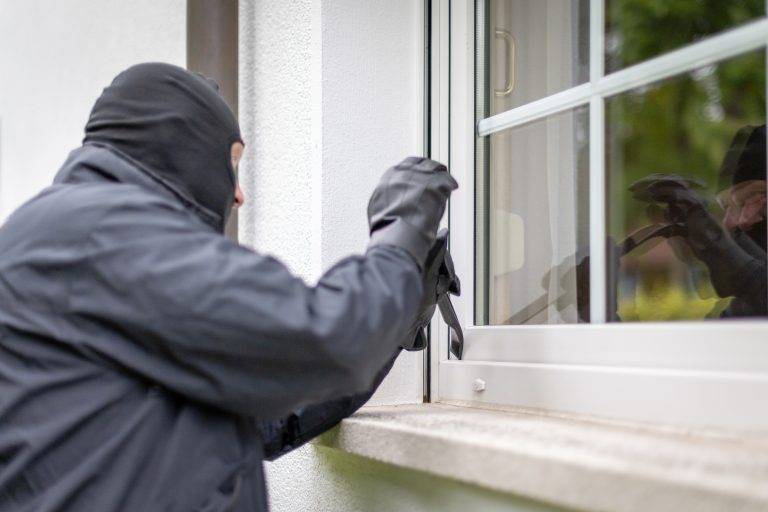
You unlock the door one morning and find a shattered window, empty shelves, and missing equipment. Once everyone is safe, the first question most owners ask is simple: does business insurance cover theft? Or, put another way, does my commercial property insurance cover theft?
The honest answer is that it often does, but the details matter. Many owners say “business insurance” when they mean their commercial property insurance policy, which is the part of a business insurance package that protects buildings, equipment, and inventory. Whether a theft is covered depends on how it happened, who took the property, what was taken, and the specific wording of your policy.
At Alliance Adjustment Group, we help business owners across Pennsylvania make sense of these questions after a loss. In this guide, we walk through what commercial property (business) insurance typically covers, how break-ins differ from employee theft, how to file a theft claim, and where a public adjuster fits in.
What Commercial Property (Business) Insurance Typically Covers
Commercial property insurance, often bundled into what owners call business insurance, protects the physical things your company owns or is responsible for. A typical policy may cover:
- The building itself, if you own it
- Business personal property, such as furniture, fixtures, computers, and tools
- Inventory, stock, and raw materials
- Signage, fencing, and other exterior property listed in the policy
- Tenant improvements you paid for in a leased space
These items are protected against “covered causes of loss,” also called perils. Common examples include fire, smoke, wind, hail, lightning, explosion, vandalism, and certain types of water damage.
Named-Peril vs. Special-Form Policies
How your policy lists those perils makes a real difference for theft. A named-peril policy (often called a basic or broad form) covers only the events it specifically names, and many of these forms do not include theft at all. A special-form policy, sometimes called “open-peril” or “all-risk,” covers any cause of loss that is not specifically excluded or limited, and theft is usually included, subject to conditions.
Coverage That May Require a Separate Policy or Endorsement
Some theft-related losses fall outside a standard property form. Depending on your situation, you may need:
- Commercial crime or employee dishonesty coverage for theft by employees, forgery, or certain types of fraud
- Inland marine coverage for tools and equipment that travel to job sites or sit in vehicles
- Business income coverage for lost revenue while you recover from a covered loss
If you are not sure which pieces your business insurance package includes, your declarations page and endorsement list are the best place to start. The NAIC offers a helpful overview of how endorsements work.
Does Business Insurance Cover Theft, Break-Ins, and Employee Theft?
If you are asking, “Does my commercial property insurance cover theft?” the answer in many cases is yes, but business insurance treats theft differently depending on who took the property and how. The most important distinction is between external theft (someone from outside the business) and internal theft (an employee or other insider). These two situations are often handled under different coverage parts with different terms.
External Theft: Break-Ins and Burglary
When an outsider breaks into your premises and steals property, a special-form commercial property policy will often respond. Coverage may include:
- Stolen inventory, equipment, computers, and furniture
- Damage to doors, locks, windows, and walls caused during the break-in
- Vandalism that happens during the same incident
Even with a covered break-in, a few common conditions can affect the claim:
- Signs of forced entry. Visible damage helps show how the theft occurred. Losses with no clear explanation may be treated differently.
- Mysterious disappearance and inventory shortages. Many policies exclude property that is simply missing, or a shortage discovered only by comparing inventory counts, when no theft can be identified.
- Special theft limits. Some categories of property, such as jewelry, furs, precious metals, or patterns and dies, may carry a lower dollar limit for theft.
- Money and securities. Cash, checks, and securities are generally not covered under a standard property form and are usually addressed through crime coverage.
- Vacancy. If a building has been vacant beyond the period stated in the policy, theft coverage may be limited or suspended.
Internal Theft: Employee Dishonesty
Employee theft is where many business owners are surprised. Standard commercial property forms commonly exclude dishonest acts by employees, partners, or anyone entrusted with the property. That means a stolen laptop after a burglary and the same laptop taken by a staff member may be evaluated under completely different rules.
Internal theft is typically addressed by a separate commercial crime policy or an employee dishonesty endorsement. These coverages often have their own:
- Limits, which may be lower than your property limits
- Discovery or reporting windows, measured from when you first learned of the loss
- Proof requirements, such as records showing which employee was involved and how the loss was calculated
Because internal theft can unfold over months, documentation like bank statements, inventory records, and accounting reports often plays a larger role than it does after a single break-in.
Off-Premises Theft
Property stolen from a work truck, a job site, or a storage unit may not fall under your building’s property coverage at all. Contractors and service businesses often rely on inland marine or equipment floater coverage for these losses. Our team often reviews theft and vandalism claims involving property taken away from the main business location.
Deductibles and Policy Limits
Even when a theft is covered, your deductible applies first, and payment is capped by your limits and any sublimits. A coinsurance clause may also reduce a payment if the property was insured for less than the required percentage of its value. Reviewing these figures before a loss makes it easier to set realistic expectations afterward.
How to File a Theft Claim for a Business Property Loss
A clear, organized start makes the rest of the claim process easier for everyone involved, including your insurer. These are the steps we recommend after a commercial theft.
- Report the theft to the police. Most insurers ask for a police report for theft claims. Give accurate details, write down the case number, and request a copy of the report.
- Notify your insurance company promptly. Policies require timely notice, and crime coverage may have specific reporting deadlines. Share the date, a brief description of what happened, and the police case number. It is fine to say a full inventory of losses is still in progress.
- Document everything. Take photos and video of entry points, damage, and empty shelves or storage areas before cleanup. Save surveillance footage and alarm logs, which may be overwritten automatically after a set number of days.
- Build a list of stolen property. Include descriptions, quantities, serial numbers, and approximate values. Purchase invoices, inventory reports, and accounting records help support each item.
- Protect the property from further loss. Most policies require reasonable steps to secure the premises, such as boarding windows or changing locks. Keep receipts, since these costs may be reimbursable.
- Cooperate with the insurance adjuster. The carrier will assign an adjuster to review the loss. Respond to requests for information, keep copies of everything you send, and note the date of each conversation.
How a Public Adjuster Helps With a Commercial Theft Claim
The adjuster your insurance company assigns represents the carrier. A public adjuster is a licensed professional who represents the policyholder instead. Both roles are part of a normal claim process, and many theft claims move forward smoothly between a business owner and the insurer alone.
Some owners choose to bring in a public adjuster when a claim feels too large or time-consuming to manage alongside running the business. That is often the case with multi-location losses, large inventory losses, or situations where both property and crime coverage may apply.
When we work with a business owner, our team typically helps by:
- Reviewing the policy, endorsements, and any crime coverage to identify which provisions may apply
- Organizing the inventory of stolen and damaged property, along with supporting records
- Preparing a detailed, documented claim presentation for the insurer
- Handling communication with the carrier’s adjuster so you can focus on reopening
- Reviewing the insurer’s response and explaining what it means for your business
We cannot predict or guarantee the outcome of any claim, since every policy and loss is different. What we can offer is a clear, well-documented process and a team that understands commercial policy language. Our team handles commercial claims for businesses of all sizes, from single storefronts to multi-location operations.
Frequently Asked Questions
Is employee theft covered the same way as a break-in?
Usually not. Standard commercial property policies often exclude dishonest acts by employees. Employee theft is typically covered under a separate commercial crime policy or an employee dishonesty endorsement, which may have its own limits, reporting deadlines, and documentation requirements.
Do I need a police report to file a theft claim?
In most cases, yes. Most insurers ask for a police report as part of a theft claim, and some policies require that the police be notified. Filing a report quickly also creates an official record of the date and details of the loss.
Does my policy cover stolen inventory differently than stolen equipment?
It can. Both are generally treated as business personal property, but they may be valued differently. Inventory is often valued at your cost to replace it, while equipment may be valued at replacement cost or actual cash value, depending on your policy. Some policies also apply separate sublimits to certain types of property.
Does business insurance cover stolen cash?
Cash and securities are generally not covered under a standard commercial property form. Theft of money is usually addressed through commercial crime coverage, which may include protection on premises, in transit, or against employee theft.
Is theft from a work vehicle or job site covered?
It depends on your coverage. Property stolen away from your insured location may need inland marine or equipment floater coverage. Theft of tools from a vehicle may also be limited by policy conditions, so it helps to review these terms before the equipment leaves your shop.
Questions About a Commercial Theft Claim? Alliance Adjustment Group Is Here to Help
A theft can shake your confidence in the space you worked hard to build, and the insurance questions that follow can feel just as unsettling. You do not have to sort through them alone.
At Alliance Adjustment Group, we are happy to review your situation, walk through your commercial property or business insurance policy with you, and explain your options in plain language. Whether your claim has just started or you have questions about a decision you received, call our team at (267) 880-3000 or reach out through our contact page. We are available 24 hours a day, 7 days a week.
If you would rather talk in person, you are welcome to stop by our office at 435 N Main St, Doylestown, PA 18901.
Disclaimer: The information in this article is for general informational purposes only and does not constitute legal advice. Insurance policies and regulations vary, so please review your specific policy or consult a qualified professional about your circumstances.