
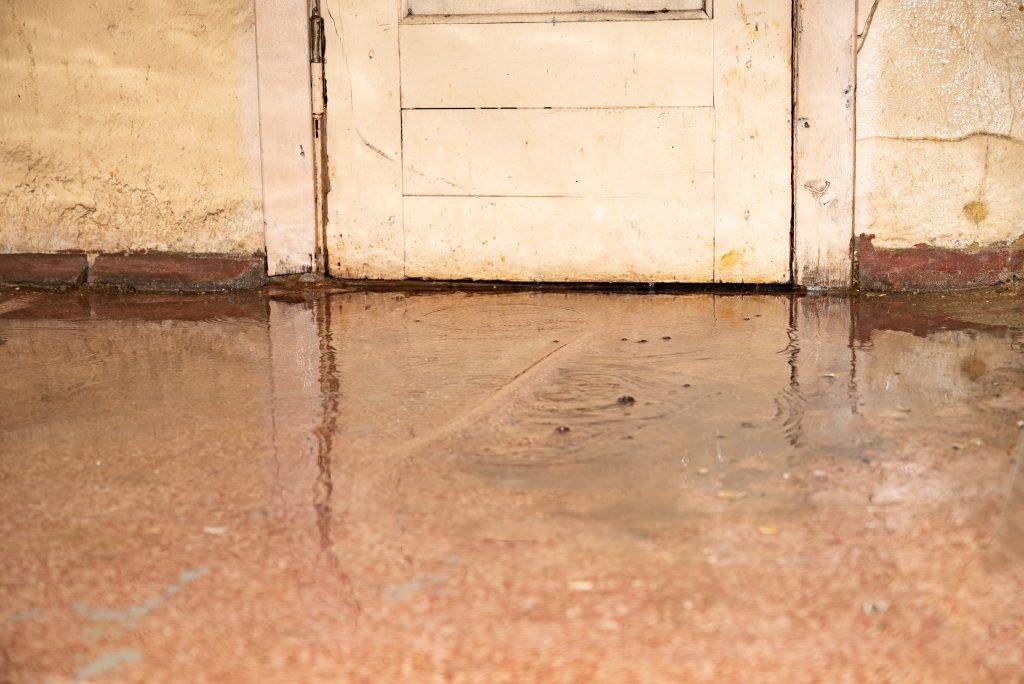
Basement flooding is stressful on every level. You’re dealing with damage to your home, your belongings, and your sense of security. On top of that, insurance policies can feel confusing, full of terms that don’t clearly explain what’s actually covered. That’s why understanding your rights, your policy, and your options matters—before you speak with your insurance company and before you file a basement flooding claim in PA.
This guide breaks everything down clearly and calmly, helping you understand when insurance may cover your loss, when it may not, and how a basement flooding public adjuster can protect you from costly mistakes. Whether your flooding was caused by a burst pipe, sump pump failure, sewage backup, or sudden stormwater intrusion, knowing how coverage works in Pennsylvania can make the difference between a denied claim and a fair settlement.
Does Insurance Cover Basement Flooding in PA?
Basement flooding can come from several sources, but insurance companies in Pennsylvania don’t treat every cause the same way. This is where many homeowners run into trouble: the type of water damage you experience determines whether your insurance company will approve or deny your basement flooding claim in PA.
What’s Usually Covered
Most standard homeowners insurance policies do cover sudden and accidental water damage. In Pennsylvania, this typically includes:
- A burst or frozen pipe
- A sudden plumbing failure
- An appliance malfunction (like a water heater or washing machine leak)
- HVAC system failures that cause unexpected water release
In these situations, the damage is unexpected and fast — which is exactly what insurance companies consider “covered peril.” However, even when the cause seems clear, insurers may still dispute the extent of damages or try to classify the incident differently. This is one reason homeowners often consult a basement flooding public adjuster to avoid mistakes during the claim process.
What’s Not Covered (But Often Assumed To Be)
This is where confusion hits hard. Most people assume all basement flooding is treated the same, but standard home insurance usually does not cover:
- Groundwater entering through walls or floors
- Rainwater entering through basement windows
- Stormwater from outside that seeps or floods in
- Overflowing rivers, creeks, or storm drains
- Long-term moisture, humidity, or mold
- Sump pump failure unless you have a specific water backup endorsement
This means that when homeowners ask does insurance cover basement flooding in PA, the real answer is: it depends on what caused the water to enter your home.
Add-On Coverages That Can Help
If you have additional riders or endorsements, your situation may look different. In Pennsylvania, these add-ons are common:
- Water Backup / Sump Pump Failure Add-On
Covers water that backs up through sewers, drains, or sump pump failures. - Flood Insurance (Separate Policy)
Required in FEMA flood zones, but optional elsewhere in PA. This covers outside water entering your home — the type most insurers automatically deny under a standard policy. - Service Line Coverage
Helps when underground water lines collapse or break, causing water damage.
Each policy is different, and PA insurers often use strict definitions. That’s why many homeowners bring in a basement flooding public adjuster to interpret the policy language and make sure the claim is filed correctly from the start.
Common Causes of Basement Flooding in Pennsylvania Homes
Basements in Pennsylvania face unique risks because of the region’s mix of older housing, clay-heavy soil, and weather patterns that shift quickly between heavy rain, snowmelt, and humidity. Understanding these causes helps clarify when does insurance cover basement flooding in PA — and when it doesn’t — before you ever file a claim.
1. Heavy Rain and Stormwater Intrusion
PA storms can produce intense rainfall in short bursts, overwhelming drainage systems and saturating soil around foundations. When the ground can’t absorb more water, it pushes against basement walls or seeps through cracks. Because this type of flooding often comes from outside, insurance companies typically classify it as flood-related — which is not covered without a separate flood insurance policy. This is one of the most common situations where homeowners seek a basement flooding public adjuster after getting hit with a fast denial.
2. Sump Pump Failure or Backup
Sump pumps are common in Pennsylvania homes, especially in counties like Bucks, Montgomery, and Delaware. When a sump pump fails during a storm or loses power, the basement can flood within minutes. Most standard policies won’t cover this type of loss unless you added a specific water backup endorsement. If you do have that add-on, a basement flooding claim in PA may be approved — but insurance companies often try to classify the failure differently to reduce payouts.
3. Burst Pipes and Plumbing Failures
Freezing winters in PA frequently lead to pipe bursts — and unlike outdoor flooding, this is usually a covered peril. If a supply line breaks or a fixture fails, the resulting damage is typically eligible for coverage as long as you maintained heat in the home. But even with a clear cause, insurers may still dispute the scope of damage, which is why many homeowners consult a basement flooding public adjuster before starting repairs.
4. Sewer or Drain Backups
Municipal systems can become overloaded during storms, causing wastewater or dirty water to back up into basements. Without a water backup rider, these losses are usually denied under a standard homeowners policy. With the rider, however, they are typically eligible — but limits vary widely, often capped at $5,000–$10,000, which is rarely enough for full restoration.
5. Foundation Cracks and Long-Term Seepage
Older Pennsylvania homes — especially stone foundations — often develop cracks over time. Water that slowly enters through these cracks is classified as maintenance-related, not sudden or accidental. Insurance companies almost always deny these claims. Still, if fast-moving stormwater interacts with existing vulnerabilities, parts of the loss may still qualify for coverage depending on the policy wording, which is another scenario where a basement flooding public adjuster can help interpret gray areas.
How a Public Adjuster Helps You Navigate a Basement Flooding Claim in PA
When homeowners search does insurance cover basement flooding in PA, they’re usually already overwhelmed — dealing with damage, reading confusing policy wording, and trying to make fast decisions. What most don’t realize is that insurance claims become harder the longer you wait to get professional help. This is where hiring a basement flooding public adjuster can protect not just your home, but your financial outcome.
Public adjusters represent you, not the insurance company. Their only job is to make sure your basement flooding claim in PA is properly documented, fairly evaluated, and settled for the full amount you’re entitled to under your policy.
Below is how a public adjuster fits into — and improves — the entire claims process.
1. They Identify the Actual Cause of the Water Damage
Insurance companies often deny claims by reclassifying the cause of the loss.
For example:
- A burst pipe might get labeled as “long-term corrosion.”
- A sump pump failure might be described as “lack of maintenance.”
A basement flooding public adjuster investigates the source immediately and documents it correctly so your claim isn’t miscategorized.
2. They Read and Interpret Your Policy Accurately
Pennsylvania homeowners are often surprised by how many exclusions, limitations, and endorsements are buried in their policy. Public adjusters:
- Identify the exact coverage that applies
- Flag hidden clauses insurers may use against you
- Confirm limits and deductibles
- Determine whether add-ons (like water backup coverage) help your claim
This protects you from unintentional mistakes when asking does insurance cover basement flooding in PA.
3. They Handle All Communication With the Insurance Company
Once you file a claim, everything you say is documented — and sometimes used to reduce or deny payment.
A public adjuster steps in to:
- Report the loss correctly
- Submit all required documentation
- Manage calls, emails, and inspection conversations
- Prevent misinterpretation or miscommunication
This gives you breathing room during an already stressful time.
4. They Create a Complete Damage Assessment
Most homeowners don’t realize how much damage water causes behind walls, under flooring, and inside mechanical systems. Public adjusters:
- Use moisture mapping
- Document structural, electrical, and HVAC impacts
- Identify mold risk
- Calculate repair and replacement costs accurately
This ensures your basement flooding claim in PA reflects the true scope of damage — not the minimized version insurance adjusters often present.
5. They Negotiate the Settlement on Your Behalf
This is where hiring a public adjuster delivers the most impact.
They negotiate for:
- Full structural repairs
- Proper material replacements
- Content losses
- Mold remediation where applicable
- Additional living expenses (if you need to relocate temporarily)
Homeowners rarely get full compensation on their own. Public adjusters level the playing field.
6. They Help You Avoid Claim Denials and Underpayments
Many denials in Pennsylvania happen because:
- The claim was described incorrectly
- The damage wasn’t documented fully
- Repairs started too soon
- The insurer categorized water incorrectly
A basement flooding public adjuster prevents these issues before they happen.
Signs Your Basement Flooding Should Be Covered — And When to Get Help Immediately
One of the biggest challenges for Pennsylvania homeowners is knowing whether a loss is likely to be covered before filing a claim. Misreading the situation can lead to denials, delays, or costly mistakes. Understanding the early signs can help you determine if your situation fits the scenarios where does insurance cover basement flooding in PA — and when to involve a public adjuster right away.
1. The Damage Happened Suddenly
If the water appeared quickly — not slowly over time — this is one of the strongest indicators of a potentially covered claim. Examples include:
- A sudden burst pipe
- A water heater that ruptured unexpectedly
- A washing machine hose that snapped
- An interior drain that overflowed without warning
Sudden damage is the type insurers are most likely to cover, and a basement flooding public adjuster can help confirm the cause and document it properly before an inspection.
2. The Water Came From Inside Your Home
Water that originates from within your plumbing system or appliances is typically treated differently than water entering from the outside in Pennsylvania. Common covered sources include:
- Plumbing failures
- HVAC system leaks
- Appliance malfunctions
- Cracked fittings or supply lines
If the water source is inside the home, a basement flooding claim in PA has a higher likelihood of approval.
3. You Have Water Backup or Sump Pump Coverage
Many homeowners in PA add endorsements such as:
- Water backup coverage
- Sump pump discharge failure coverage
If you have either of these, your claim may be eligible even if the water entered through drains or sump pump systems. A public adjuster can review your policy for these add-ons and help determine how much coverage is available, as limits can vary widely.
4. You Don’t See Long-Term Damage
If the walls have clear signs of long-term moisture — peeling paint, mold growth, discoloration — insurers may try to classify the loss as maintenance-related. But early flooding often looks different:
- Walls are still intact
- Flooring is recently damaged
- There’s no long-standing odor
- Materials haven’t warped over time
A basement flooding public adjuster can distinguish between sudden flooding and pre-existing issues, which is critical for claim approval.
5. You’re Unsure How to Describe What Happened
This is a sign to bring in help immediately. When homeowners aren’t sure how to explain the flood, insurers may steer the narrative toward non-covered causes. A public adjuster protects you by using clear, accurate, policy-aligned terminology from the start.
Protecting Your Home, Your Finances, and Your Peace of Mind
Basement flooding is one of the most stressful situations a Pennsylvania homeowner can face. Beyond the damage, the noise of equipment, and the disruption to daily life, you’re forced to make fast decisions while trying to interpret confusing insurance language. And because coverage depends heavily on the cause of the loss, many people searching does insurance cover basement flooding in PA end up feeling unsure and overwhelmed.
The truth is simple: you don’t have to go through the claims process alone — and you shouldn’t. Insurance companies handle thousands of water damage claims every year, and they know exactly how to classify a loss to limit payouts. A public adjuster levels that playing field. They protect your rights, document the true scope of damage, and advocate for the full settlement you deserve under your policy.
Whether your basement flooding was caused by a burst pipe, a sump pump failure, an appliance malfunction, or something less clear, having someone on your side from the very beginning can make all the difference. And in Pennsylvania — where storms, aging infrastructure, and varied home foundations create unique risks — professional guidance is more important than ever.
If you’re facing water in your basement right now, your next step should be getting answers from someone who works for you, not the insurance company.
Contact Alliance Adjustment Group
If you need help with a basement flooding claim in PA, or you want a professional review of your policy and damage, our licensed public adjusters are here to support you from the very first call.
Alliance Adjustment Group
435 N Main St. Doylestown, PA 18901
Phone: (267) 880-3000
Toll-Free: 888-890-2288
Disclaimer:
The information provided on this website is for general informational purposes only and does not constitute legal advice. While we strive to provide accurate and up-to-date information, insurance policies and regulations can vary. It is important to consult with your specific insurance provider or a qualified professional for advice tailored to your individual circumstances.