
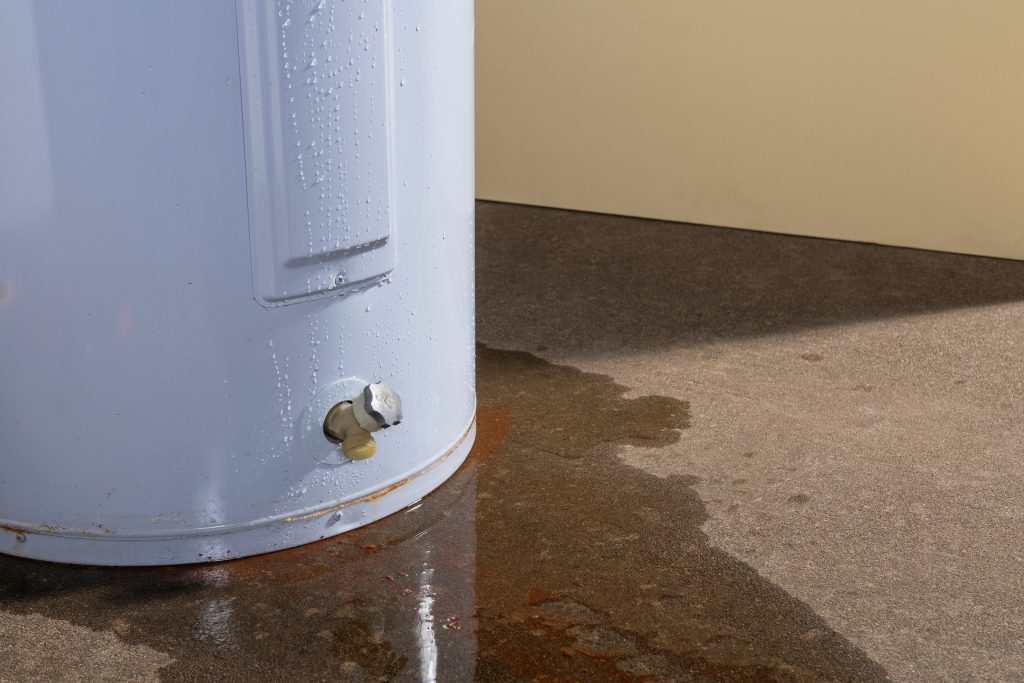
A water heater leak can go from a minor nuisance to a serious problem fast. One morning everything is fine — and by afternoon, you’re dealing with soaked flooring, damaged drywall, and a growing list of questions. The biggest one most homeowners ask right away: does homeowners insurance cover water heater leak damage?
The honest answer is: sometimes. Coverage depends on how the leak happened, how quickly it was discovered, and how well the claim is documented from the very first step. Understanding where that line is drawn can make a significant difference in how your claim is handled.
Does Homeowners Insurance Cover Water Heater Leak Damage?
The short answer is that homeowners insurance can cover water heater leak damage — but coverage is not automatic. Most standard homeowners policies are built around one key principle: sudden and accidental damage. If your water heater unexpectedly fails and causes damage to your floors, walls, or personal belongings, your policy will likely step in to help cover the cost of repairs to those affected areas.
What insurance typically will not cover is the water heater itself. Repairing or replacing the unit is generally considered a maintenance responsibility, not an insurable loss. The focus of your claim is the damage the leak caused to your home — not the appliance that caused it.
That distinction matters, and so does the story behind the leak. Insurance companies look closely at the cause when evaluating a water heater leak insurance claim. Two homes with identical damage can receive very different outcomes depending on whether the leak was sudden or had been developing quietly for weeks.
When Your Insurance WILL Cover the Damage
Coverage is most likely when the damage was unexpected and could not reasonably have been prevented. If your water heater suddenly burst or failed without warning — and the resulting water damage to your home was immediate — that is the kind of event a standard homeowners policy is designed to address.
Common scenarios that tend to support coverage include:
- A water heater that ruptures suddenly due to excess pressure
- An internal component that fails without prior warning signs
- A pipe connection to the unit that breaks unexpectedly
In these situations, your policy’s dwelling coverage typically applies to structural damage like flooring and drywall, while personal property coverage may help with belongings that were damaged in the affected area.
When Your Insurance WON’T Cover the Damage
This is where many homeowners run into difficulty — and where having the right guidance early makes a real difference.
Gradual or slow leaks are one of the most common reasons water heater claims are denied. If water has been seeping from your unit for days, weeks, or even months, insurers will often argue the damage was not sudden or accidental. Visible water stains, warped flooring, or mold growth can all signal to an adjuster that the problem existed long before it was reported.
Wear and tear on an older unit is another frequent exclusion. Insurance is not designed to cover the natural aging of appliances. If your water heater is well past its expected lifespan and breaks down as a result of age-related deterioration, the claim is unlikely to be covered — even if the resulting water damage was significant.
Lack of maintenance works against policyholders in a similar way. Most homeowners policies include a maintenance obligation — meaning you are expected to keep your appliances in reasonable working condition. Failing to address known issues, skipping routine upkeep, or ignoring warning signs like rust or unusual noises can give an insurer grounds to deny a water heater leak insurance claim.
Pre-existing conditions the homeowner ignored are treated much the same way. If there is evidence that a leak or corrosion was visible and went unaddressed, the insurance company may determine that the damage was foreseeable — and therefore not covered under a sudden and accidental standard.
What To Do Immediately After a Water Heater Leak
Discovering a water heater leak is stressful — but what you do in the first few hours matters more than most homeowners realize. The steps you take right after the damage occurs can directly affect how your claim is evaluated. Here is exactly what our team at Alliance Adjustment Group recommends:
1. Shut Off The Water Supply
Find the cold water supply valve connected to your water heater and turn it off immediately. If the leak is severe or you cannot locate the valve, shut off the main water supply to your home. Stopping the flow of water limits additional damage and shows your insurer you acted responsibly as soon as you discovered the problem.
2. Document Everything Before You Touch Anything
Walk through the affected area and organize photos for an insurance claim and video of all visible damage — the water heater itself, the surrounding floor, walls, baseboards, and any personal belongings that were impacted. Be thorough. Capture close-ups and wide shots. This visual record is one of the most important pieces of evidence in a public adjuster water damage review and in your claim overall.
3. Call Alliance Adjustment Group Before You Call Your Insurer
This is the step most homeowners skip — and it is often the most consequential one. Your insurance company will assign their own adjuster to evaluate the damage. That adjuster works for the insurer. Our team works for you. Reaching out to a public adjuster water damage specialist before you file gives you a clear picture of your coverage, helps you avoid costly missteps in how the claim is reported, and ensures nothing is overlooked from the start. Call us at (267) 880-3000.
4. Do Not Start Repairs Yet
It is natural to want to clean up and get your home back to normal as quickly as possible. However, beginning repairs before your claim has been properly documented can seriously complicate the process. Preserve the damage as it is until an adjuster has had the opportunity to assess it. If there is an immediate safety concern — such as electrical hazards or structural instability — address that specific issue and document what you did and why.
5. Notify Your Insurance Company
Once you have documented the damage and spoken with our team, contact your insurance company to report the loss. In Pennsylvania, under 40 P.S. § 1171.5, insurers are required to acknowledge a claim within 15 days and issue a coverage decision within 30 days of receiving all documentation. In New Jersey, N.J.A.C. 11:2-17 requires acknowledgment within 10 working days and a coverage decision within 30 days. Knowing these timelines helps you hold your insurer accountable throughout the process.
How a Public Adjuster Helps With Water Heater Leak Claims
When water damage affects your home, the claims process can feel overwhelming — especially when you are also trying to manage repairs, displacement, and the stress of daily life. This is where having a licensed public adjuster on your side makes a practical difference.
At Alliance Adjustment Group, we represent the policyholder — not the insurance company. Here is specifically how our team supports homeowners through a water heater leak insurance claim:
- We read your policy so you don’t have to. Insurance policies are dense, technical documents filled with conditions, exclusions, and endorsements that are easy to misread or overlook. Our team reviews your specific policy line by line to identify every coverage that applies to your situation — including coverage areas that homeowners commonly miss on their own.
- We document the full scope of damage on your behalf. A thorough damage assessment goes well beyond what is immediately visible. Water migrates — it travels under flooring, behind walls, and into structural cavities. Our team conducts a detailed inspection to ensure that all affected areas are identified, measured, and properly recorded before anything is repaired or replaced.
- We prepare and present your claim with precision. How a claim is written and submitted matters. Vague or incomplete documentation gives insurers room to reduce or deny coverage. Our team prepares a well-supported, detailed claim that clearly connects the damage to the covered event and addresses the policy language directly.
- We communicate with your insurance company on your behalf. Once we are involved, you no longer have to navigate adjuster calls, written correspondence, or coverage disputes on your own. We manage that communication professionally, making sure your claim is treated seriously and that deadlines under Pennsylvania and New Jersey law are respected.
- We advocate for a thorough and fair assessment of your loss. The insurer’s adjuster assesses the claim on behalf of the insurance company. Our role is to make sure your interests as a policyholder are fully represented throughout that process — from the initial inspection through the final coverage determination.
Frequently Asked Questions
Will Homeowners Insurance Cover Mold From A Water Heater Leak?
It depends on the circumstances. If mold developed as a direct result of a sudden and accidental water heater leak that was promptly reported and addressed, some homeowners policies will include mold remediation as part of the covered loss. However, if the mold grew over time because a slow leak went undetected or unaddressed, coverage is far less likely. Mold resulting from long-term moisture is generally treated the same way as gradual water damage — and is excluded under most standard policies. If mold is part of your loss, make sure it is documented and included in your claim from the beginning.
What If My Homeowners Insurance Claim For Water Damage Is Denied?
A denial is not necessarily the end of the road. Insurance companies are required to provide a written explanation for any denial, and policyholders have the right to dispute that decision. Our team at Alliance Adjustment Group can review the denial, assess whether the insurer’s reasoning holds up against your actual policy language, and help you determine the most appropriate next step. What you should not do is accept a denial as final without having it reviewed by someone who understands the claims process.
Does It Matter How Old My Water Heater Is?
Yes — and it can matter quite a bit. The age of your water heater is one of the first things an insurance adjuster will consider when evaluating a water heater leak insurance claim. Most water heaters have an expected lifespan of 8 to 12 years. If your unit is significantly past that range, the insurer may argue that the failure was the result of normal wear and tear rather than a sudden and accidental event. That said, age alone does not automatically disqualify a claim. How the unit was maintained, what caused the failure, and what the damage looks like all factor into the evaluation. This is one of the reasons having a public adjuster water damage review early in the process is so valuable — it ensures the full picture is presented, not just the parts that are easy for an insurer to point to.
Should I Call A Public Adjuster Or My Insurance Company First?
We recommend calling a public adjuster first. Once you contact your insurance company, the claims process officially begins — and the way that first conversation goes can shape how your entire claim is framed. Speaking with our team at Alliance Adjustment Group before that call means you will have a clear understanding of your coverage, know what to say and what to avoid, and have a professional in your corner from the very first step. There is no obligation to hire us after that conversation — but most homeowners find that having guidance before they engage their insurer gives them significantly more confidence throughout the process.
Don’t Face Your Insurance Company Alone
A water heater leak can happen without warning, and the claims process that follows is rarely as straightforward as homeowners expect. Coverage depends on how the damage happened, how it was documented, and how the claim was presented — and the difference between a well-handled claim and a poorly handled one often comes down to what happened in the first few hours after the damage was discovered.
If you are dealing with water heater leak damage and trying to understand whether your homeowners policy covers it, our team at Alliance Adjustment Group is here to help. Visit us at 435 N Main St, Doylestown, PA 18901. We work with homeowners across Pennsylvania, New Jersey, New York, Delaware, Georgia, South Carolina, and Florida — and we are available 24 hours a day, 7 days a week, because damage does not keep business hours.
There is no obligation in reaching out. We are happy to talk through your situation, review what happened, and help you understand your options before you take the next step with your insurer.
Call us at (267) 880-3000 or visit our contact page.
Disclaimer: The information provided in this article is for general informational purposes only and does not constitute legal or insurance advice. Insurance policies, regulations, and claim procedures vary by carrier, policy terms, and state. Laws referenced are current as of the date of publication but are subject to change. For guidance specific to your situation, consult with a licensed public adjuster, insurance professional, or attorney.