
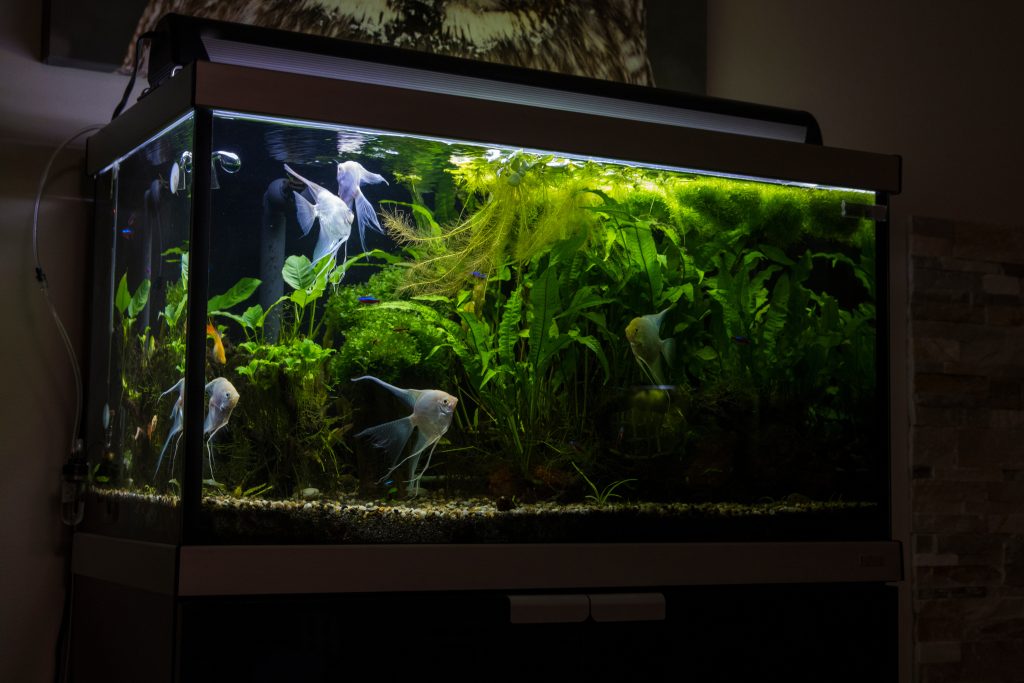
A saltwater fish tank is one of the most striking features a home can have — but when a seal fails, a seam cracks, or a filter line gives out, hundreds of gallons of water can spread across your floors in minutes. So, does homeowners insurance cover saltwater fish tank leaks? It depends on how the leak happened. In this article, we explore about fish tank leak claims and how to handle them.
At Alliance Adjustment Group, we work with policyholders across Pennsylvania, New Jersey, and beyond who face exactly this situation. Some are relieved to find their policy responds. Others are surprised when coverage is denied — often because of how and when the leak happened. Understanding the difference before you file can make a significant impact on how your claim is handled.
What Homeowners Insurance Actually Covers
Homeowners insurance is designed to protect you from sudden, unexpected events — not from damage that builds up over time. This distinction is at the heart of almost every water damage claim, including fish tank leaks.
The core principle insurers use is called the “sudden and accidental” rule. If water damage happens quickly and without warning — a tank seam bursts, a filter line snaps, a glass panel cracks — your policy is generally positioned to respond. The damage was unexpected, immediate, and outside your control.
On the other hand, if water has been slowly seeping from a loose connection or a worn seal over days or weeks, most policies will treat that as a maintenance issue rather than a covered loss. The reasoning insurers use is that the damage could have been detected and stopped with routine attention.
This single rule — sudden and accidental versus gradual and ongoing — determines whether your fish tank claim moves forward or gets denied before it even gets reviewed. Knowing where your situation falls is the first step.
Does Homeowners Insurance Cover Saltwater Fish Tank Leaks?
The honest answer is: it depends on how the leak happened. Your policy language — and the circumstances of the damage — will determine whether your fish tank claim is covered or denied. Here’s how the two most common scenarios typically play out.
When It Is Likely Covered: The Tank Bursts Suddenly
If your saltwater fish tank fails without warning — a seam gives out, the glass cracks, or a plumbing line connected to the system suddenly ruptures — that event generally meets the “sudden and accidental” standard most homeowners policies require. The resulting water damage to your floors, walls, subfloor, and surrounding structure would typically fall within your dwelling coverage.
This is the scenario where filing a fish tank claim makes the most sense. The damage is real, it happened fast, and your policy was designed for exactly this kind of unexpected loss. That said, how you document and report the claim matters — which we’ll cover shortly.
When It Is Likely Denied: A Slow Drip Over Days or Weeks
Slow salt fish tank leaks are where most claims run into trouble. If water has been seeping from a cracked hose, a deteriorating seal, or an overflowing sump over an extended period, insurers will typically classify that as gradual damage — and gradual damage is almost universally excluded from standard homeowners policies.
The insurer’s adjuster will look for signs of long-term moisture exposure: warped baseboards, stained drywall, mold growth behind cabinetry. If those signs are present, the claim is likely to be denied or significantly reduced, regardless of how large the final damage turns out to be.
What Does a Fish Tank Claim Typically Cover?
When a saltwater fish tank leak does qualify as a covered loss, it’s important to understand exactly what your homeowners policy will — and won’t — pay for. Many homeowners are caught off guard by what falls outside their coverage, so knowing this upfront helps you set realistic expectations before filing.
What is typically covered:
- Floors, walls, and ceilings — Structural damage to your home caused by the water, including if there is subfloor damage and the need for replacement, drywall repair, and ceiling damage to rooms below the tank
- A neighbor’s unit below yours — If you live in a condo or multi-unit building and water travels downward, your liability coverage may respond to damage caused to your neighbor’s property
What is typically not covered:
- The tank itself — The aquarium, equipment, filtration system, and stand are generally considered personal property that caused the loss — not property damaged by a covered peril
- The fish and coral — Live animals and livestock are excluded under virtually every standard homeowners policy, regardless of their value. This includes even the most expensive reef tank inhabitants
Understanding these boundaries is especially important for saltwater tank owners, whose setups can represent significant investments beyond just the structure of the tank itself.
What to Do Immediately After a Fish Tank Leak
How you respond in the first hours after a fish tank leak can directly affect how your claim is handled. Taking the right steps — in the right order — helps protect both your home and your position as a policyholder.
Stop the Water Source First
Before anything else, stop the flow. Unplug the filtration system, turn off any water lines connected to the tank, and if the leak is severe, locate your home’s main water shutoff. The faster the water stops moving, the less structural damage spreads to floors, walls, and the rooms below.
Document Everything Before You Clean Up
This step is critical and often skipped in the panic of the moment. Before you grab a mop or call a restoration company, take photos and video of everything — the tank, the point of failure, standing water, affected flooring, baseboards, walls, and any furniture or belongings in the area. Date and timestamp your documentation if possible. This visual record becomes the foundation of your fish tank claim.
Move Belongings Out of the Affected Area
Carefully remove furniture, rugs, electronics, and any other personal property from the water-damaged area. This limits further loss and makes it easier to assess the full scope of structural damage. Keep a written list of everything moved or damaged — you may need it later.
Begin Basic Drying Immediately
Open windows, run fans, and if you have a dehumidifier, deploy it right away. You are not required to wait before starting basic mitigation — in fact, most policies expect policyholders to take reasonable steps to prevent further damage. Just make sure the area is fully documented before you start.
Do Not Dispose of Damaged Materials Yet
Resist the urge to tear out wet flooring or drywall before a professional has assessed the damage. Insurers and adjusters need to see the affected materials in place to properly evaluate the scope of the loss. Removing evidence prematurely can complicate your claim.
Then, before you call your insurance company, speak with a professional — a licensed public adjuster who can help you understand your policy and represent your interests from the very first conversation.
Why You Need a Public Adjuster for This Type of Claim
Water damage claims — including fish tank leaks — are among the most contested and technically complex claims a homeowner can file. The damage isn’t always visible on the surface, policy language around water is notoriously specific, and the difference between a covered loss and a denied one can come down to a single phrase in your declarations page. Here’s why having a licensed public adjuster on your side matters.
Water Claims Are More Complex Than They Appear
What looks like a straightforward fish tank leak on the surface often involves hidden moisture behind walls, compromised subfloor systems, and potential mold exposure that isn’t immediately visible. At Alliance Adjustment Group, our team is trained to identify the full scope of water damage — not just what’s visible on day one. Insurers evaluate what they can document. We make sure everything that should be documented actually is.
Your Insurer’s Adjuster Works for the Insurance Company — Not for You
This is a distinction that matters. When you file a fish tank claim, the insurance company sends their own adjuster to assess the damage. That adjuster’s job is to evaluate the loss on behalf of the insurer. Our job at Alliance Adjustment Group is the opposite — we represent you, the policyholder, and we review your policy to make sure every covered element of your claim is properly identified and submitted.
Policy Language Around Water Damage Is Notoriously Specific
Salt fish tank leaks sit in a gray area that not every homeowner — or every adjuster — interprets the same way. Terms like “sudden,” “accidental,” “seepage,” and “continuous leakage” carry specific legal weight in a homeowners policy. Our licensed adjusters know how to read that language carefully and build a claim that accurately reflects what your policy actually covers, without leaving legitimate damage on the table.
We Handle the Process So You Don’t Have To
Filing a water damage claim while managing home repairs, temporary displacement, and the stress of a major loss is overwhelming. At Alliance Adjustment Group, we manage the documentation, the communications with your insurer, and the negotiation process from start to finish. You focus on getting your home back to normal — we handle the claim.
Frequently Asked Questions About Fish Tank Leak Claims
Is a saltwater fish tank leak treated differently than a freshwater tank leak by insurers?
Not significantly. What matters to your insurer is how the leak happened — suddenly or gradually — not what type of water was in the tank. That said, saltwater tank setups tend to be more complex, with more plumbing connections, sumps, and equipment that can fail. That complexity can make it harder to pinpoint the exact cause and timeline of the leak, which is why thorough documentation from the moment you discover the damage is especially important for salt fish tank leaks.
Will my homeowners insurance cover damage to my neighbor’s unit if my fish tank leaked through the floor?
It may. If water from your tank traveled through the floor and damaged a unit below yours — common in condos and multi-story homes — your policy’s liability coverage could respond to that loss. However, the specifics depend on your policy limits, your building’s master policy, and how the claim is structured. This is exactly the kind of situation where a licensed public adjuster can help you navigate which policy responds and how to coordinate the claim properly.
What if my insurance company says my fish tank leak is considered gradual damage and denies my claim?
A denial is not always the final word. If you believe your tank failed suddenly and the denial was based on an incorrect assessment of the timeline or cause, you have the right to dispute it. Under Pennsylvania law, specifically 40 P.S. § 1171.5, your insurer is required to provide a written explanation for any denial. In New Jersey, N.J.A.C. 11:2-17 outlines similar policyholder protections. At Alliance Adjustment Group, we can review your denial, assess whether it was applied correctly, and help you understand your options.
Do I need to hire a public adjuster before or after I contact my insurance company?
Ideally, before. The moment you contact your insurance company, your claim officially begins — and what you say in that first conversation can shape how the claim is evaluated. Having a licensed public adjuster involved from the start means your fish tank claim is framed accurately and completely from day one, rather than having to correct or supplement information after the fact. That said, if you’ve already filed, it’s not too late — we can step in at any stage of the process.
Did Your Saltwater Tank Leak? We Can Help With Your Claim
A saltwater fish tank leak can cause thousands of dollars in structural damage within hours — and navigating the claims process on top of that is a lot to handle alone. Whether you’re trying to understand your policy, respond to a denial, or simply want to make sure your claim is filed correctly from the start, our team is here to help.
At Alliance Adjustment Group, we have been working with homeowners across Pennsylvania, New Jersey, New York, Delaware, Georgia, South Carolina, and Florida through some of their most stressful moments. We know how water damage claims work, we know how policy language is applied, and we know what it takes to make sure your loss is fully and accurately represented.
If you’re dealing with fish tank water damage and want to understand your options, reach out to us before you call your insurer. There is no obligation — just a straightforward conversation with a licensed public adjuster who works for you, not the insurance company.
Call us at (267) 880-3000, visit us at 435 N Main St, Doylestown, PA 18901, or contact us through our contact page to get started today.
Disclaimer: The information provided in this article is for general informational purposes only and does not constitute legal or insurance advice. Insurance policies, regulations, and claim procedures vary by carrier, policy terms, and state. Laws referenced are current as of the date of publication but are subject to change. For guidance specific to your situation, consult with a licensed public adjuster, insurance professional, or attorney.