Do I Have a Claim?

We can help you maximize your claim on the most common propertY damage

Interpreting an insurance policy to see if you have a claim can be a complicated and stressful process. Our experts can quickly determine if you have a claim.

we can help!
do i have a claim

If you have property damage, you may have a covered loss

Examples of claims include:

● Water damage in your home, even if you don’t know where it came from. Common examples include water marks on your ceiling, walls or floors from toilet overflows, pipe breaks or leaks, malfunctioning appliances, or water coming into the house from the outside.

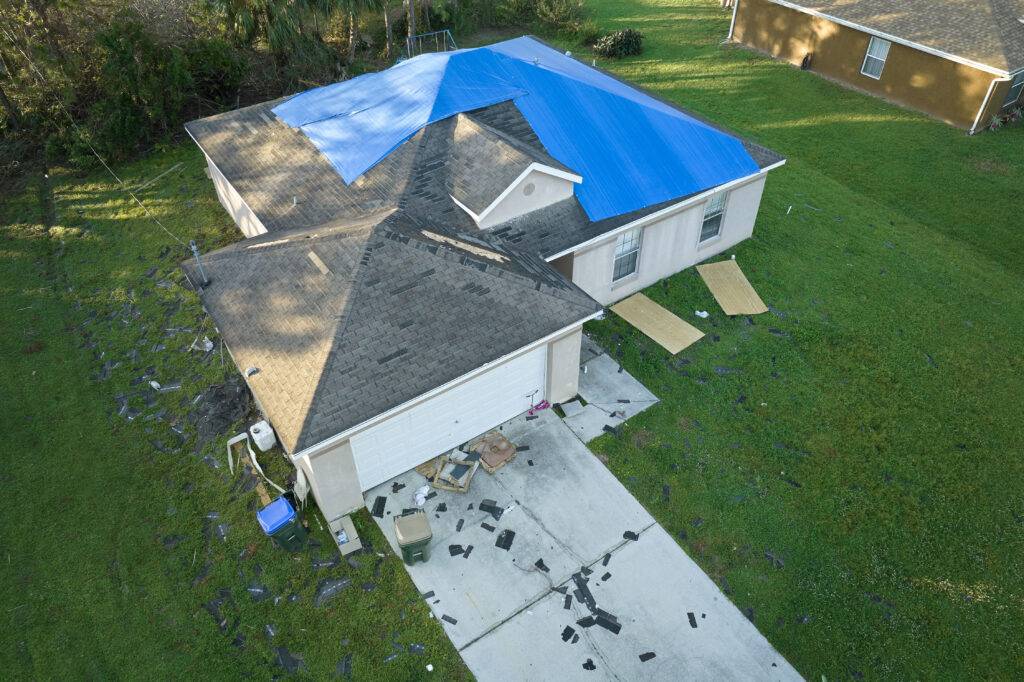
● Roofing, siding, or any other exterior damage such as missing shingles, siding damage from debris or a gas grill located too close to the house, damage from falling objects, the weight of ice or snow, damage from an aircraft or vehicle.

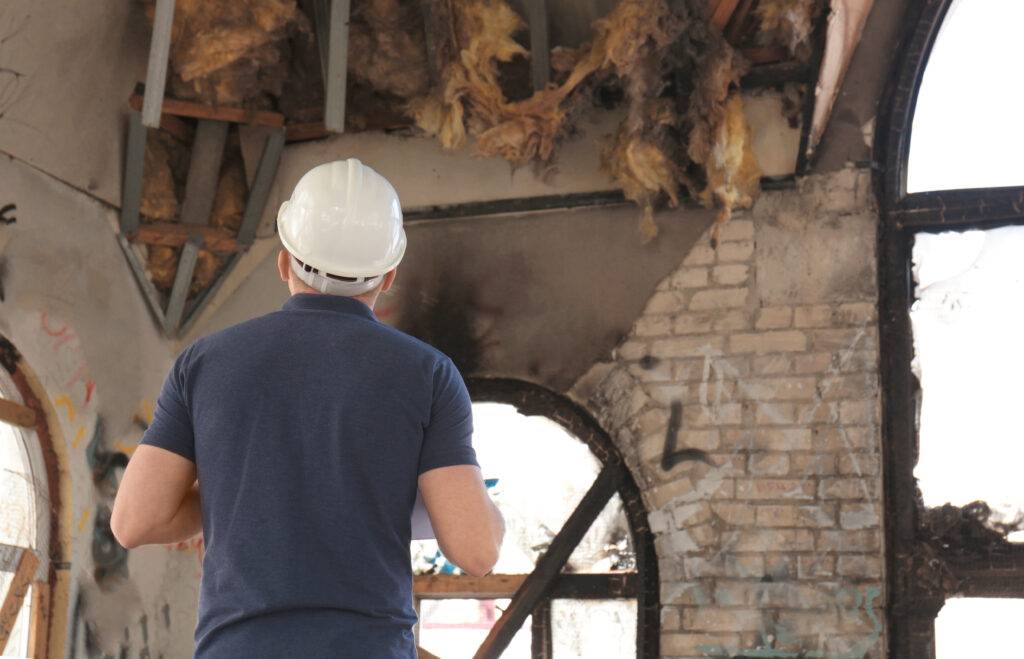
● Fire damage caused by a kitchen fire, or house fire, and the resulting smoke damage.

● Damage from explosions, lightning strikes, hail, tornadoes, and hurricanes. Yes, Acts of God are usually covered, unless specifically excluded in your policy!

When Should I Call a Public Adjuster?

Call us when you notice the damage, before you make any other calls. Why? Because if you contact your insurance company first, you have probably already reduced your claim. Chances are that when you call, you are emotional, having just discovered damage to your home. You may say things that insurance company claims agents are trained to listen for, to deny your claim.

Why Should I call Alliance?

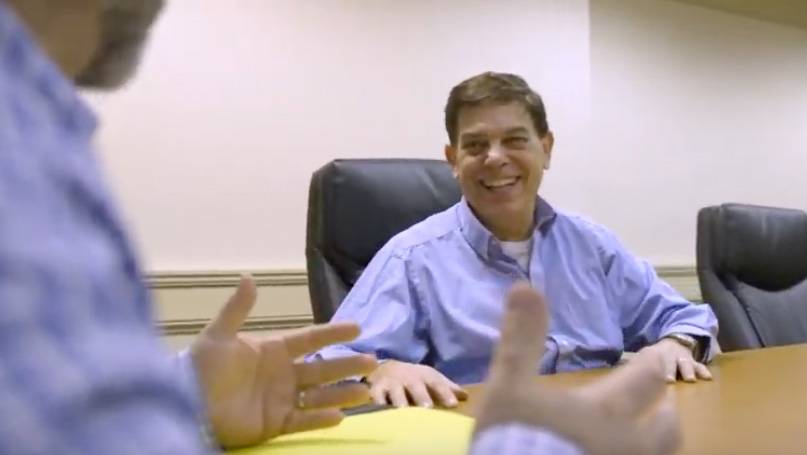
When you call Alliance first, you can tell us everything that happened, in your own words, without the fear of us trying to limit your claim. We will report your claim to the insurance company with objectivity. We write up the estimate for your damage to correspond with everything you are covered for under your policy. Then we present the claim to the adjuster with that same objectivity, to recover all of the proceeds to which you are entitled.

Even if you have already reported your claim, it may not be too late to get Alliance involved. We can take over your claim, even if the insurance company has already made an offer.

If you have damage to your home, call Alliance first.
Filing a claim is a very stressful time.

You need to ensure that you think through what date the event happened, exactly what happened, and account for all of the damage that occurred. Misunderstandings and improperly filed claims can lead to a reduced settlement. We are here to take the stress out of the claims process. That means we sit down with you and ensure that all the details are correct and all damage is accounted for before lodging your claim with your insurance company. You should always have an Alliance expert on your side when dealing with your insurance company.

Do I Have a Claim? FAQs

If your property has suffered unexpected damage—such as water stains on ceilings or walls, missing shingles, broken siding, collapsed gutters, fire or smoke damage, a lightning strike or hailstorm—you likely have a covered loss. Most homeowners policies cover sudden and accidental events like pipe bursts, appliance malfunctions, fallen trees, storms and explosions. “Acts of God” (wind, hail, lightning, tornadoes) are usually covered unless specifically excluded. Each policy is unique, so the only way to be sure is to review your coverage or consult a claims professional.
Report the loss as soon as you discover it. Insurance policies require prompt notice of loss, and delays give carriers a reason to deny coverage. Even if you’re not sure how serious the damage is, opening a claim preserves your rights and allows the insurer to inspect the damage in its original condition. You can always decide not to pursue the claim later, but you can’t rewind the clock after waiting too long.
Document everything: photograph or video the damage, write down the date and circumstances of the incident, and make a preliminary inventory of affected items. Take reasonable steps to prevent further damage (such as shutting off water, boarding up broken windows or tarping a roof). Keep receipts for any emergency repairs or temporary housing. If theft or vandalism is involved, file a police report. Then contact a public adjuster or your insurance company to discuss filing a claim.
A proof of loss is a sworn statement that describes what was damaged, how the loss occurred and the amount you’re claiming. Once your insurer requests it, submitting a complete proof of loss is a contractual requirement. Policies typically give 60 days (sometimes more for commercial policies) to submit the form; missing the deadline or providing incomplete documentation can lead to denial of an otherwise valid claim. A detailed inventory, photos, receipts and repair estimates are critical to a successful submission.
Extra expense coverage reimburses the additional costs you incur to keep operating after a covered loss—such as renting temporary office space, leasing equipment or paying overtime to employees. It is designed to minimize or avoid a lengthy shutdown. Some policies include extra expense coverage automatically; others require an endorsement.
Yes. You can hire a public adjuster at any point in the claims process, even after receiving an initial settlement offer. A qualified adjuster can re‑evaluate the damage, gather additional documentation and negotiate a supplemental or reopened claim if necessary. However, involving an adjuster early helps avoid missteps and ensures that all damage is documented from the start.
Pennsylvania law does not set a single deadline for filing; instead, your policy requires “prompt” or “immediate” notice. After you submit your claim, insurers must acknowledge it within 10 business days and accept or deny it within 15 days of receiving a properly executed proof of loss (extensions are allowed if reasons are provided). Most policies limit the time to bring a lawsuit to one year from the date of loss. Always check your policy for specific timeframes.
Late notice can be fatal. Insurers often deny claims if they were not notified promptly because they could not inspect the property in its damaged state or determine the cause. Even short delays allow conditions to change, repairs to begin or evidence to be lost, giving the carrier leverage to argue prejudice and deny coverage. Prompt reporting protects your rights.
It depends. If the cost of repairs is only slightly above your deductible, paying out of pocket may avoid potential premium increases. However, seemingly minor damage can mask more serious problems—such as hidden water leaks or structural issues—that will become evident later. Consulting a public adjuster or qualified contractor can help you decide whether to file. Reporting the damage preserves your right to coverage if additional damage is discovered.
Yes. You don’t have to know exactly what caused the damage to notify your insurer. In many cases—like unexplained water stains or cracks—an inspection by a professional or your insurer will determine the cause. Delaying until you figure it out yourself can jeopardize coverage; report the loss promptly and let experts investigate.

Contact a Public Adjuster Today!

Contact us today or visit our Doylestown office to get started.

Address: 435 N Main St, Doylestown, PA 18901. See driving directions.

Open 24 hours

Phone number: 267-880-3000

Email: claims@allianceadjustment.com